
What if the greatest obstacle to learning to swim at any age is simply mustering the courage to take that first step? This inspiring journey transforms water from a source of fear into a space of empowerment, safety, and joy. From beginners practicing basic skills like floating and breathing to more confident swimmers crossing lanes, this guide emphasizes patience, gradual progress, and mental strategies such as visualization and deep breathing. Supportive environments, encouragement from instructors and loved ones, and safety awareness are crucial for building trust and confidence. Each tiny victory reinforces resilience, proving that overcoming water fears is possible at any age. Beyond physical skills, this journey fosters self-esteem, safety, and personal growth—unlocking new adventures and life-changing confidence. So, are you ready to turn your water anxiety into a lifelong love of swimming and new horizons of freedom?
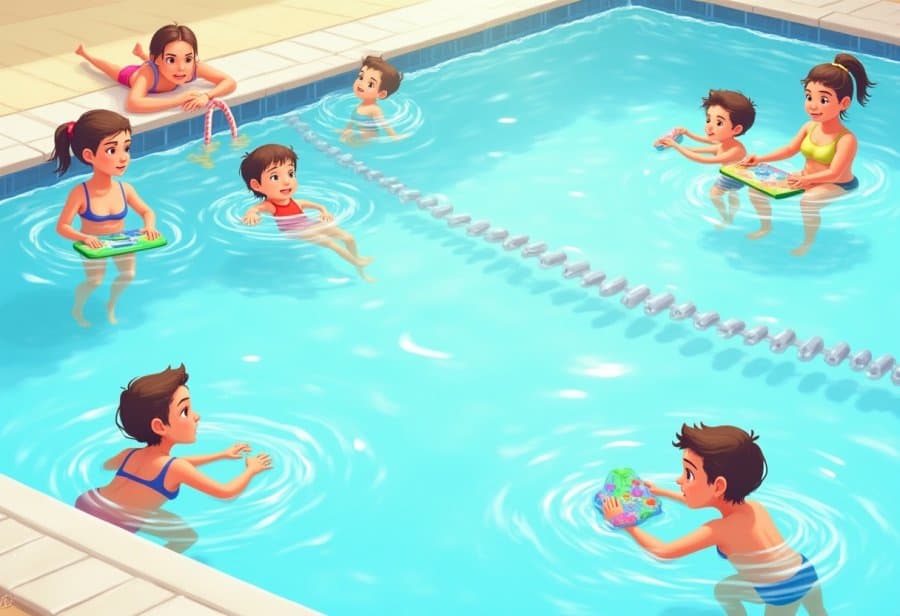
Transform Your Water Fears Into Lifelong Confidence at Any Age
Learning to swim isn’t just a childhood milestone; it’s a skill that can be developed at any age. For many adults, the idea of stepping into the water can stir up nerves or bring back old fears. But the truth is, it’s never too late to start. Taking that first step into a pool or lake might feel intimidating, especially if water anxiety has been part of your life for years. Yet, with patience and gentle guidance, those fears can be gradually replaced with confidence, opening up a world of safety, health, and enjoyment.
Building water confidence begins with small, manageable actions. Getting familiar with the environment—knowing where safety equipment is and understanding basic pool rules—creates a sense of trust and safety. Early skills like blowing bubbles, floating, and gentle kicking aren’t about perfect technique; they’re about feeling comfortable and trusting your body in the water. These foundational steps help reduce anxiety and make each new challenge feel more approachable, turning water from a source of fear into a space of empowerment.
Many adults carry fears rooted in past experiences—slipping, sinking, or choking—that can seem overwhelming. But these worries are often manageable when approached with patience and proper support. Techniques such as gentle exposure, mental reassurance, and the use of flotation tools support the learning process. Starting in shallow water, practicing deep breathing, and celebrating each small success help turn initial hesitation into trust. Over time, these small victories build a positive cycle that encourages further progress and deepens your connection with water.
Progress at your own pace is key. Every tiny achievement—whether it’s floating unaided or swimming a few strokes—reinforces your belief that learning to swim is within reach. Celebrating these milestones fosters resilience and keeps motivation high. Incorporating mental strategies like visualization and deep breathing further calms nerves, transforming water from a place of fear into one of opportunity. With consistent practice and a supportive environment, water confidence blossoms, making swimming a lifelong source of joy and safety.
Starting your water confidence journey today can lead to lasting benefits that extend beyond the pool. It’s about more than just learning to swim; it’s about discovering resilience, building safety, and opening yourself up to new experiences. Overcoming water fears at any age isn’t just possible—it’s empowering. With patience, persistence, and gentle encouragement, you can turn that initial leap into a lifelong love and a new sense of freedom in the water.
Building Your Foundation: Essential Principles for Safe Swimming
Learning to swim begins with understanding some basic principles that lay the groundwork for safe and effective water skills. The first step is becoming comfortable around water—familiarizing yourself with the environment, knowing where safety equipment is, and understanding pool rules. This initial familiarity helps reduce anxiety and builds trust, making the water feel less intimidating. Early actions like blowing bubbles, floating, and gentle kicking aren’t about perfect technique; they’re about feeling relaxed and trusting your body’s ability to move in water.
Building water confidence also relies on patience and a gentle approach. Starting with simple exercises such as holding onto the pool edge or practicing breath control creates a secure space for beginners. Using tools like kickboards or floatation devices provides extra support, making the water seem less threatening. As comfort increases, trying to float on your back or stomach helps develop balance and trust in your body’s buoyancy. These small, manageable steps are crucial—they help dismantle fears and prepare you for more advanced skills.
Progression should be gradual. Once basic comfort is established, combining arm movements with kicks or practicing exhaling underwater becomes the next goal. Every small success reinforces your confidence, encouraging you to tackle more challenging techniques. Consistent practice, even in small doses, makes progress tangible and keeps motivation high. Celebrating these tiny victories—like floating unaided or swimming a few strokes—fosters a sense of achievement and keeps anxiety at bay.
Mental strategies play a vital role in learning to swim. Techniques like deep breathing calm the nervous system, while visualization helps you imagine yourself swimming confidently. Staying present during practice prevents negative thoughts from taking over and transforms anxiety into focus. Breaking skills into small, achievable steps makes the learning process less overwhelming, helping you stay motivated and persistent. Support tools like floaties or kickboards offer reassurance, making new skills feel more accessible and less intimidating.
Safety remains a priority throughout this stage. Always stay in shallow water until you’re comfortable in deeper areas, and know how to use safety equipment like life rings. Never swim alone—having a buddy or instructor nearby provides reassurance and aid if needed. Following pool rules and avoiding risky behaviors, such as running on the deck, prevents accidents. When safety is at the forefront, you can focus on building your skills with confidence, ensuring a positive and secure learning environment.
Trusting the process and practicing patience are key. Progress may feel slow at times, but each small step forward builds resilience. Celebrate every milestone, no matter how minor, and recognize that mastery comes with time. With consistent effort and a positive mindset, water confidence can grow steadily, transforming initial fears into a lifelong love of swimming. This foundational phase sets the stage for ongoing growth, making every new skill a step toward freedom and enjoyment in the water.
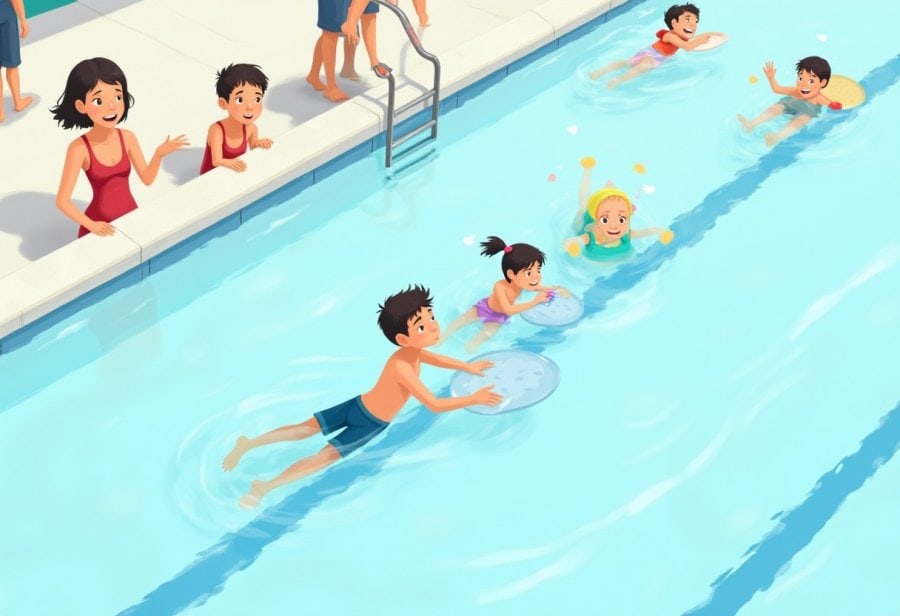
Practical Strategies to Accelerate Your Water Learning Journey
Creating a supportive environment is key to effective learning. When you have a patient instructor or encouraging friends nearby, it becomes easier to relax and stay motivated. Their reassurance and positive energy shift the focus from mistakes to progress, making each session more enjoyable. Feeling supported helps you take risks and push past fears, knowing help is available if needed.
Patience is essential, especially when progress feels slow. Celebrate every small victory—whether it’s floating unaided or completing a few strokes—to build confidence. Rushing or comparing yourself to others can undermine motivation. Instead, focus on your personal growth, trusting that consistent effort will lead to improvement over time.
Mental strategies are just as valuable as physical practice. Deep breathing calms nerves and helps you relax in the water. Visualization, like imagining yourself swimming confidently, boosts self-belief and reduces anxiety. Practicing mindfulness during lessons keeps your mind focused on the present, preventing negative thoughts from taking hold. These habits turn fear into focus, making each experience more positive and controlled.
Breaking skills into small, manageable steps makes learning feel less overwhelming. Starting with simple exercises, such as blowing bubbles or floating, builds a solid foundation. Each small success encourages you to move on to more challenging techniques, creating a sense of steady progress. Support tools like kickboards or floaties can provide reassurance, making new skills seem more achievable and less intimidating.
Working with an experienced instructor accelerates your development. They guide you on proper techniques from the beginning, helping you avoid developing bad habits. Their feedback and encouragement foster trust and confidence, especially when tackling tougher skills or lingering fears. Following a structured approach ensures your water confidence grows safely and steadily, making each step more effective.
Safety remains a top priority throughout your water confidence journey. Always stay in shallow water until you’re fully comfortable in deeper areas, and familiarize yourself with safety equipment like life rings. Never swim alone—having a buddy or instructor nearby provides reassurance and quick assistance if needed. Adhering to pool rules and avoiding risky behaviors, such as running on the deck, prevents accidents. When safety is built into your routine, you can focus on learning and enjoying the water with peace of mind.
Supporting Your Progress: Tools, Mindset, and Habits for Water Confidence
Supporting your water confidence journey means embracing practical tools, mindset shifts, and consistent habits that keep you moving forward. Regular practice in a safe, encouraging environment is vital for reinforcing your skills and gradually reducing any lingering anxiety. Setting small, achievable goals and celebrating each milestone helps build momentum and makes progress feel real. Positive self-talk, visualization, and deep breathing are powerful techniques to calm nerves before and during practice, shifting your focus from fear to confidence.
Creating a supportive atmosphere—whether through a patient instructor or encouraging friends—makes a big difference. When those around you believe in your potential, it becomes easier to push past doubts and stay motivated. Their reassurance turns mistakes into learning opportunities and helps you see setbacks as part of the process rather than failures. This positive environment fosters a sense of safety and trust, essential for deepening your water confidence.
Patience plays a crucial role in lasting progress. Recognizing that mastery takes time encourages persistence, especially during moments of frustration. Celebrating small wins—like floating unaided or completing a short swim—strengthens your belief that improvement is within reach. When you focus on incremental growth rather than perfection, each step feels more manageable and rewarding. Combining steady practice with a calm, patient mindset turns water confidence into a sustainable skill that grows naturally over time.
Mental strategies are just as important as physical effort. Deep breathing calms the nervous system, making it easier to relax in the water. Visualization helps reinforce positive expectations—seeing yourself swimming confidently can reduce anxiety and boost motivation. Mindfulness keeps you present, preventing negative thoughts from spiraling and making each practice session more effective. These habits transform fear into focus, creating a more positive and empowering experience that encourages ongoing development.
Finally, supporting your water confidence journey means staying committed to safety and self-awareness. Always stick to shallow water until you feel comfortable in deeper areas, and familiarize yourself with safety equipment and procedures. Never swim alone—having a buddy or instructor nearby provides reassurance and quick help if needed. Following pool rules and avoiding risky behaviors like running on the deck prevent accidents. When safety becomes a natural part of your routine, you gain the freedom to focus fully on learning and enjoying the water, making your journey both secure and truly fulfilling.
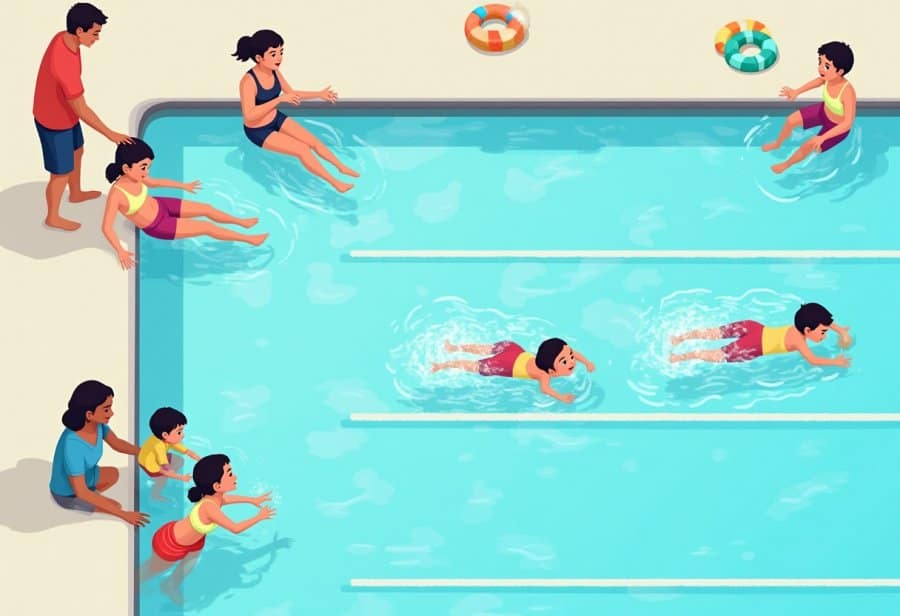
Reflections and Future Possibilities: Embracing Growth Beyond the Pool
Learning to swim extends beyond acquiring a new skill; it often sparks lasting changes that influence many aspects of life. Gaining water confidence can boost self-esteem and foster resilience, demonstrating that overcoming fears at any age is within reach. Each milestone—from floating unaided to swimming across the pool—serves as a reminder that persistence and patience lead to transformation. These small victories strengthen mental resilience, patience, and belief in your ability to face challenges, creating a foundation that extends well beyond the water.
The safety benefits of learning to swim are profound and far-reaching. Water confidence dramatically reduces the risk of accidents and equips you to handle unexpected situations more effectively. These skills can be lifesaving, especially in emergencies, giving you confidence to protect yourself and others. As comfort in the water deepens, so does your willingness to participate in water activities, encouraging healthier, more active lifestyles that support both physical and mental well-being.
More than just safety and fitness, the process of learning to swim becomes a powerful metaphor for personal growth. Conquering water fears—one of the most common hurdles—proves that perseverance and patience are key to transformation. Each time you push past hesitation, you reinforce your capacity to learn, adapt, and grow stronger. This mindset of valuing progress over perfection fosters resilience, which can be applied to many challenges beyond the pool.
Expanding your water skills opens doors to new experiences and communities. When more people are water confident, the risk of accidents diminishes, creating safer spaces for families and individuals alike. Community pools and recreational centers become more vibrant and inclusive, fostering social bonds through shared achievement. These collective benefits contribute to healthier communities and a greater sense of belonging, making water safety a shared priority.
The ongoing journey of water confidence isn’t just about mastering strokes; it’s about cultivating a mindset of continual growth. With each new skill learned, whether it’s a comfortable glide or a confident swim across the lane, you reinforce your ability to set goals and achieve them. This process nurtures a lifelong love of water, turning initial fears into a source of joy, empowerment, and adventure.
Reflecting on this progress highlights that setbacks are part of the learning curve. Patience and persistence turn moments of doubt into opportunities for growth. Celebrating every small victory helps maintain motivation and reminds you that mastery is a journey, not a destination. Each step forward builds confidence and resilience, making future challenges feel more approachable and manageable.
Looking ahead, the skills gained through your water confidence journey can serve as a foundation for many new pursuits. Whether it’s participating in water sports, volunteering for water safety initiatives, or simply enjoying family vacations without worry, your confidence opens a world of possibilities. This continual development fosters a sense of empowerment that influences many areas of life, reinforcing that every effort in the water is an investment in your overall well-being and resilience.
 lissyY
  yvieN
yvieN  ronT
ronT