
Probiotics promise a natural way to enhance digestive health and bolster immunity, but do they truly deliver consistent benefits? This exploration reveals that while beneficial bacteria found in foods like yogurt and supplements can restore gut balance, their effectiveness varies widely depending on strains, individual health, and quality. Are these tiny microbes a reliable solution, or do their limitations—such as mild side effects, variable responses, and regulatory concerns—diminish their potential? As research advances, innovative delivery methods and personalized approaches are emerging, hinting at a future where probiotics might be tailored to individual microbiomes for more precise health support. Yet, understanding when and how to use probiotics thoughtfully remains crucial—are they a miracle cure or a supportive tool in a balanced wellness routine? With ongoing scientific breakthroughs and cautious optimism, probiotics continue to challenge our perceptions of gut health and personal wellness.

Unlock the Secrets of Probiotics and Their Role in Digestive Wellness
Probiotics are live microorganisms that, when consumed in adequate amounts, provide health benefits—often called the “good bacteria.” These tiny microbes naturally reside in many fermented foods like yogurt, kefir, sauerkraut, and kimchi, and are also available as dietary supplements. Their main role is to support a balanced gut microbiome, which is essential for healthy digestion and overall wellness.
A healthy gut microbiome helps your body break down food more efficiently, absorb nutrients better, and reduce common discomforts like bloating, gas, and irregular bowel movements. When beneficial bacteria dominate, they crowd out harmful microbes, keeping your digestive system in check. This balance not only aids digestion but also plays a vital part in strengthening your immune defenses, since a large portion of immune cells are located in the gut lining.
Different probiotic strains, such as Lactobacillus and Bifidobacterium, target various aspects of gut health. Some help reduce diarrhea, while others support immune responses or ease inflammation. Choosing the right strain depends on your specific health goals. Thankfully, probiotics come in many forms—capsules, powders, and fermented foods—allowing you to select options that fit your preferences and lifestyle.
Incorporating probiotics into your diet can be straightforward. Eating probiotic-rich foods a few times a week, like yogurt or fermented vegetables, can help build a consistent habit. For those seeking targeted support, supplements offer a concentrated dose of beneficial bacteria, often with specified CFU counts to meet particular needs. Regardless of the method, regular intake helps maintain a thriving gut environment.
Understanding what probiotics are and how they work makes it easier to decide if they’re right for you. Although they are generally safe for most people, not all strains deliver the same benefits, and individual responses can vary. Recognizing these basics empowers you to make smarter choices about including probiotics in your routine and optimizing their potential for your health.
Discover How Probiotics Enhance Your Digestive Comfort and Immunity
Probiotics are well-known for their ability to support and enhance digestive health. By introducing beneficial bacteria into your gut, they help restore and maintain a delicate microbial balance that’s essential for smooth digestion. When this balance is in place, symptoms like bloating, gas, and irregularity tend to diminish, leading to a more comfortable and predictable digestive experience. These good bacteria act as natural allies, crowding out harmful microbes that can cause discomfort and disrupt your gut’s harmony.
One of the most noticeable benefits of probiotics is their role in promoting regular bowel movements. They help regulate the gut’s rhythm, reducing both constipation and diarrhea. Many people who incorporate probiotics notice fewer stomach upsets and a greater sense of overall comfort. This is especially true during times when the microbiome is disrupted, such as after antibiotic use, stressful periods, or dietary changes, when beneficial bacteria often decline and harmful microbes can overgrow.
Bloating and gas are common frustrations linked to imbalances in gut flora. Probiotics help alleviate these issues by restoring beneficial bacteria, which improves the efficiency of food breakdown and reduces fermentation in the gut. As a result, symptoms like bloating and excessive gas become less frequent, leaving you feeling lighter and more at ease after meals. For many, this leads to increased confidence in daily routines and a better quality of life.
Beyond digestion, probiotics also support your immune system. A significant portion of immune cells resides in the gut lining, meaning that a healthy microbiome is vital for immune resilience. Certain probiotic strains have been shown to boost immune responses, helping your body fend off infections more effectively. This dual role—improving digestive comfort and enhancing immune defenses—makes probiotics a versatile tool for overall health.
While the benefits are compelling, responses to probiotics can vary widely depending on the strains used and individual factors. Some people experience rapid improvements, while others notice more subtle effects. Choosing the right strains tailored to your specific health goals and maintaining consistent intake can make a significant difference. With thoughtful use, probiotics have the potential to support a healthier, more comfortable gut and contribute to your overall well-being.

Understanding the Limits and Safety Considerations of Probiotic Use
While probiotics are generally safe for most people, they do come with some limitations and potential side effects. Many individuals might notice mild symptoms like gas, bloating, or stomach discomfort when they first start taking them. These symptoms usually fade as your body adjusts, but if they persist or worsen, it’s wise to consult a healthcare professional before continuing use.
Not all probiotic strains are created equal, and their effects can vary widely from person to person. Some strains may be highly beneficial for specific issues, while others might offer little noticeable impact. Your unique gut environment, diet, and overall health influence how well a probiotic will work, which is why there’s no one-size-fits-all answer. This variability can make it tricky to predict which probiotic will deliver the results you’re hoping for.
People with weakened immune systems or underlying health conditions should approach probiotics with caution. Since they involve introducing live bacteria into the body, there’s a small but real risk of infection or complications in these groups. Although rare, cases of bloodstream infections linked to probiotic use have been reported, especially among immunocompromised individuals. Consulting a healthcare provider before starting probiotics is especially important in these cases.
Quality control is another concern. The supplement industry isn’t strictly regulated, so products can differ significantly in terms of strain viability, CFU counts, and overall potency. Some supplements may not contain the strains they claim or may have bacteria that have degraded over time. Choosing reputable brands with transparent labeling and clinical backing helps ensure you’re getting a safe, effective product.
Probiotics aren’t a cure-all. They work best as part of a broader approach to health, which includes a balanced diet rich in fiber, regular exercise, and good sleep. Relying solely on supplements or fermented foods without addressing other lifestyle factors limits their potential benefits. Managing expectations and understanding their role as a supportive element is key to using probiotics wisely.
Incorporating probiotics thoughtfully means recognizing their limitations and potential risks. When used with care and awareness, they can be a valuable addition to your health routine. However, a cautious approach—especially for vulnerable populations—ensures you maximize benefits while minimizing any adverse effects. This balanced perspective helps you make informed choices and integrate probiotics safely into your overall wellness plan.
Practical Tips to Incorporate Probiotics into Your Daily Life Effectively
Integrating probiotics into your daily routine can be simple and effective with a few mindful choices. Starting with probiotic-rich foods such as yogurt, kefir, sauerkraut, or kimchi is a natural way to boost beneficial bacteria without much effort. Incorporate them into your meals and snacks—add yogurt to your morning smoothie or toss fermented vegetables into salads. Making these foods a regular part of your diet helps build consistency and supports your gut health over time.
If you prefer supplements, choose reputable brands that clearly list the strains and CFU counts. Follow the recommended dosage and begin with a lower dose to see how your body responds. Introducing probiotics gradually allows your digestive system to adapt comfortably, minimizing any initial bloating or gas. Pay attention to how you feel after each addition, and adjust your intake to find what works best for you.
For those with specific health concerns or weakened immune systems, consulting a healthcare professional before starting probiotics is essential. They can recommend strains and formulations tailored to your needs, ensuring safe and effective use. This step helps prevent potential side effects or complications, especially if you’re managing underlying health conditions.
Pair probiotics with fiber-rich foods like whole grains, fruits, and vegetables. Fiber acts as nourishment for the beneficial bacteria, supporting their growth and helping maintain a balanced gut environment. Combining these elements in your meals creates a synergy that amplifies the benefits of probiotics, making your gut healthier and your digestion smoother.
Consider your lifestyle and current health status when deciding how often to take probiotics. During stressful times, travel, or after illnesses or antibiotic treatments, daily supplementation might be more beneficial. For general maintenance, consuming probiotic foods a few times each week may suffice. Monitoring your body’s response and adjusting accordingly helps integrate probiotics seamlessly into your routine.
Consistency is key to realizing the full benefits of probiotics. Whether through diet or supplements, regular intake helps sustain a healthy gut microbiome. By making small, deliberate choices and paying attention to your body’s signals, you can harness probiotics effectively, supporting your overall wellness in a practical, sustainable way.
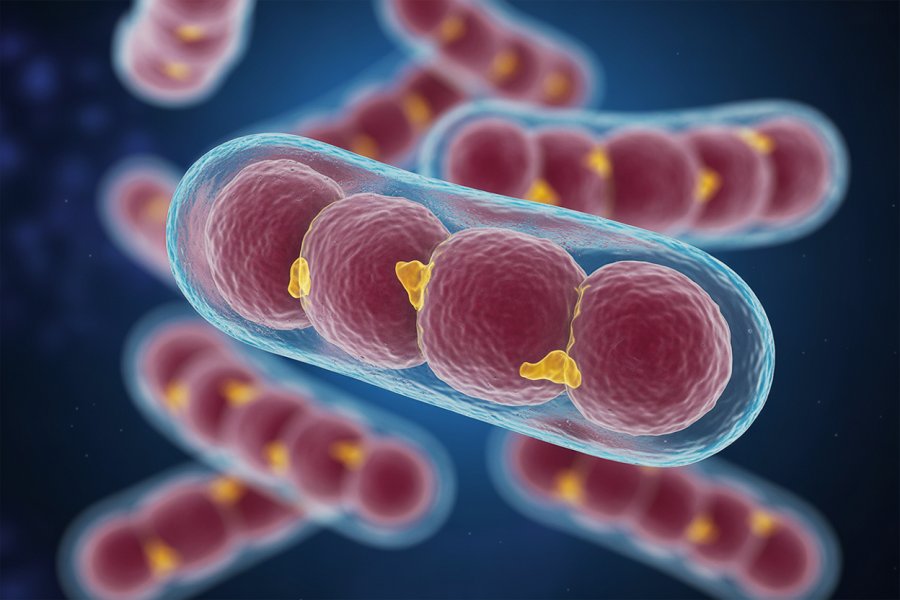
Exploring the Future of Probiotics: Innovations, Research, and Personalized Health Strategies
Research in probiotic science is advancing rapidly, with new strains and innovative delivery methods emerging regularly. Scientists are developing techniques like microencapsulation and protective coatings that help beneficial bacteria survive the harsh environment of the stomach, ensuring they reach the gut alive and active. These technological advances could significantly improve the reliability and effectiveness of probiotic supplements, making targeted health benefits more consistent.
Beyond traditional strains, researchers are exploring bacteria that influence areas outside digestion, such as mental health through the gut-brain axis or immune modulation to address allergies and metabolic issues. This broader approach reflects a growing understanding that probiotics may support overall well-being, not just gut comfort. As studies progress, there’s increasing interest in customizing probiotic formulations to individual microbiomes and health needs, paving the way for more personalized treatments.
Different probiotic strains interact uniquely with our bodies, meaning some are more effective for specific conditions than others. For example, certain strains excel at reducing diarrhea, while others bolster immune responses or improve skin health. This nuanced perspective moves away from the one-size-fits-all model, emphasizing tailored probiotic therapies based on microbiome profiles and personal health goals.
Innovations in delivery systems are also transforming probiotic use. Researchers are experimenting with timed-release capsules, genetically engineered microbes, and microbes designed to produce therapeutic compounds directly in the gut. These advances aim to maximize bacteria survival and activity, broadening their potential in preventive care and targeted treatments.
Despite promising developments, translating lab breakthroughs into real-world benefits takes time. Many strains are still undergoing clinical trials to verify safety and efficacy, and not every promising candidate will make it to market. Rigorous testing and regulatory oversight are essential to prevent unforeseen risks and ensure that new probiotic therapies are both safe and effective.
The future of probiotics is leaning toward personalization. Instead of broad recommendations, treatments will likely be tailored based on individual genetics, microbiome composition, and specific health concerns. This shift could dramatically improve the effectiveness of probiotic therapies, reducing the current trial-and-error approach and offering more precise health support.
While the horizon looks promising, caution remains vital. Not every new strain or delivery method will prove beneficial, and some innovations may carry unforeseen risks. Ongoing research, coupled with strict regulatory standards, will be key to ensuring that future probiotic solutions are safe and truly beneficial for diverse populations.
Overall, the trajectory of probiotic research promises a more targeted and effective future. As science uncovers deeper insights into our microbiomes and develops smarter delivery methods, probiotics may become an integral part of personalized healthcare—supporting not only digestion but broader aspects of health and resilience.
 lissyY
  yvieN
yvieN  ronT
ronT