
Underground street racing is more than just a rush of adrenaline—it’s a fiercely loyal brotherhood forged in the shadows of urban landscapes. From its rebellious origins in mid-20th-century cities to the high-tech scene of today, this culture celebrates innovation, identity, and unbreakable bonds. Drivers modify their cars to express individuality, forming tight-knit crews that support each other amid police crackdowns and dangerous stunts. Despite legal threats, the scene persists, adapting with digital tools and clandestine locations, embodying a resilient spirit rooted in rebellion and camaraderie. As technology evolves—embracing electric power and smart tuning—what does the future hold for this rebellious community? Will innovation and safety ever reconcile with the raw love for speed and brotherhood that fuels their unyielding passion? This culture’s relentless drive continues to push limits, forging a legacy of resilience, kinship, and unbreakable loyalty that endures beyond the asphalt.
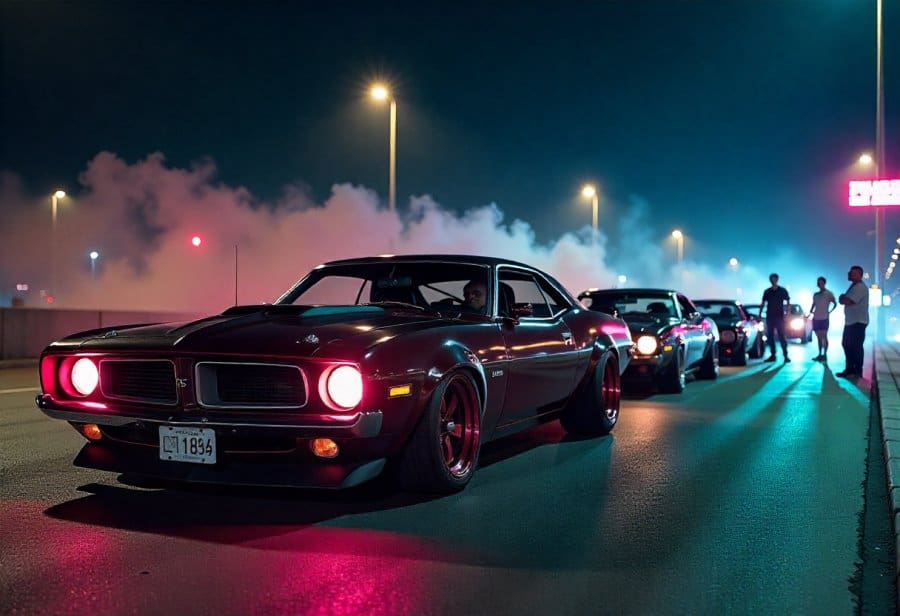
Underground Street Racing: A Culture of Rebellion and Community
Underground street racing has long been a pulse of urban life, blending adrenaline, rebellion, and a sense of community. It started quietly in the shadows of big cities like Los Angeles, Tokyo, and Seoul, where car enthusiasts sought more than just sanctioned tracks—they craved the thrill of pushing their machines to the limit on empty, late-night streets. These clandestine races weren’t about trophies; they were about freedom, identity, and challenging norms. Over time, this underground scene evolved into a vibrant subculture, built on a shared love for speed and customization.
As technology advanced, so did the sophistication of street racing. Early races on deserted streets gave way to highly tuned vehicles equipped with turbochargers, lightweight parts, and custom engines. Each modification became a badge of pride, a way for drivers to express their personality and crew affiliation. This culture spread beyond local neighborhoods through online forums and social media, connecting racers across borders and creating a global community united by passion.
The scene isn’t just about raw power or competition—it’s a form of rebellion that celebrates individuality. The dark streets, illuminated only by neon lights and flickering street lamps, set the perfect backdrop for this high-energy culture. Cars are often painted in bold designs, fitted with body kits, and tuned to stand out. Night racing, with its shadows and flickering headlights, creates an atmosphere of raw energy that reinforces a sense of belonging among drivers who see themselves as part of something bigger than just a race.
Loyalty and camaraderie are the heart of underground racing. Racers form tight-knit crews that support each other through risks, police crackdowns, and dangerous stunts. These bonds are built on shared experiences—late nights, working on cars, and navigating the risks of illegal activity. Secret meeting spots, hand signals, and unspoken rules strengthen their kinship, transforming a group of drivers into a family that sticks together against external threats.
Despite ongoing legal challenges and safety concerns, this culture persists because it fulfills a deeper need for connection, adrenaline, and self-expression. It’s about challenging authority, pushing limits, and forging lifelong friendships. The resilience of underground street racing shows no signs of fading; it continues to adapt, innovate, and thrive, fueled by the unbreakable bonds of brotherhood and the love of speed.
From Shadows to Streets: The Origins and Evolution of Street Racing
Street racing’s roots stretch back to the mid-20th century, emerging from the rebellious spirit of urban car culture. In the 1950s and 1960s, young enthusiasts in cities like Los Angeles, Tokyo, and Seoul began organizing informal races in quiet neighborhoods, often late at night or in abandoned industrial areas. These early competitions weren’t about trophies or official recognition—they were acts of defiance, a way to test driving skills beyond the constraints of sanctioned motorsport. This underground scene reflected a desire for freedom, speed, and a break from societal norms, fueling a youthful sense of rebellion.
As automotive technology advanced, street racing evolved from simple drag starts to more complex, highly tuned competitions. Car modification became central—installing turbochargers, lightweight parts, and custom engines—transforming vehicles into personalized high-performance machines. These modifications weren’t just about speed; they became symbols of identity and pride, often shared across online forums and social media, allowing the scene to grow beyond local borders.
Popular culture played a pivotal role in shaping street racing’s image. Films like “The Fast and the Furious” glamorized modified cars and daring drivers, turning underground racing into a symbol of youthful rebellion and freedom. This exposure drew more young people into the scene, inspiring them to emulate their favorite characters and showcase their own builds. Over time, the culture intertwined with music, fashion, and slang, strengthening a sense of belonging rooted in independence and brotherhood.
Despite its allure, street racing has faced ongoing challenges. Law enforcement agencies have cracked down using undercover operations, surveillance, and stricter penalties, making it harder to find safe, hidden locations. Legendary races often ended in police arrests or accidents, yet the scene persisted. Racers adapted by scouting new spots, developing evasion tactics, and keeping the culture alive underground. This ongoing game of cat and mouse has become part of the scene’s identity—balancing risk with resilience.
Today, technology continues to push the scene forward. Modern racers use digital tuning software, electric powertrains, and lightweight materials to enhance performance. Locations have shifted to warehouses, parking garages, and industrial zones, offering seclusion and safety from law enforcement. Online platforms enable organizers and enthusiasts worldwide to share tips, organize clandestine events, and foster a global community that keeps the scene vibrant despite legal pressures.
Throughout this evolution, the core remains unchanged: a desire for rebellion, innovation, and community. Each generation brings new ideas, tech, and locations, but the fundamental spirit of street racing endures. It’s a culture driven by the need to push limits, express individuality, and forge bonds that transcend the asphalt. From its gritty origins to its digital age, street racing’s history is one of resilience and continuous reinvention, rooted in the rebellious pursuit of speed and brotherhood.
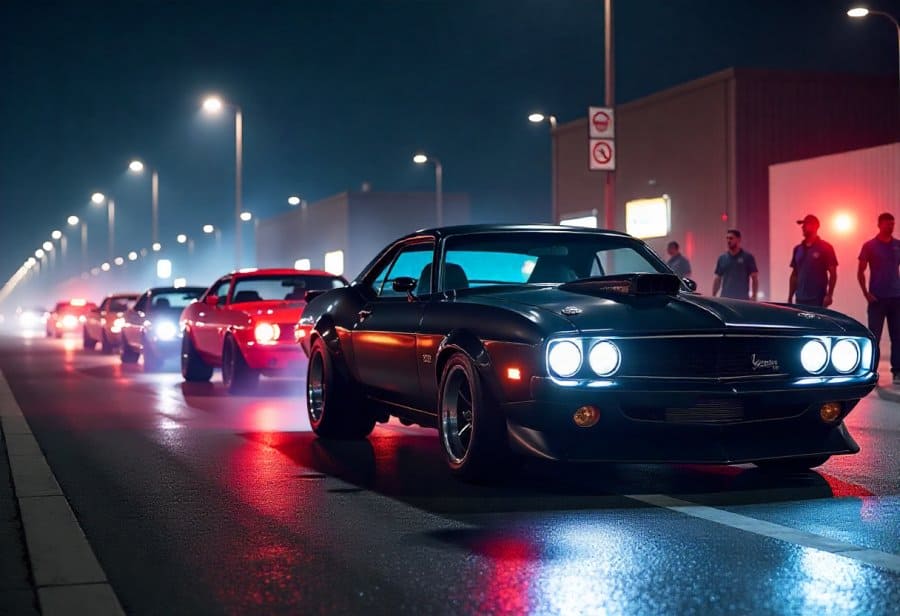
The Modern Scene: Cutting-Edge Tech and Underground Rivalries
Today, underground street racing continues to evolve, blending cutting-edge technology with the raw energy of rebellion. Modern racers outfit their cars with high-performance modifications like turbochargers, digital tuning software, and lightweight materials, pushing the boundaries of speed and style. These upgrades are about more than just raw power—they’re personal statements that showcase individual flair and crew identity, turning each vehicle into a rolling piece of art.
The scene has shifted from spontaneous street meets to more organized, clandestine events held in industrial zones, parking garages, and abandoned lots. These locations offer the seclusion needed for high-stakes races, with drivers often scouting spots through online forums or whispered recommendations. The darkness, flickering lights, and echoing engines heighten the adrenaline, making each race feel like a dangerous dance where trust and precision matter just as much as speed.
Popular cars like the Nissan Skyline GT-R, Toyota Supra, and Mazda RX-7 dominate the scene, thanks to their turbocharged engines and vast aftermarket support. American muscle—Chevrolet Camaros and Ford Mustangs—are heavily modified with nitrous systems and aggressive exhaust setups for explosive power. European models like BMW M3s and Audi S4s find their niche, blending handling with speed. These vehicles aren’t just transportation—they’re symbols of pride, crafted by owners eager to stand out and belong.
Despite mounting law enforcement efforts, the community’s resilience remains strong. Racers rely heavily on social media groups, private messaging, and online forums to organize events and share knowledge. They often identify new locations—such as warehouses or underground parking structures—carefully avoiding detection. This digital connectivity keeps the underground scene vibrant, fostering a sense of unity that crosses borders and generations.
However, increased surveillance, undercover operations, and stricter penalties challenge the scene’s survival. High-speed races on public streets still pose serious safety risks and legal threats, prompting racers to develop sophisticated evasion techniques. Safety concerns grow alongside the adrenaline, but the core of the culture—passion, loyalty, and brotherhood—drives their perseverance. The underground scene continues to adapt, pushing limits while maintaining its rebellious spirit.
Looking ahead, technology promises further transformation. Electric powertrains, smart tuning software, and advanced materials will elevate performance, enabling even more customized and innovative builds. Digital platforms will remain essential for organizing clandestine events, sharing ideas, and maintaining a global network of enthusiasts. Despite ongoing challenges, the essence of underground street racing—the unbreakable bonds and love for speed—will endure, constantly evolving but forever rooted in rebellion and brotherhood.
Brotherhood Behind the Wheel: Loyalty and Bonds in the Race
Underground street racing is as much about brotherhood as it is about speed. Behind every high-octane run, there’s a deep sense of loyalty that binds crews together—creating a bond that runs far deeper than the vehicles or the races themselves. Trust is the foundation; racers depend on each other’s skills, instincts, and support to navigate the dangers of illegal street racing, from police crackdowns to risky stunts. This shared reliance fosters a kinship that feels more like family than just a crew of drivers.
These relationships are built through countless shared experiences—late-night races, repairing cars after crashes, and strategizing evasion tactics. Over time, unspoken rules and secret meeting spots become part of a culture that reinforces their sense of belonging. Hand signals, coded messages, and mutual support aren’t just practical—they’re symbols of trust that keep the crew united against external threats. Supporting each other through legal threats, rival conflicts, or mechanical breakdowns transforms a group of racers into a close-knit brotherhood.
The bonds extend beyond the asphalt, shaping lifelong friendships rooted in shared struggles and victories. Racers lean on their crew members for backup—whether it’s fixing a blown engine, providing a quick escape, or offering moral support when tensions run high. These relationships become a source of strength, fostering resilience amid chaos and danger. Loyalty isn’t superficial; it’s a core value that sustains the scene, giving members confidence to push their limits knowing they aren’t alone.
Night racing’s shadows and flickering lights create an environment of intimacy and trust. In those moments, the drivers depend on more than their cars—they rely on their crew’s loyalty and quick thinking. This mutual support turns individual adrenaline rushes into collective triumphs. The unbreakable connections forged on the streets often turn into lifelong bonds, shaping identities rooted in brotherhood, pride, and shared passion.
At its core, underground street racing is driven by kinship. The rituals, secrets, and unwavering loyalty forge a community that’s more than just a group of racers—it’s a family united by a love for speed and a commitment to each other’s safety and success. This sense of unity fuels their resilience, ensuring that, despite the risks, the spirit of brotherhood endures and continues to thrive behind the wheel.
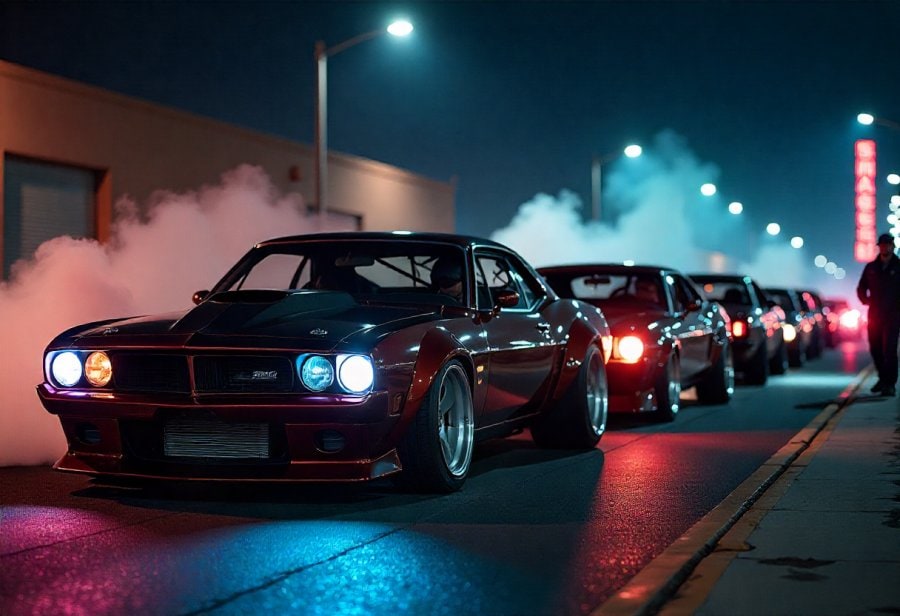
The Future of Underground Racing: Innovations, Challenges, and Enduring Spirit
Looking ahead, underground street racing is set to continue its evolution alongside rapid technological advances and the ever-expanding digital landscape. As performance upgrades become more sophisticated, we’ll see increased use of electric powertrains, smart tuning software, and lightweight, cutting-edge materials that push cars further than ever before. These innovations will not only help racers stay competitive but also allow for more personalized expression—turning each vehicle into a reflection of individual or crew identity. Meanwhile, social media platforms and online forums will remain central to organizing clandestine events, sharing builds, and fostering a truly global community. This connectivity makes it easier than ever for newcomers and veterans alike to exchange ideas, coordinate races, and keep the scene thriving across borders.
However, these technological shifts also introduce new hurdles. Law enforcement agencies are deploying increasingly advanced surveillance tools, undercover operations, and stricter penalties, making it harder to find safe, hidden spots for races. As crackdowns tighten, racers adapt by scouting new locations—such as abandoned warehouses or underground parking structures—and developing more sophisticated evasion tactics. Safety concerns are also rising, with higher speeds and more complex modifications increasing risks for participants and bystanders. Balancing the adrenaline rush with safety and legality will remain a core challenge, prompting the scene to innovate not just on the vehicles but in how they organize and operate.
Despite these challenges, the core values of loyalty, brotherhood, and passion for speed are unlikely to fade. Younger generations, armed with digital tools and fresh ideas, will continue pushing limits, forging new bonds, and maintaining the rebellious spirit that defines underground racing. The resilience of the scene lies in its ability to adapt without losing sight of its roots—shared trust, unbreakable kinship, and a love for speed that transcends the asphalt. As new technologies reshape how cars are built and driven, the sense of community will evolve but remain rooted in the same principles that have sustained it through decades of change.
There’s also a growing possibility that underground racing could embrace more sustainable practices, such as electric vehicles, which might address safety and environmental concerns. This transition could redefine what illegal urban racing looks like, making it less risky and more compatible with broader urban mobility conversations. Yet, the rebellious energy, camaraderie, and love of pushing limits are likely to persist—just expressed through different vehicles and innovations. As long as speed and loyalty drive the scene, underground racing will find ways to adapt and thrive, fueled by the passion that binds its community.
To stay ahead of these shifts, enthusiasts should keep a close eye on online communities, forums, and social media channels. Following influential crews, car builders, and emerging trends will offer valuable insights into how the scene is transforming. Attending local meets, watching race videos, and engaging with the community—whether virtually or in person—will help sustain its vitality. Despite the increasing legal pressures, the love for speed and the bonds of brotherhood will continue to inspire innovation and connection, ensuring underground racing remains vibrant and relevant for years to come. Its future may be different, but its spirit will endure, driven by the unbreakable drive for speed and the unshakable loyalty of its members.
 patB
patB  quinW
quinW  kieR
kieR