
The Dodge Charger stands as an icon of raw American muscle and rebellious spirit, embodying power, attitude, and cultural defiance. From its late ’60s roots with legendary HEMI engines and aggressive styling to its modern resurgence featuring over 700 horsepower in models like the SRT Hellcat, it continually pushes the boundaries of performance. But what truly ignites the road’s primal instincts—timeless design, raw engine roar, or a culture of modification and street racing? As the Charger evolves, blending cutting-edge technology with its rebellious DNA, questions arise about its future amid electrification and sustainability trends. Will the Charger maintain its fierce identity while embracing innovations like hybrid and electric powertrains? This legendary vehicle’s evolution promises a thrilling intersection of tradition and transformation, ensuring that the spirit of American muscle, fueled by adrenaline and attitude, continues to dominate the streets and inspire new generations of enthusiasts.
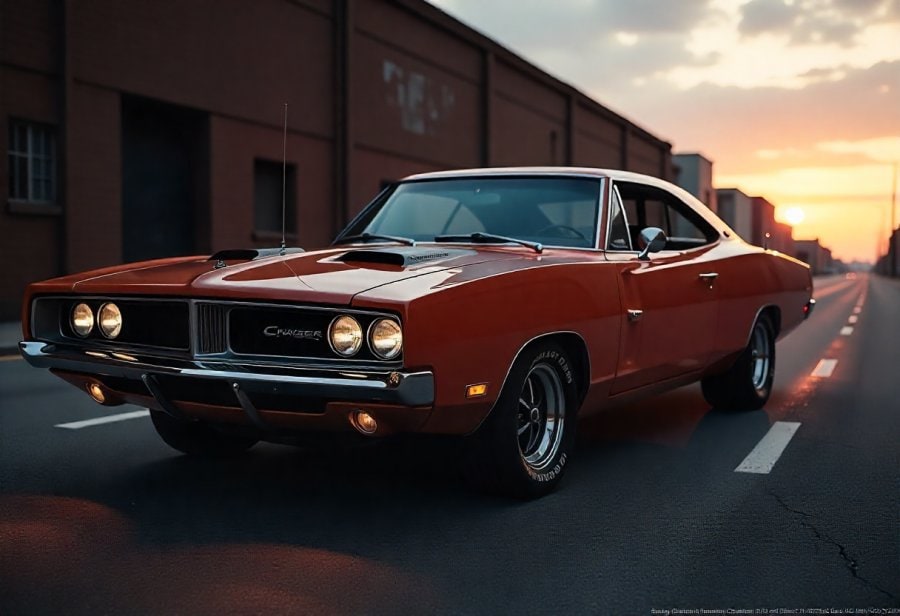
Unleashing the Rebellious Spirit of the Dodge Charger
The Dodge Charger has long been a symbol of American muscle and rebellious spirit, capturing the imagination of car enthusiasts and street racers alike. Its bold, muscular design commands attention, whether cruising city streets or tearing down drag strips. Since its debut in the late 1960s, the Charger has come to represent more than just raw power; it’s a declaration of freedom, attitude, and defiance. Its presence on the road feels like a challenge—an invitation to stand out and push boundaries.
At its core, the Charger embodies primal energy. Its wide stance, aggressive lines, and muscular profile evoke strength and speed. The thunderous roar of its engines, especially the legendary HEMI V8s, signals a machine built to dominate. Driving a Charger isn’t just about getting from point A to B—it’s about making a statement of individuality and rebellion. It’s an extension of the driver’s desire to control the road and refuse to conform.
The Charger’s roots run deep in American muscle car culture, a movement rooted in innovation, performance, and attitude. Early models from the late 1960s quickly became icons thanks to sleek fastback shapes and high-performance engines. They appeared in movies, music, and street racing scenes, cementing their legendary status. The distinctive four round taillights and bold grille have become instantly recognizable symbols of muscle car rebellion, reflecting a fearless, no-nonsense approach to driving.
Over the decades, the Charger has evolved without losing its core identity. From the muscle car wars of the 1970s to its modern renaissance, each generation has balanced tradition with innovation. Today’s models, like the SRT Hellcat, pack over 700 horsepower—an echo of the primal fury that made the original models legendary. The Charger continues to inspire a new generation of enthusiasts who see driving as an act of expression and rebellion, fueled by the raw power of American muscle.
More than just a vehicle, the Dodge Charger has become a cultural icon. It symbolizes freedom, power, and the relentless desire to stand out. Its legacy is built on a fierce commitment to performance and attitude, making it a true legend in American muscle car history. Whether on the streets or in the hearts of fans, the Charger embodies the rebellious spirit that made it famous, fueling passion and pushing the limits of what a muscle car can be.
Tracing the Roots and Evolution of an American Icon
The Dodge Charger’s story begins in the late 1960s, a pivotal era for American muscle cars driven by a desire for raw performance and rebellious attitude. Its original design aimed to stand out with a muscular, sleek profile that combined aggressive lines with a commanding presence. Early models like the 1968 Charger introduced bold styling cues—fastback roofs, wide stance, and distinctive features—that instantly grabbed attention. Under the hood, high-performance V8 engines such as the legendary 426 HEMI and 440 Magnum made these cars fierce contenders on streets and drag strips alike, turning speed into a statement of power.
As the decades rolled on, each new generation of the Charger reflected evolving tastes and technological advances. The second-generation models from 1968 to 1970 pushed the design further, with sharper lines and more aggressive styling that solidified its reputation as a street performance icon. During the muscle car wars of the early 1970s, the Charger became a symbol of straight-line speed and visual impact, thanks to its bold grille, wide body, and high-performance engine options. These models didn’t just offer speed—they embodied rebellion, a feeling captured in movies, music, and street racing scenes.
The 1980s and 1990s saw a dip in muscle car popularity, and the Charger temporarily faded from the spotlight. Yet, the spirit of the model persisted, waiting for a new chapter. That chapter arrived in 2006 when Dodge revived the Charger, blending modern engineering with nostalgic design cues. This reboot paid homage to its roots with a muscular stance, aggressive styling, and contemporary touches, reigniting passion among enthusiasts and newcomers alike. The revival demonstrated that the Charger’s DNA—performance, attitude, and rebellion—remained intact, even amid changing automotive trends.
Recent years have marked a new era of evolution, with high-performance variants like the R/T, Daytona, and the SRT Hellcat pushing horsepower beyond 700. These models combine primal road power with cutting-edge technology, from lightweight materials to advanced suspension systems, ensuring the Charger remains a street racing beast. The 2019 Widebody redesign further enhanced its presence, with wider fenders and a more aerodynamic profile, all while maintaining its iconic four round taillights. This evolution keeps the Charger relevant—an unstoppable blend of tradition and innovation.
Throughout its history, the Charger has been shaped by passionate designers and engineers inspired by American street racing and pop culture. Each generation builds on its legendary reputation, balancing timeless design with modern performance. From its roots in muscle car rebellion to today’s high-tech powerhouses, the Charger embodies the relentless pursuit of speed and attitude. Its evolution isn’t just about technical upgrades; it’s a reflection of an enduring American spirit that refuses to fade, ensuring the legend of the Dodge Charger continues to thrive for generations to come.
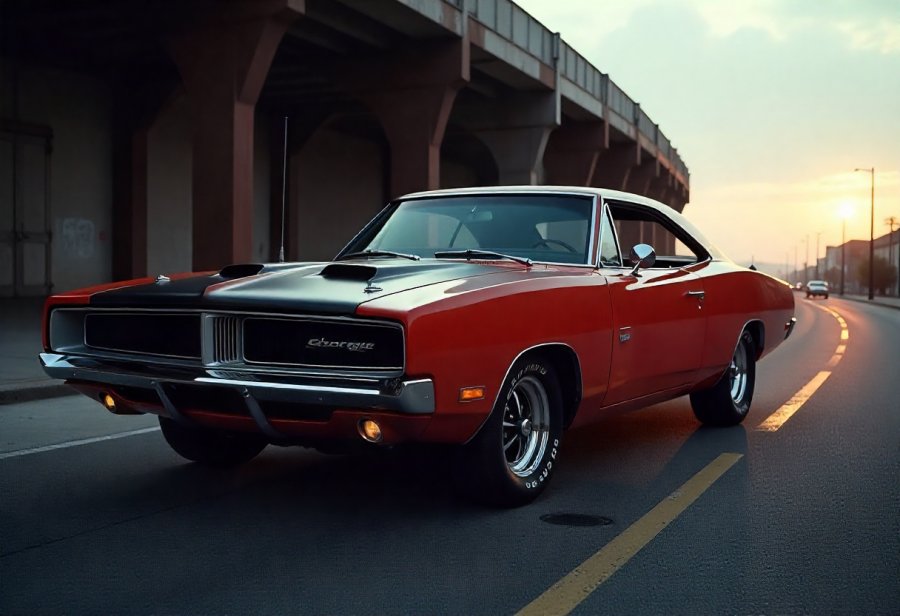
Modern Muscle Power: The Dodge Charger’s Contemporary Reign
Today’s Dodge Charger continues to stand as a powerful symbol of raw American muscle and rebellious spirit, building on the legacy that made it an icon. Modern models like the SRT Hellcat deliver over 700 horsepower, unleashing a thunderous roar that echoes the primal fury of the original muscle cars. Its design remains true to its roots, with a wide, aggressive stance, bold lines, and the signature four round taillights that instantly signal muscle car dominance. These cars aren’t just about looks—they’re engineered for performance, blending old-school grit with cutting-edge technology to create a street racing beast fit for today’s roads.
Inside, the Charger fuses its raw attitude with modern convenience. The driver-focused interior features large touchscreen displays, advanced safety features, and customizable drive modes, making it practical for daily use without sacrificing its fierce character. Under the hood, the lineup offers a range of engines, starting with efficient V6 options, but the real highlight is the supercharged V8s like the 6.2-liter HEMI Hellcat, which pushes horsepower beyond 700. This combination of power and tech ensures the Charger remains a true muscle car for those craving primal road power with modern comfort.
Design-wise, the Charger has adopted sleeker, more aerodynamic lines that improve handling and efficiency while still maintaining its aggressive stance. The wide-body models enhance stability and presence, with features like a bold grille and sleek profile that hint at its speed capabilities. These updates reflect a careful balance—honoring the classic muscle car aesthetic while embracing modern finesse. This evolution keeps the Charger relevant and desirable on today’s streets and performance circuits, appealing to both longtime fans and new enthusiasts.
Performance enhancements continue to push boundaries, with lightweight materials, improved suspension systems, and aerodynamics making the car more responsive and agile. High-performance variants, especially the supercharged models, are built to dominate, offering blistering acceleration and handling that can rival some sports cars. Despite the modern tech and refined design, the core experience remains rooted in the visceral thrill of raw, unfiltered muscle. Driving a Charger today still delivers the primal road power that first made it legendary.
Behind this modern muscle car’s roar are dedicated engineers and aftermarket brands like Mopar and Hennessey, constantly pushing the limits of performance. They focus on tuning and upgrades that amplify the Charger’s primal appeal, ensuring it stays at the forefront of street racing and muscle car culture. The blend of contemporary technology with its rebellious DNA makes the modern Dodge Charger not just a car, but an extension of the muscle car rebellion—fast, fierce, and unapologetically American.
In essence, the modern Charger captures the spirit of its historic roots while embracing the innovations of today. It’s a vehicle that commands attention not only through its looks but through its raw, unrelenting power. Every detail, from its engine notes to its aggressive stance, speaks to a legacy of rebellion and performance. The Charger remains a true embodiment of American muscle, capable of igniting primal instincts and inspiring awe wherever it roars. It’s a modern masterpiece that keeps the legendary fire burning bright.
Street Racing Legend: The Charger’s Untamed Performance
The Dodge Charger’s reputation as a street racing beast is deeply ingrained in its DNA. Its raw, unfiltered power and tuning potential make it a favorite among enthusiasts eager to push performance to the limit on city streets. Many owners upgrade their Chargers with superchargers, cold air intakes, and custom exhausts, transforming them into ferocious machines capable of tearing through traffic with lightning-fast acceleration. The guttural growl of a tuned engine instantly signals that this isn’t just any muscle car—it’s a serious contender in the underground performance scene.
The culture surrounding modification and tuning runs parallel to the Charger’s legendary status. Owners take pride in personalizing their cars, often unlocking additional horsepower through high-performance parts. Lightweight racing wheels and sticky tires improve grip during high-speed duels, while suspension upgrades help maintain stability during aggressive maneuvers. ECU tuning and engine remapping further amplify performance, turning a stock Charger into a street racing titan that commands respect and admiration.
Looking back at vintage models from the late 1960s and early 1970s reveals how deeply rooted the Charger’s street racing identity truly is. The 1969 Charger R/T, with its iconic fastback silhouette and thunderous HEMI engine options, became a staple of American muscle rebellion. Movies like “Bullitt” showcased these cars tearing through city streets, fueling dreams of raw, unrestrained speed. Today’s enthusiasts still chase that same primal feeling—pushing their modern Chargers beyond factory limits in pursuit of that legendary street cred.
Maintaining a racing-ready Charger requires strategic upgrades and regular tuning. Performance parts like cold air intakes and exhaust systems boost horsepower, but handling upgrades are equally crucial. Upgraded suspension components, lightweight wheels, and high-traction tires ensure the car remains composed at high speeds. ECU calibrations unlock hidden potential, turning the Charger into a finely-tuned street racing machine capable of blistering acceleration and razor-sharp cornering.
Pushing a Charger to its performance edge demands careful planning. Overly aggressive modifications without considering braking and handling can compromise safety and reliability. Many owners focus on a balanced approach—enhancing power while reinforcing safety features. This ensures their Charger not only dominates on the streets but remains a dependable, exhilarating machine for everyday drives and midnight battles alike.
The Charger’s role in street racing culture is more than just a legacy; it’s a living tradition. Its ability to be customized and tuned into a formidable performance vehicle keeps it at the heart of underground circles. That rebellious spirit—an unyielding desire to defy limits and stand out—continues to define its identity. For those who crave primal road power and raw adrenaline, the Dodge Charger remains an unstoppable force, forever fueling the passion of street racers and muscle car rebels.
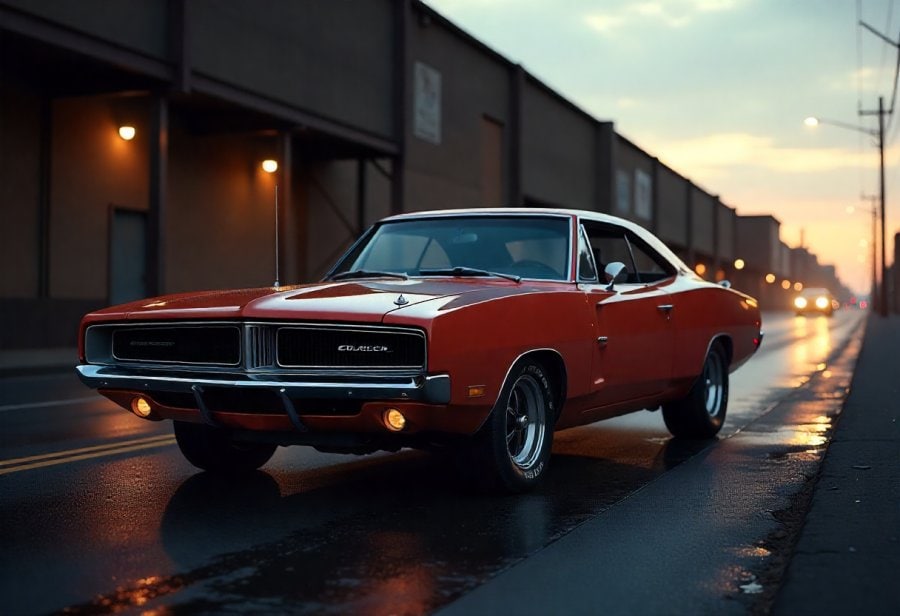
Charging Toward Tomorrow: The Future of American Muscle and the Dodge Charger
The future of the Dodge Charger and American muscle cars is poised for a bold transformation, blending the raw primal energy that made them legendary with cutting-edge innovations. As automakers face increasing pressure to incorporate sustainability, electrification and hybrid technologies are becoming central to performance narratives. The idea of instant torque from electric motors promises to redefine street racing and high-performance tuning, offering blistering acceleration that rivals traditional V8s while opening doors to new customization possibilities. This shift hints that muscle cars won’t lose their rebellious spirit—they’ll evolve into cleaner, smarter icons that still roar like their ancestors.
Design trends suggest a move toward sleeker, more aerodynamic profiles that enhance handling and efficiency. Some enthusiasts worry that this might soften the aggressive stance that defines muscle cars, but many see it as an opportunity to refine the classic look without sacrificing attitude. Preserving signature elements—such as the wide stance, bold grille, and iconic taillights—will be crucial for maintaining the Charger’s instantly recognizable identity. Striking this balance between tradition and innovation could ensure the model remains a symbol of American rebellion, even in a more refined form.
Performance technology is expected to push boundaries further with lightweight materials, advanced suspension systems, and aerodynamic tweaks. Electric powertrains may become standard on high-performance variants, delivering near-instant torque and rapid acceleration. These advancements will help the Charger stay relevant on both streets and race tracks, appealing to a new generation of drivers eager for adrenaline and innovation. Meanwhile, driver-assist features and customizable tech will blend classic muscle car grit with modern convenience, making performance more accessible and personalized than ever.
Culturally, the landscape is shifting as enthusiasts embrace electrification while celebrating the rebellious ethos that defines American muscle. Future models might produce a synthetic growl—an evolved sound that echoes the primal engine roar but with a modern twist. The focus will shift toward overall driving experience and personal expression, with tuning and aftermarket modifications remaining vital. The essence of pushing boundaries and standing out will continue to thrive, adapting seamlessly into this new era of performance and technology.
What’s clear is that the Dodge Charger’s legacy isn’t just rooted in the past—it’s built to adapt and thrive amid change. Its ability to incorporate innovations—whether through electrification, sleeker design, or smarter tech—will keep the core of its rebellious identity alive. The primal roar of a muscle car may evolve, but the spirit of American grit and performance will remain at its heart, inspiring new generations of drivers to chase the thrill of speed. As the automotive world moves forward, the Charger’s unwavering attitude and fierce presence will ensure it continues to ignite primal instincts and fuel passion for years to come.
 antM
antM  patB
patB  lissyY