
In 2011, NASA’s Space Shuttle Atlantis embarked on its historic final mission, marking the end of an era defined by decades of pioneering human spaceflight. This launch symbolized both a farewell to reusable spacecraft and a stepping stone toward future exploration, fueling global pride and nostalgia. Atlantis’s last flight supported critical supplies and advanced scientific hardware on the International Space Station, demonstrating its versatility and resilience after nearly 30 years of service. Technological upgrades, international collaboration, and complex spacewalks showcased the shuttle’s crucial role in expanding humanity’s reach into space. Its legacy extends beyond logistics, influencing the design of future spacecraft and fostering a new era of commercial partnerships. But as Atlantis’s mission closed a chapter, it ignited questions about the future of space exploration—how will its innovations and international spirit shape humanity’s next giant leap? This final voyage remains a testament to resilience, ingenuity, and our relentless pursuit of the cosmos.
Article Contents

Celebrating Atlantis’s Final Journey: A Historic Space Shuttle Departure
In 2011, the world watched as NASA’s Space Shuttle Atlantis embarked on its final journey into space, closing a remarkable chapter in human spaceflight history. After nearly 30 years of pioneering exploration, Atlantis’s last mission was more than just a scheduled flight—it symbolized the culmination of an era defined by reusable spacecraft and bold scientific ambitions. As it lifted off from Kennedy Space Center, millions across the globe felt a mix of pride, nostalgia, and anticipation for what lay ahead.
This mission was deeply rooted in the storied history of the shuttle program, which began in the early 1980s. Over the decades, Atlantis proved to be one of NASA’s most reliable and versatile orbiters, supporting everything from deploying satellites to repairing the Hubble Space Telescope and helping assemble the International Space Station. Each mission added a new layer to its legacy, showcasing American ingenuity and international collaboration. Atlantis’s final flight marked the end of a significant chapter, but it also set the stage for new approaches in space exploration.
The decision to retire Atlantis and the shuttle program reflected a strategic shift in NASA’s focus. It acknowledged that the era of reusable spacecraft had reached a natural conclusion, prompting a move toward partnerships with commercial space companies like SpaceX and Boeing. This transition aimed to foster innovation and reduce costs, ensuring continued access to space even as NASA moved toward deeper exploration missions beyond low Earth orbit. Atlantis’s final mission was a key part of this transition, supporting critical infrastructure and scientific research on the International Space Station.
Carrying a carefully selected payload, Atlantis’s last flight played a vital role in supporting the ongoing work aboard the station. It delivered essential supplies—food, water, and spare parts—needed to sustain crew members and keep experiments running smoothly. Beyond logistics, the mission also brought new scientific instruments and hardware to expand the station’s research capabilities. These payloads underscored NASA’s commitment to pushing the boundaries of knowledge, even as the shuttle era drew to a close.
Technological upgrades during the final mission highlighted the continuous evolution of spaceflight technology. Improvements to the thermal protection system enhanced the durability of Atlantis’s heat shields, crucial after decades of service. The shuttle’s propulsion systems also became more efficient, allowing for better maneuverability and fuel management in orbit. These advancements were vital not only for the success of this last flight but also for informing the design of future spacecraft, ensuring lessons learned would carry forward into new exploration efforts.
The crew’s work during the final mission demonstrated Atlantis’s versatility and reliability. They performed multiple spacewalks to install hardware, repair systems, and maintain the station’s infrastructure. These tasks validated the shuttle’s role as a dependable workhorse for assembly and servicing of the International Space Station. Onboard systems, including upgraded life support and communication tools, helped streamline operations and enhance crew safety—key factors that contributed to the mission’s success in a demanding environment.
International collaboration was central to Atlantis’s final journey. Payloads included modules and equipment contributed by partner countries, reflecting the global effort behind the International Space Station. This international cooperation expanded the station’s scientific and operational reach, turning it into a truly multinational platform for research and innovation. The successful integration of these diverse elements underscored the importance of teamwork and shared goals in space exploration, reinforcing the idea that humanity’s reach for the stars is a collective endeavor.
As Atlantis’s final mission concluded, its legacy extended beyond the technical achievements. The flight demonstrated that reusable spacecraft could support long-term human presence in space, setting a standard for future exploration. Its technological innovations and operational experience laid a foundation for newer spacecraft and ambitious missions to the Moon and Mars. The mission’s success embodied resilience, ingenuity, and international collaboration—values that continue to inspire and drive humanity’s ongoing pursuit of the cosmos.
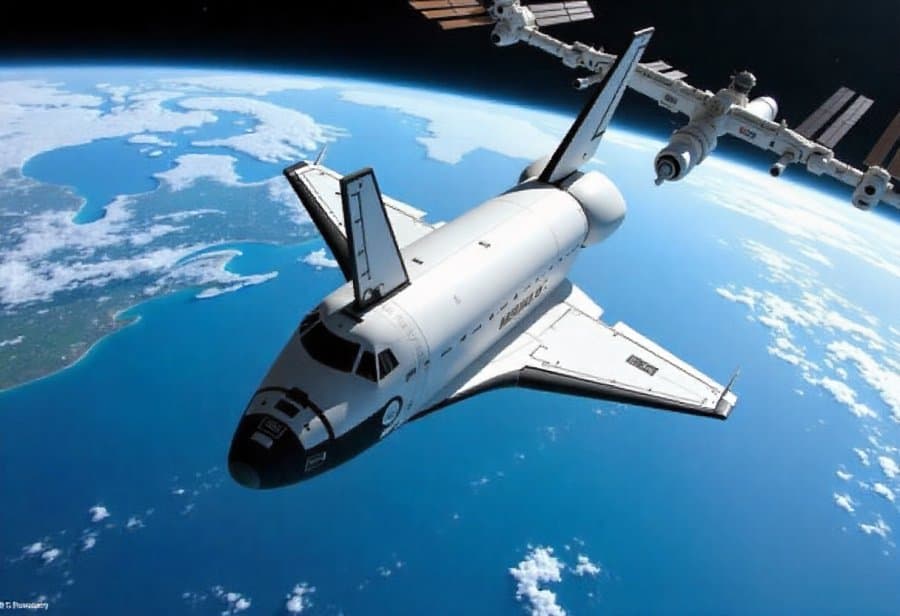
Unveiling the Details of Atlantis’s Last Mission: Payloads, Technology, and Triumphs
During its final mission, Atlantis carried a carefully curated array of payloads that underscored its vital role in supporting the International Space Station. Among these were essential supplies—food, water, and spare parts—that ensured the station’s crew could continue their scientific work without interruption. But the mission wasn’t just about logistics; it also delivered new scientific instruments and hardware designed to expand the station’s research capabilities in microgravity. These payloads not only supported ongoing experiments but also laid the groundwork for future breakthroughs, reaffirming NASA’s commitment to pushing the boundaries of knowledge even as the shuttle program concluded.
The mission also highlighted several technological advancements that demonstrated the ongoing evolution of spacecraft design. Upgrades to Atlantis’s thermal protection system enhanced the durability of its heat shields, a critical factor after nearly three decades of service. These improvements made re-entry safer and more reliable, reflecting lessons learned from previous missions. Additionally, the shuttle’s propulsion systems became more efficient, allowing for better fuel management and more precise maneuvering in orbit. These technical enhancements were vital not only for the success of this final flight but also for informing the future design of spacecraft destined for deep space exploration.
Atlantis’s versatility was on full display during this last mission. Crew members conducted multiple spacewalks to install new hardware, repair existing systems, and perform maintenance on the International Space Station. These extravehicular activities showcased the shuttle’s role as a dependable workhorse, capable of complex tasks in the demanding environment of space. The onboard systems, including upgraded life support and communication tools, helped streamline operations and ensure crew safety. These features contributed to the mission’s smooth execution and demonstrated that Atlantis could handle the rigors of critical assembly and servicing tasks one last time.
International cooperation played a key role in the success of Atlantis’s final flight. Payloads included modules and equipment contributed by partner nations, emphasizing the global effort behind the space station. These international components expanded the station’s scientific and operational capacity, transforming it into a truly multinational platform for research and discovery. The seamless integration of these diverse elements underscored the importance of teamwork and shared vision in space exploration. Atlantis’s ability to carry and install international payloads reinforced the idea that space endeavors are increasingly collaborative, with collective efforts pushing boundaries farther than any single nation could alone.
Technological progress during Atlantis’s operational years also laid a solid foundation for future exploration. Upgraded thermal protection materials, more efficient propulsion systems, and improved onboard systems set new standards for spacecraft resilience and performance. These innovations continue to influence current spacecraft design, ensuring that each new vehicle benefits from proven reliability and safety. As missions venture deeper into the solar system, the lessons learned from Atlantis’s engineering and operational experience remain vital, guiding the development of next-generation explorers aiming for the Moon, Mars, and beyond.
The operational safety strategies refined over Atlantis’s long service life have left a lasting impact. Its missions demonstrated that meticulous planning, robust engineering, and comprehensive crew training could mitigate the hazards of space travel. These lessons continue to shape current practices, fostering a culture of safety that allows explorers to push boundaries with confidence. As NASA and commercial partners prepare for future missions, the example set by Atlantis serves as a benchmark for risk management and operational excellence, ensuring that human spaceflight remains as safe as it is ambitious.
In the end, Atlantis’s final mission was more than a technical achievement; it was a testament to decades of progress, resilience, and international collaboration. Every payload delivered, every system upgraded, and every task completed reflected a shared human drive to explore the unknown. The mission’s success reinforced the idea that space exploration is a collective effort—built on innovation, teamwork, and a relentless pursuit of discovery. As we look ahead to new frontiers, the legacy of Atlantis’s last flight continues to inspire, reminding us that the dreams carried beyond the sky are rooted in the spirit of human ingenuity and the unyielding quest to reach for the stars.
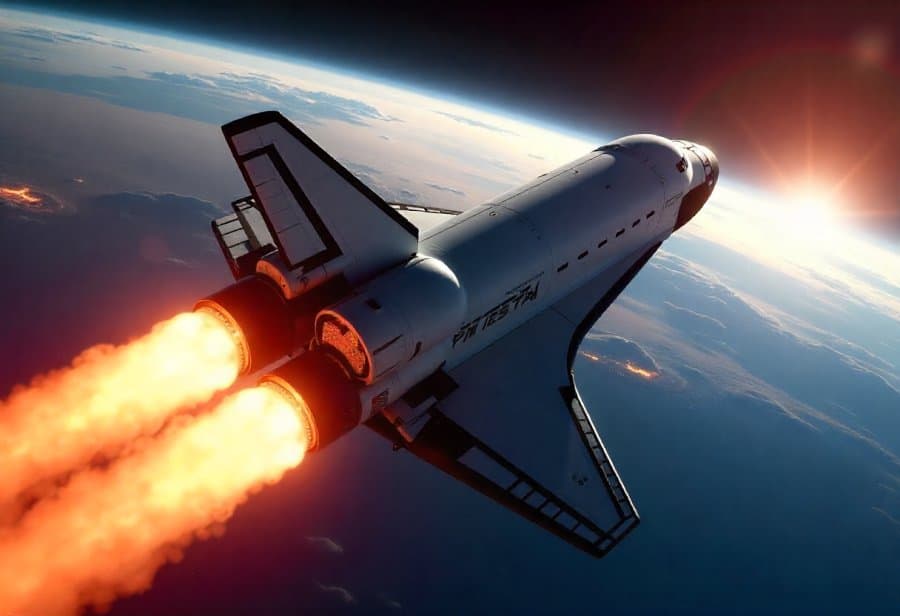
Legacy of Atlantis: Pioneering the Future of Human Space Exploration
The legacy of Atlantis’s missions extends far beyond its final flight, shaping the future of human space exploration in profound ways. Its successful deployment and servicing of the International Space Station proved that reusable spacecraft could support long-term human presence in space, establishing a standard that continues to influence current and upcoming missions. The technological innovations pioneered during its career—such as advanced thermal protection systems and versatile payload capabilities—have become foundational elements for designing newer spacecraft and planning ambitious exploration strategies. These advancements are more than technical milestones; they are critical building blocks that continue to drive progress in spacecraft engineering and mission planning.
Atlantis’s role in constructing and maintaining the ISS helped cement international cooperation as a core principle of space exploration. Its missions brought together countries and agencies, fostering a spirit of collaboration that now underpins programs like Artemis and future lunar missions. The ability to carry large payloads and perform complex spacewalks demonstrated that collective effort can achieve extraordinary results. This spirit of partnership has become a guiding force, illustrating that shared goals and collaboration are essential to overcoming the challenges of deep space exploration and establishing sustainable human presence beyond Earth.
The shuttle program’s focus on reusability and operational reliability has left a lasting imprint on spaceflight. Atlantis’s repeated missions proved that spacecraft could be built to withstand the rigors of space and return safely, inspiring confidence in reusable systems. This approach has influenced the development of commercial spacecraft, which now aim to reduce costs while increasing mission cadence. The success of Atlantis helped shift the paradigm from one-time-use hardware to sustainable, long-term human spaceflight infrastructure—an evolution that is critical for missions to the Moon, Mars, and beyond. Its example continues to shape how agencies and private companies develop and operate spacecraft today.
The technological progress made during Atlantis’s operational years also laid the groundwork for ongoing innovations. Upgrades to thermal protection materials, more efficient propulsion systems, and improved onboard systems set new standards for spacecraft resilience and performance. These improvements inform the design of current vehicles, ensuring that each new spacecraft benefits from proven reliability and safety. As missions venture further into the solar system, the lessons learned from Atlantis’s engineering and operational experience remain vital, guiding the development of explorers destined for lunar bases and Martian colonies.
Beyond technical achievements, Atlantis’s operational safety and risk management strategies continue to influence current practices. Its long service history demonstrated that meticulous planning, robust engineering, and thorough crew training could mitigate hazards inherent in space travel. These lessons foster a safety culture that allows explorers to push boundaries with confidence. As NASA and commercial partners prepare for new missions—aiming to land on the Moon or reach Mars—the confidence built through Atlantis’s dependable performance provides a solid foundation. Its legacy ensures that safety remains a priority even as ambitions grow bolder.
Atlantis’s achievements have also left an indelible mark on society—shaping public perception and inspiring generations. Its missions captured imaginations worldwide, showcasing that human spaceflight is rooted in resilience, ingenuity, and international teamwork. The pride, hope, and curiosity sparked by Atlantis continue to motivate scientists, engineers, and explorers, fueling ongoing interest and investment in space endeavors. This cultural impact underscores the importance of storytelling in science, reminding us that exploration is as much about inspiring humanity as it is about scientific discovery.
Looking ahead, the lessons from Atlantis’s legacy will continue to guide the next chapter of space exploration. Its technological innovations and operational insights form a blueprint for designing safer, more capable spacecraft. The spirit of international collaboration and shared effort demonstrated during its missions sets a precedent for future multinational endeavors. As humanity advances toward lunar settlements and aims for Mars, Atlantis’s story serves as a reminder that progress is driven by resilience, teamwork, and relentless curiosity. Its legacy is not just in the technology it helped develop but also in the human drive to explore the unknown, reaching ever farther into the cosmos.
The end of the shuttle program marked a significant turning point for NASA and space exploration as a whole. Understanding the impact of the shuttle program’s end on nasa and space exploration helps contextualize how Atlantis’s missions paved the way for new approaches and collaborations in the post-shuttle era. Reflecting on this transition highlights the enduring influence of Atlantis’s legacy within nasa’s shuttle program history, inspiring continued innovation and international partnerships.
 quinW
quinW  ronT
ronT  antM
antM