
In a world increasingly dominated by screens and digital interactions, can the simple act of gardening together truly serve as a pathway to deeper connection and healing? ‘Cultivate Calm’ explores how shared outdoor and indoor gardening activities foster patience, trust, and emotional resilience, transforming neighbors and loved ones into supportive communities. Drawing on historical traditions and modern practices—from sacred ancient gardens to urban community plots—the book reveals that tending to life is an enduring symbol of nurturing relationships. With practical insights into collaborative gardening routines and cultural perspectives, it questions whether these timeless acts of care can counteract social disconnection. Ultimately, it suggests that planting seeds—literally and figuratively—can cultivate not only flourishing gardens but also stronger, more compassionate bonds, offering a grounding reminder that healing begins when we work side-by-side, nurturing life and each other.
Reconnecting with Nature and Each Other Through Gardening
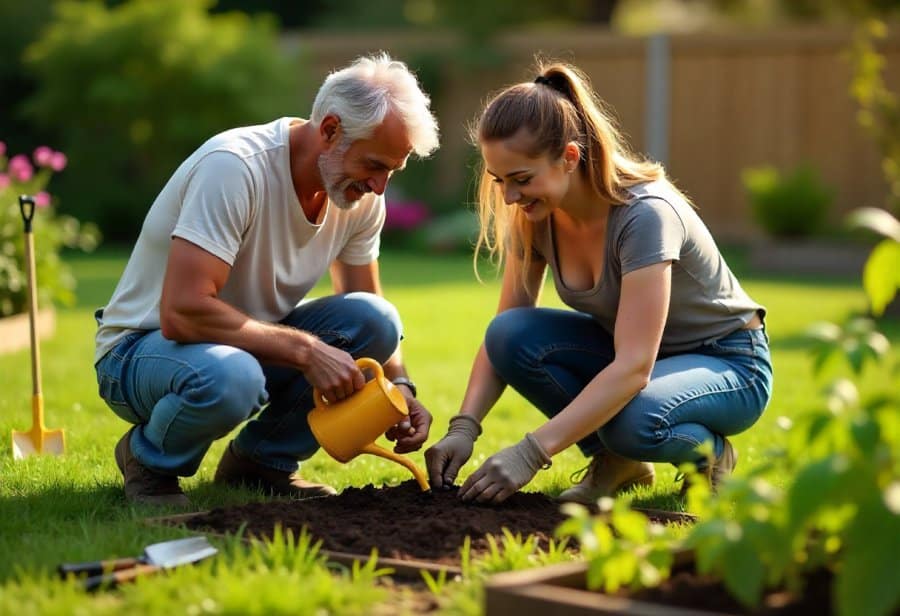
In today’s fast-paced, digital-driven world, it’s easy to feel disconnected from nature—and from each other. Screens dominate much of our daily routines, often replacing face-to-face interactions and shared experiences that once helped forge strong bonds. Gardening offers a simple but powerful way to bridge that gap. When we work side-by-side outdoors—planting seeds, watering plants, or simply watching life unfold—a quiet transformation happens. It’s more than just tending to plants; it’s about nurturing relationships through shared effort, patience, and presence.
Sharing a garden creates space for emotional connection that words sometimes can’t reach. Caring for something together builds trust and encourages open communication, fostering a sense of teamwork. The act of nurturing life side-by-side becomes a ritual that strengthens bonds and reminds us of our capacity to support and care for others. It’s a tangible act of kindness that can deepen understanding and create lasting memories.
Research supports what gardeners often feel intuitively: time spent in nature boosts mental health and emotional resilience. Gardening reduces stress hormones, lifts mood, and promotes calmness. When done with others, these benefits multiply. The physical act of caring for plants shifts attention away from worries, encouraging mindfulness and emotional healing. In a world where superficial digital interactions are commonplace, working together in a garden offers an authentic way to reconnect—grounding us in the present moment and in each other.
Gardening’s role in fostering connection isn’t new; it echoes a long history of gardens serving as spaces for community, healing, and spiritual reflection. Across cultures and eras, tending the land has been a shared act that bonds people. From sacred gardens of ancient civilizations to modern community plots, the act of nurturing life has always been intertwined with building emotional resilience and social cohesion.
Today, more people are discovering that gardening can serve as a form of outdoor therapy. Urban community gardens, balcony planters, and shared green spaces become places where neighbors come together, forging relationships through collective effort. These gardens produce more than food—they create a sense of belonging and shared purpose, reminding us that amidst digital distractions, simple acts of care can restore our connection to each other and the natural world.
Ancient Roots: How Cultures Cultivated Connection and Healing
Gardening has been a fundamental part of human culture for thousands of years, serving as much more than a practical activity. Throughout history, gardens have been vital spaces for social bonding, spiritual reflection, and healing. In ancient Egypt, China, and Greece, gardens often held sacred significance, functioning as sites for rituals, community gatherings, and healing ceremonies. These spaces were intentionally designed not only for beauty but to foster connection among people and with the divine, reinforcing social cohesion through shared reverence and purpose.
In Chinese culture, gardens symbolize harmony with nature and serve as tranquil retreats where individuals can connect with their inner selves and others. These carefully crafted landscapes often feature elements that promote reflection and conversation, strengthening social ties through shared appreciation for beauty and balance. Similarly, indigenous communities worldwide have long viewed gardening as a sacred act—integrating planting and tending into spiritual practices, storytelling, and communal responsibilities that deepen bonds and reinforce cultural identity.
During the Renaissance, gardens transformed into symbols of status and collective identity. Elaborate courtyards and landscaped estates became gathering places for dialogue, artistic expression, and social interaction. Tending these lush spaces was a communal effort that not only nurtured the land but also reinforced societal bonds, illustrating how caring for nature can mirror nurturing relationships within the community.
Fast forward to modern times, and community gardening initiatives have emerged as grassroots movements to combat urban isolation. Shared vegetable plots and urban farms turn neglected spaces into lively hubs where neighbors collaborate, share knowledge, and support each other. These gardens produce more than food—they foster a sense of belonging, mutual support, and resilience, echoing a long-standing tradition of using gardening as a tool for emotional healing and social cohesion.
In therapeutic settings, gardening continues to serve as a powerful healing practice. Trained horticultural therapists harness the act of caring for plants to support mental health, helping individuals cope with trauma, stress, and emotional challenges. These programs demonstrate that tending to life—whether plants or relationships—can be a transformative act of nurturing and connection.
Across cultures and throughout history, the act of caring for the land has consistently strengthened community bonds. From sacred spaces to urban community plots, gardening has always been intertwined with healing and resilience. These enduring traditions remind us that nurturing life is also a way to nurture human connections, fostering emotional well-being that spans generations and cultures.
Modern Gardens: Building Bonds in a Digital World
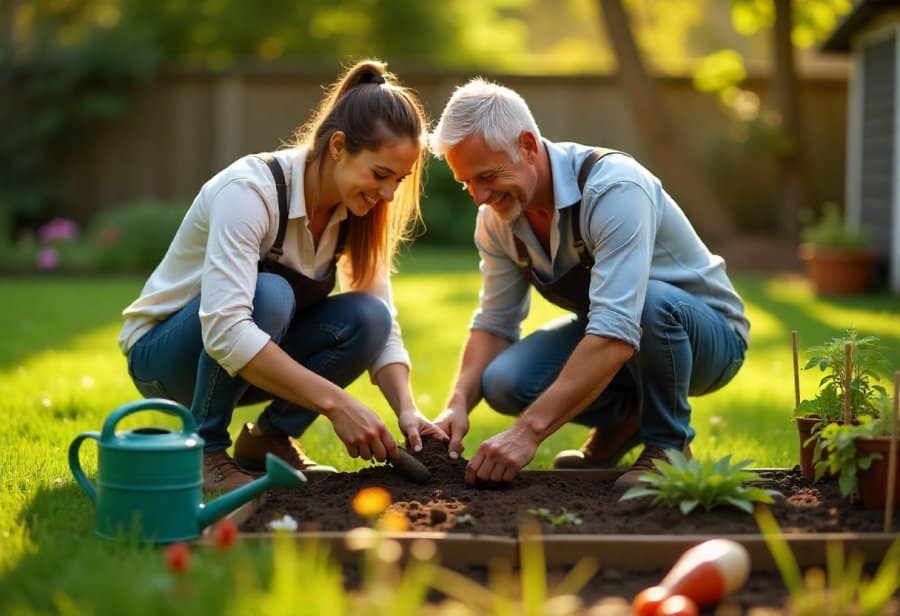
Today, gardening manifests in many forms, blending traditional outdoor practices with modern approaches that emphasize connection and well-being. Urban community gardens are transforming vacant lots and neglected spaces into lively gathering spots where neighbors come together to grow vegetables, herbs, and flowers. These shared spaces do more than produce food—they foster social bonds through teamwork and conversation, creating a sense of belonging rooted in collective effort. Meanwhile, indoor gardening and balcony setups make it easy for people in apartments or dense cities to incorporate nature into daily life, breaking the myth that gardening is only for those with yards.
Many contemporary gardeners prioritize sustainable practices, organic methods, and eco-friendly designs. These choices deepen their relationship with nature and promote environmental responsibility. Whether composting, planting native species, or conserving water, these activities connect people to natural cycles of growth and renewal. Engaging in such practices often sparks discussions about climate change, conservation, and community resilience, strengthening bonds through shared values. Tending plants together, whether in a backyard or a community plot, turns gardening into a meaningful act—an everyday ritual that nurtures both the environment and human relationships.
Across different regions and cultures, shared gardening reflects local traditions and values, shaping how communities connect. In Japan, community rice paddies and vegetable plots foster cooperation and harmony, emphasizing collective effort. In African villages, communal farming and seed-sharing are vital for social cohesion, woven into stories and cultural practices. Indigenous communities worldwide incorporate spiritual ceremonies into their gardening routines, viewing nurturing as a sacred act that sustains cultural identity and emotional well-being. These diverse approaches show that, regardless of location, gardening remains a universal language of connection—an act that unites people through shared labor and purpose.
While many celebrate gardening’s role in fostering relationships, it’s not without its challenges. Not everyone has access to land or physical ability to garden, and cultural differences can influence how gardening is perceived or practiced. Recognizing these nuances helps prevent overgeneralization and highlights that gardening is one tool among many for connection and healing. Supportive policies and community programs are essential for expanding access. Good zoning laws, funding, and public initiatives can make green spaces more inclusive, ensuring that more people can experience the social and emotional benefits of shared gardening.
As the world continues to urbanize and digitalize, gardening’s role in building relationships remains vital. Urban rooftop gardens, school projects, and therapy gardens demonstrate how tending plants together creates meaningful interactions amid busy, often isolating environments. These initiatives show that even simple acts—watering a plant or planting a seed—can foster patience, cooperation, and trust. Embracing these small, consistent efforts offers a powerful pathway for reconnecting with others and with nature, reminding us that nurturing life is also a way to nurture human bonds in a rapidly changing world.
From Soil to Soul: Practical Ways Gardening Strengthens Relationships
Shared gardening extends beyond planting and watering; it offers tangible ways to strengthen emotional bonds and foster healing. When people collaborate on tasks like sowing seeds, tending to plants, or harvesting crops, it naturally encourages teamwork, patience, and clear communication. These shared efforts create opportunities for meaningful conversations and achievements that deepen trust and understanding over time. For instance, couples maintaining a vegetable garden often find that caring for their plants becomes a daily ritual that enhances connection and shared purpose.
In everyday life, tending a garden helps reinforce emotional well-being through simple routines. Watering plants each morning or watching seedlings sprout can foster a sense of stability and accomplishment. These small acts promote mindfulness, helping individuals focus on the present moment and temporarily set aside worries. When performed together, these routines become bonding experiences that build emotional resilience and create a reliable foundation for relationships.
Real-world gardening projects demonstrate how shared effort transforms relationships. Families working side by side on a backyard vegetable patch often find themselves communicating more openly and supporting each other’s progress. Neighbors collaborating on a community garden develop camaraderie and collective pride. These activities turn gardening into a platform for social bonding, where each shared task adds to a sense of belonging and mutual care.
Tools and planning strategies further enhance the collaborative aspect of gardening. Establishing common goals—such as planting a flower bed or creating a composting routine—keeps everyone engaged and focused. Using gardening journals or shared planning boards helps organize tasks and track progress, making the process more intentional and inclusive. Regular group activities like planting days or watering routines provide consistent opportunities for conversation, reinforcing the shared commitment to nurturing both the garden and the relationship.
Experts in horticulture and relationship-building agree that cultivating a positive environment of patience and openness is key. Starting with small, manageable projects—like caring for a single plant—reduces pressure and encourages cooperation. Open dialogue about expectations and feelings helps prevent misunderstandings and fosters trust. Incorporating mindfulness—paying attention to sensory experiences or observing plant growth—can deepen emotional bonds and mutual understanding. Gardening as a relationship activity is accessible and adaptable, requiring only a willingness to get hands dirty and show up consistently. These shared moments of effort create space for honest communication and emotional growth, helping relationships flourish naturally. For more on this topic, the Mayo Clinic highlights how gardening can support health, reduce stress, and connect us with nature. Click here to read the full article.
Sowing Trust and Healing: Embracing Gardening as a Path to Deeper Bonds
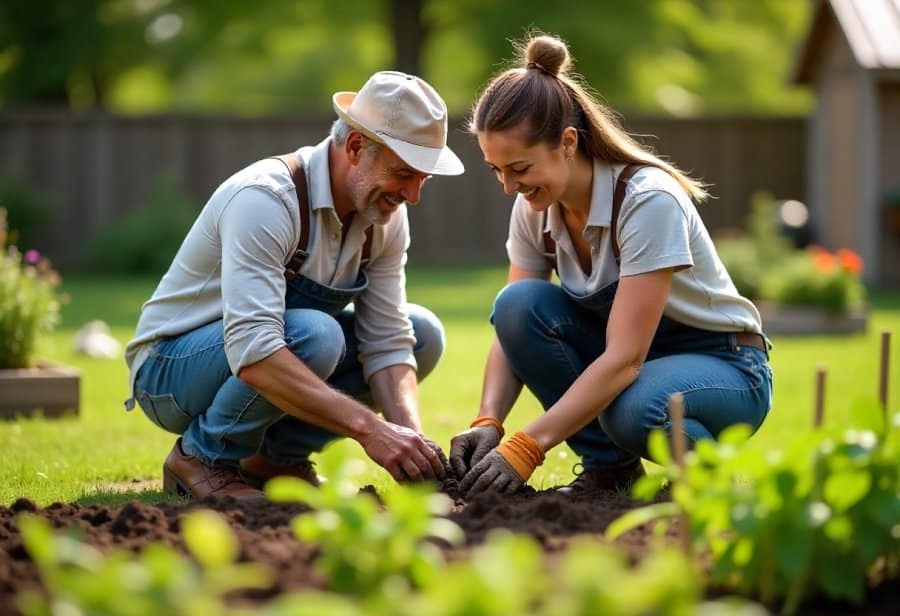
Gardening is more than just a way to grow plants; it’s a meaningful pathway to strengthening relationships and fostering healing. When we work side-by-side in nature’s gentle rhythm, patience, trust, and understanding naturally deepen—foundations that support lasting bonds. The act of tending to a garden together creates opportunities for honest conversations and mutual support, often reaching places words alone can’t access. In a world increasingly dominated by screens and superficial interactions, planting and caring for a garden side-by-side serves as a gentle reminder of our innate capacity for genuine connection through simple, deliberate acts.
The real power of shared gardening lies in nurturing not only plants but also hearts. Each moment spent planting, watering, or harvesting becomes a ritual of care that promotes patience and cooperation. These routines, though small, become the quiet acts of love that foster a sense of shared purpose and accomplishment. Over time, they transform into meaningful experiences that bolster emotional resilience, especially during challenging times. Tending a garden together becomes a silent yet profound way to support one another, cultivating trust and compassion with every seed sown and every leaf nurtured.
Research and stories from those who garden together highlight how this activity can reduce stress, lift moods, and create a sense of belonging. The tangible act of caring for something alive shifts focus away from worries, imparting a calming effect that benefits everyone involved. When shared with others, these benefits multiply, turning gardening into a daily act of connection. Whether in a backyard, balcony, or community plot, these routines of shared effort remind us that nurturing life is also a way to nurture each other—building bonds that are resilient and meaningful.
By embracing gardening as a tool for connection, we’re encouraged to slow down and be fully present. Patience, cooperation, and openness become natural byproducts of these shared efforts, deepening trust without the need for elaborate words. These acts of care—planting a seed, watering a row—become gestures of love and attention, leaving a lasting imprint on our relationships. In cultivating a garden together, we plant the seeds of trust and understanding that can flourish long after the last sprout.
Looking ahead, making space for shared gardening in our lives offers a simple yet profound way to rebuild emotional resilience and community. Whether through family projects, neighborhood initiatives, or personal routines, these moments of tending and growth foster a sense of belonging and purpose. They serve as gentle anchors in times of stress or disconnection, reminding us that caring for something together can restore our bonds and nourish our well-being. Gardening, with its timeless simplicity, continues to be a quiet but powerful path to healing and deeper connection—one seed at a time.
 patB
patB  quinW
quinW  prestonT