
What if the greatest obstacle to learning to swim isn’t water itself, but the fear of taking that first courageous step? ‘Dare to Dive’ explores how anyone, regardless of age, can transform anxiety into confidence through gentle, supportive approaches. From small acts like dipping toes or floating supported, to mastering breath control and safety basics, this journey emphasizes patience and persistence. The narrative reveals that building trust in water is a gradual process, where each tiny victory—supported by encouraging instructors and friends—shifts perception from fear to freedom. As readers discover practical steps and mental strategies to overcome swimming anxiety, they’re invited to imagine a future where water becomes a source of joy, safety, and empowerment. With ongoing innovations and inclusive practices, the path toward lifelong water confidence is more accessible than ever—reminding us that it’s never too late to dive in and transform fears into lifelong skills.
Discover the Transformative Power of Lifelong Water Learning
Learning to swim at any age is more than just acquiring a new skill; it’s a personal journey that can reshape how you see yourself and your capabilities. For many adults, the idea of stepping into water, especially after years of avoiding it, can feel intimidating. Yet, taking that first step—whether it’s dipping toes into the shallow end or trusting an instructor—can unlock a surprising sense of freedom and confidence that many didn’t think possible. It’s less about perfecting strokes and more about breaking mental barriers that keep us from enjoying water safely and comfortably.
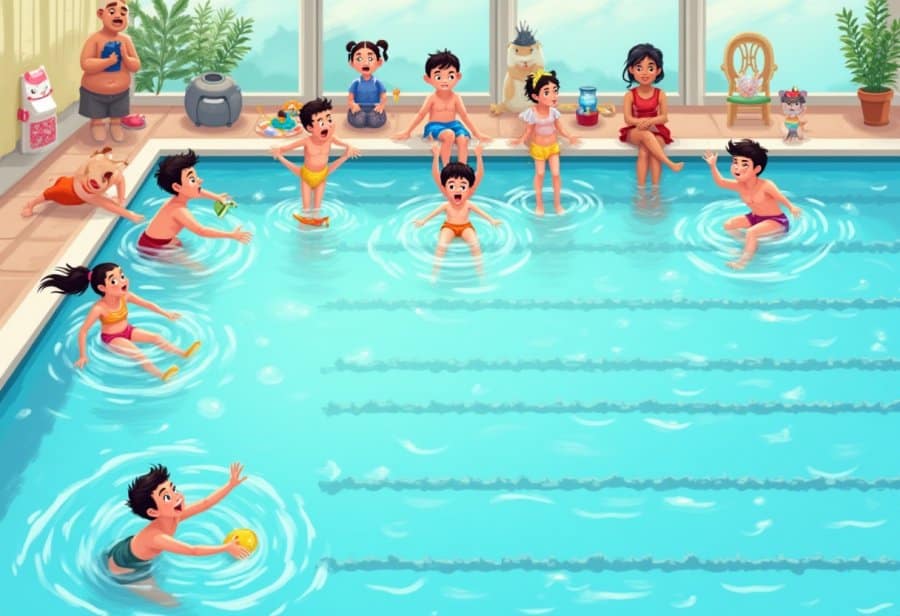
This process begins with small, manageable acts. Sitting at the water’s edge, feeling the coolness on your skin, and taking deep breaths to stay calm are powerful first moves. Repeating simple exercises like splashing or floating with support gradually builds trust in the water environment. Each small victory chips away at fear, turning anxiety into curiosity and even excitement. The journey is unique for everyone, but the common thread is the courage to face water head-on, regardless of age or past experience.
Water fears often stem from concerns about drowning, deep water, or feeling out of control. These fears are natural, but they can be addressed through patience and gradual exposure. Starting with gentle interactions—dipping toes in, splashing, or sitting by the pool—helps ease the mind and body into trusting water. Supportive instructors or practicing with trusted friends provide reassurance and encouragement, making the process less daunting.
Building confidence also involves understanding safety basics. Learning how to enter and exit the pool properly, recognizing water depth, and staying within safe zones are essential steps. Using flotation aids like kickboards or arm floats offers extra support, helping you feel more secure while exploring movement and breathing exercises. These tools create a safe space for progress, reducing anxiety and helping you develop a sense of control.
Breath control is another key element. Practicing steady, rhythmic breathing keeps you relaxed and can prevent panic. When you learn to breathe calmly while floating or submerged, water becomes less overwhelming. These foundational skills set the stage for more advanced techniques and foster a mental environment where water is seen as safe, not threatening.
Learning to swim isn’t about instant mastery but building trust and comfort over time. Every small step—sitting at the edge, floating, or taking your first strokes—adds to your confidence. Supporting yourself with patience, persistence, and encouragement turns water from an obstacle into an opportunity. This journey of lifelong water learning is about more than just swimming; it’s about discovering resilience and expanding your horizons at any age.
Master the Essential Foundations of Swimming Safety and Confidence
Learning to swim involves more than just moving your arms and legs; it’s about understanding water, safety, and gradually overcoming the fears that hold many back. Before diving into strokes, beginners should focus on the essentials: knowing how to stay safe around water, recognizing personal limits, and building trust in the water environment. Simple exercises like controlling your breath, floating, and gentle submersion help reduce anxiety and foster a sense of security. These foundational skills set the stage for more advanced techniques and make the process of learning less intimidating.
Many water fears come from concerns about drowning, deep water, or feeling out of control. These fears are natural, but they can be addressed with patience and gradual exposure. Starting small—sitting at the pool’s edge, dipping toes in, splashing water on your face—helps ease the mind and body into trusting water. Repeating these gentle encounters gradually diminishes anxiety, building confidence with each experience. Having a supportive instructor or practicing with trusted friends provides reassurance and encouragement, making progress feel safer and more manageable.
Basic water safety is crucial from the start. Learning how to enter and exit the pool correctly, understanding water depth, and recognizing safe zones are essential skills. Using flotation devices like kickboards or arm floats offers extra support, helping you feel more secure while practicing. These tools create a safe environment for exploration, reducing fears of sinking or losing control. Remember, staying within supervised areas and never swimming alone are vital safety measures that help you develop confidence without unnecessary risks.
Breath control plays a key role in building water confidence. Practicing steady, rhythmic breathing keeps you relaxed and prevents panic. When you learn to breathe calmly while floating or submerged, water feels less overwhelming. These skills help you conserve energy and stay calm, laying a solid foundation for further progress. As comfort grows, you’ll find it easier to explore more complex movements, but always at your own pace, respecting your limits.
Building trust in the water is a gradual process. Every small step—whether it’s sitting at the edge, floating, or taking your first strokes—contributes to your confidence. Support from qualified instructors and the presence of trusted friends make a big difference, providing reassurance and motivation. Patience and persistence are key; water confidence doesn’t develop overnight. Instead, it’s built through consistent effort and positive experiences, transforming water from an obstacle into a safe, enjoyable space.
Ultimately, learning to swim is about creating a mental environment where water is seen as a friend rather than a foe. With the right knowledge, safety awareness, and gentle practice, anyone can build a strong foundation that leads to lifelong water confidence. These early steps are vital—they shape how you approach water in the future and open the door to new adventures and a sense of freedom in every splash.
Conquer Anxiety with Proven Mental Strategies and Gentle Progress
Overcoming swimming anxiety begins with mental strategies that reshape how you view water and your own abilities. Visualization is a powerful tool—picture yourself swimming with calm confidence, feeling in control and at ease. This mental rehearsal can reduce fear and set a positive tone before you even step into the pool. Pairing visualization with deep, controlled breathing further calms your nervous system, helping to manage panic if discomfort arises. These habits gradually rewire your response to water, turning it from a source of dread into an environment you can enjoy.
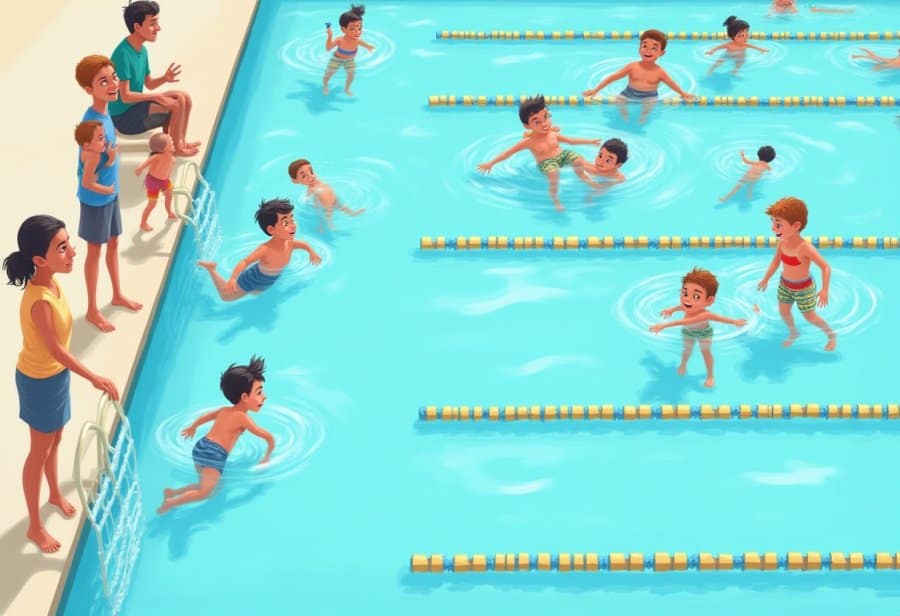
Breaking the process into small, manageable steps is essential. Instead of rushing into deep water or complex strokes, focus on simple acts like sitting at the edge, dipping toes in, or floating supported by a floatation device. Each little success reinforces your confidence, making subsequent steps feel less intimidating. As you become more comfortable, gradually introduce face submersion and breathing exercises, always within your comfort zone. This incremental approach prevents overwhelm and helps your mind associate water with safety rather than fear.
Having a supportive environment dramatically influences your progress. Working with patient, encouraging instructors or practicing with trusted friends creates a sense of safety and reassurance. Celebrating small victories together helps you stay motivated and builds trust in your abilities. When you feel supported, confronting water fears becomes less daunting, shifting your focus from avoidance to exploration. This positive reinforcement makes it easier to accept setbacks as part of the learning curve, not as failures.
Research confirms that a gentle, step-by-step approach is highly effective. Many adults who once feared water now swim confidently after consistent practice and support. This method rewires your brain’s response, replacing panic with familiarity. Confidence in water doesn’t develop overnight; it’s built through persistence and patience. Each small step, each moment of calm, strengthens your trust in yourself and your environment, gradually transforming water from a threat into a space of possibility.
Accepting setbacks as normal is crucial. Progress isn’t linear, and moments of doubt or frustration will happen. The key is to keep showing up and to celebrate every tiny victory—whether it’s floating unsupported or taking a breath underwater. These milestones are the building blocks of lasting change. Remember, conquering swimming anxiety isn’t about perfection but consistent effort and self-compassion. With time, your relationship with water will shift from fear to confidence.
As your comfort grows, mental tools like visualization and mindful breathing remain your best allies. They help you stay grounded during challenging moments and reinforce a sense of control. Over time, these strategies become second nature, enabling you to handle increased anxiety or unfamiliar situations with calm and focus. With patience and persistence, even the most daunting water fears can be replaced by confidence, opening up a lifelong world of swimming and water enjoyment.
Take Action Now with Practical Steps to Jumpstart Your Swimming Journey
Starting your water confidence journey doesn’t need to be complicated or overwhelming. The key is to break it into small, manageable steps that gradually build your comfort and trust in the water. Begin in a quiet, shallow pool during off-peak hours where you feel less pressured. Sitting at the water’s edge and dipping your toes in might seem simple, but it’s a powerful first move to familiarize yourself with the water’s texture and temperature without feeling exposed.
From there, focus on gentle interactions like splashing or floating with support. These actions help you feel weightless and in control, slowly reducing your fears. Celebrate every small success, whether it’s floating unsupported for a few seconds or taking a deep breath underwater. Each of these moments builds confidence and makes the water less intimidating. Practicing regularly, even for just a few minutes, makes each step more natural and less daunting.
Support from a qualified instructor or a trusted friend can significantly boost your progress. They can guide you through initial steps, provide reassurance, and help you stay safe. Having someone by your side makes it easier to relax and focus on your progress without the fear of making mistakes. Remember, everyone learns at their own pace, and setbacks are part of the process. Consistency and patience are your best allies.
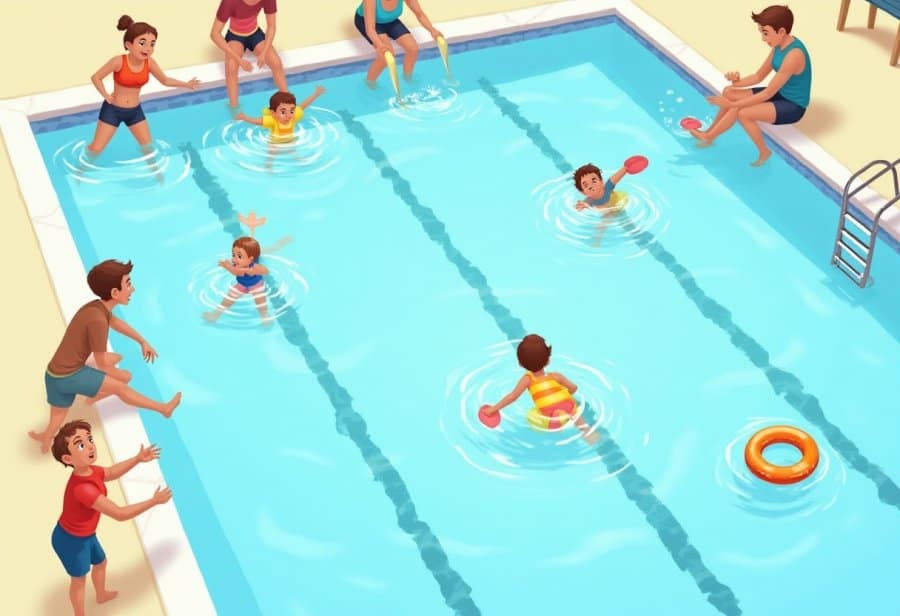
Using supportive tools like kickboards or flotation devices can also make a difference. These aids provide extra reassurance as you work on basic movements or breathing exercises. They allow you to explore new skills while feeling secure, reducing the fear of sinking or losing control. As your confidence grows, you can gradually try short swims or independent floating, but always within a supervised, safe environment.
Safety should always come first. Always swim in designated, supervised areas and never go alone, especially in the beginning. Learning proper entry and exit techniques, understanding water depth, and respecting your limits create a safe space for growth. Avoid rushing into deep water or attempting advanced strokes before you’re ready. Building a solid foundation of safety and comfort ensures your water confidence develops naturally and sustainably.
Remember, building water confidence is a gradual process. Each small step—whether it’s sitting at the edge, floating, or trying your first strokes—contributes to your progress. Patience and persistence matter more than speed. Over time, these positive experiences will make swimming feel less like an obstacle and more like an enjoyable part of your life. By taking supportive, deliberate actions today, you’re opening the door to a lifelong relationship with water that’s safe, empowering, and fun.
Embrace Your Progress and Look Forward to a Water-Filled Future of Confidence
Building water confidence is a journey rooted in patience, persistence, and a willingness to embrace small victories. Each step forward—whether it’s dipping toes in the water, floating supported, or taking a first unassisted stroke—adds to a foundation of trust and self-assurance that can last a lifetime. Recognizing that progress isn’t always linear helps maintain motivation; setbacks are simply part of the process, not failures. Celebrating even the tiniest successes fuels continued effort and deepens your belief that water can be a safe, enjoyable space.
Looking ahead, the landscape of lifelong water confidence is increasingly inclusive and innovative. New teaching methods and community initiatives are making swimming more accessible for everyone, regardless of age or background. Technologies like virtual reality training and personalized coaching are emerging, offering tailored support that accelerates learning and builds confidence faster. These advancements create more opportunities for individuals to discover the joy and safety of water, transforming fears into lifelong skills.
The stories of adults and seniors who learn to swim later in life serve as powerful reminders that it’s never too late to start. With the right mindset, support, and consistent practice, barriers that once seemed insurmountable can be overcome. Developing water confidence not only enhances safety and independence but also opens doors to new adventures, social connections, and healthier lifestyles. Each new experience in the water reinforces that growth is possible at any age, and that the journey itself can be deeply rewarding.
As the culture around swimming becomes more welcoming and diverse, more people are encouraged to take that first courageous step. This shift fosters a community where fears are acknowledged, progress celebrated, and everyone’s journey respected. Building water confidence isn’t just about mastering strokes; it’s about cultivating a mindset of resilience and curiosity that ripples beyond the pool. The confidence gained in water can empower you to face challenges across all areas of life with renewed strength.
Every effort you invest in your water confidence journey contributes to a broader story of personal growth. The small victories—like floating unsupported or taking a breath underwater—are the building blocks of a new relationship with water. They help reshape perceptions, replacing fear with a sense of possibility. Over time, these experiences create a positive cycle that encourages continuous learning, exploration, and enjoyment in water-related activities.
Remember, your progress is unique, and there’s no fixed timeline. The key is to stay consistent, be patient with yourself, and keep a focus on the joy of discovery. The confidence you develop in the water extends far beyond the pool, influencing your outlook on challenges and new opportunities. Each splash becomes a symbol of your resilience and willingness to grow, no matter your age.
The future of water confidence is bright, promising more inclusive access and innovative tools to support learners at every stage. With ongoing efforts to break down barriers and foster supportive environments, more people will find themselves empowered to start swimming today. The path might be gradual, but it’s paved with every small step you take—each one bringing you closer to a life enriched by water’s freedom and fun. Your next chapter of growth begins now, with confidence just a splash away.
 lissyY
  yvieN
yvieN  ronT
ronT