
Learning to ride a bike signifies more than mastering a skill; it embodies courage, perseverance, and the deep bonds of family support. Each wobble and fall becomes a stepping stone toward independence and confidence. But does the fear of falling outweigh the thrill of riding solo? This heartwarming journey reveals that setbacks are natural and essential parts of growth, reinforced by patience and encouragement from loved ones. As children learn balance, pedaling, and steering, they also develop resilience and emotional strength—traits that extend beyond the bike. With safe environments and positive reinforcement, families turn these moments into lifelong memories and lessons about trust, effort, and joy. In a world increasingly filled with technological aids, the timeless act of learning to ride still teaches vital life skills. Could every fall, then, be the beginning of a journey toward self-reliance and adventurous spirit? The answer lies in how we support and celebrate each wobble along the way.
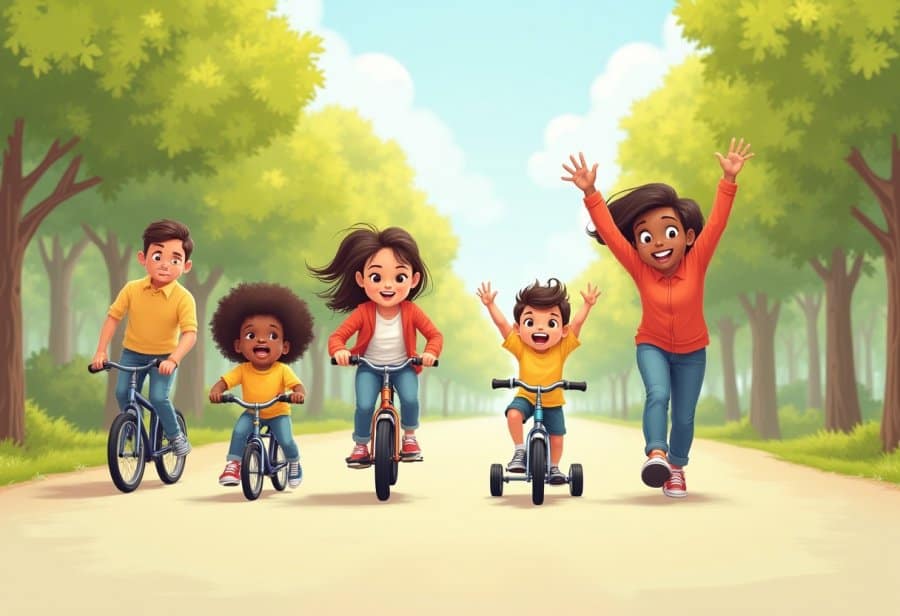
Celebrate the Milestone: Learning to Ride as a Symbol of Courage and Family Bonding
Learning to ride a bike is more than just picking up a new skill; it’s a milestone filled with meaning for children and their families. It symbolizes more than moving forward on two wheels—it’s a rite of passage that embodies courage, independence, and growth. For kids, every wobble and fall becomes a stepping stone toward self-reliance, teaching them that they can overcome fears and push past boundaries. For parents, helping a child learn to ride often turns into a shared adventure, full of patience, encouragement, and pride that strengthens family bonds.
This journey isn’t solely about physical coordination. It’s about building confidence and resilience that extend beyond the bike itself. When children learn to balance, pedal, and steer, they gain a sense of control over their body and their environment. These moments of achievement—no matter how small—foster a mindset of perseverance and trust in their own abilities. Family support plays a crucial role here: holding the bike steady, offering kind words, and celebrating every effort helps create a safe space where children feel empowered to try again after setbacks.
The process often begins with simple steps—like balancing on a bike or using a balance bike—before progressing to pedaling and steering. These foundational stages help children develop trust in their own sense of balance and control. Practice should be relaxed and positive, emphasizing progress over perfection. Celebrating small wins, such as gliding a few meters or making a gentle turn, keeps motivation high and turns learning into a joyful experience. Patience from parents and caregivers ensures that children stay engaged and confident throughout their riding journey.
Every fall, wobble, and stumble is part of the process, not a sign of failure. Kids learn resilience by embracing these moments, understanding that mistakes are natural steps toward mastery. When families foster a supportive environment—offering steady guidance and celebrating effort—they help children develop the courage to keep trying. These shared experiences of perseverance and achievement lay the groundwork for a lifelong love of cycling and a deeper bond between parents and children.
Learning to ride a bike is about more than mastering a skill. It’s a journey that teaches courage, patience, and the importance of family support. These lessons stay with children long after they’ve mastered pedaling. They shape confident, resilient individuals who are ready to face new challenges with a sense of adventure and trust in themselves. In the end, every wobble and fall is just a small part of a bigger story—one of growth, connection, and the joy of taking that first solo ride.
Building Foundations: Essential Steps to Teach a Child to Ride
Teaching a child to ride a bike involves breaking down the process into manageable steps that build confidence and skill gradually. The first priority is helping kids develop a sense of balance, which is the foundation for everything that follows. Many parents start with a balance bike or remove pedals from a traditional bike, allowing children to focus solely on staying upright. This approach helps them feel the bike beneath them and trust their own ability to maintain equilibrium without the added challenge of pedaling.
Once they’re comfortable balancing, the next step introduces pedaling and steering. This phase encourages coordination between hands and feet, teaching kids how to control their speed and direction. Short, positive practice sessions are key—celebrating small successes like gliding smoothly or making gentle turns keeps motivation high and cultivates a sense of achievement. Patience and encouragement are essential, as mastery of these skills often comes through consistent, relaxed practice rather than rushing.
As confidence grows, children begin to combine pedaling, steering, and balancing simultaneously. This stage is typically the most challenging, but with supportive guidance, kids learn to navigate their environment more independently. Celebrating each small milestone, such as riding a few meters without wobbling, reinforces their progress and keeps enthusiasm alive. Falls and wobbles are natural parts of this phase—viewing them as opportunities to learn rather than setbacks helps children develop resilience and a positive attitude toward trying again.
Family support is vital throughout these stages. Holding the bike steady during initial attempts, offering words of encouragement, and maintaining a calm, patient attitude create a safe space for kids to experiment and learn. When children feel supported, they’re more willing to take risks and push past their fears. Proper bike fit and safety gear, like helmets and pads, also boost confidence and security, making the learning process smoother and more enjoyable.
Creating a safe, open environment for practice—such as a driveway or park path—helps children focus on developing their skills without distractions. Setting small, achievable goals during each session, like riding to a specific point or making a turn, gives children clear targets. Celebrating these achievements builds their confidence and encourages continued effort. Patience remains crucial, as every child progresses at their own pace, and consistent support fosters a love for riding that can last a lifetime.
In the end, teaching a child to ride a bike is more than just mastering balance and pedaling—it’s about nurturing independence, resilience, and a sense of adventure. With steady guidance, patience, and plenty of encouragement, children learn that falling is simply part of the journey toward confidence. Each wobble and stumble becomes a stepping stone, and before long, they’ll be pedaling away, proud and ready for new challenges.
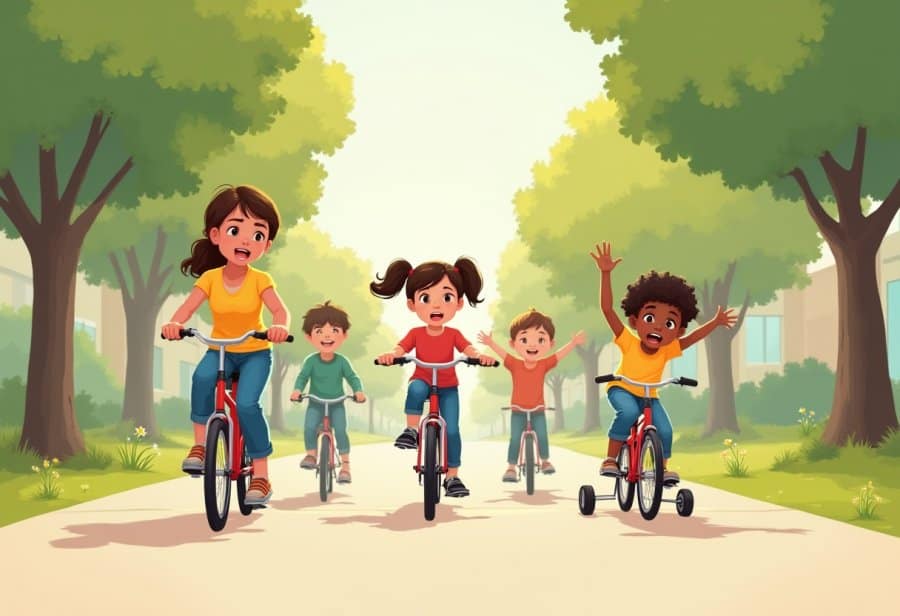
Unlocking Potential: The Psychological and Physical Factors in Learning to Ride
Learning to ride a bike is as much a mental challenge as it is a physical one. Confidence plays a crucial role; children who believe they can succeed are more likely to persevere through inevitable wobbling and falls. When anxiety or fear of falling take hold, progress slows, and children may become hesitant to try again. That’s why reassurance from parents and caregivers is essential—helping kids develop a positive mindset about their abilities. Encouragement turns setbacks into stepping stones, fostering resilience and a growth-oriented attitude.
Physically, building core strength and balance is fundamental. Supportive exercises, like practicing on balance bikes or doing simple balance drills, help children develop stability. But mental readiness matters just as much. Kids need to be willing to take risks, push through discomfort, and trust their own judgment. Creating a safe environment for experimentation, free from threats of injury, helps develop resilience and confidence. When children feel secure, they are more inclined to explore and learn from their experiences.
Emotionally, riding a bike involves excitement mingled with nervousness. Kids who sense they are supported tend to view challenges as opportunities rather than obstacles. Feeling that effort is valued encourages them to try new skills, even if it means wobbling or falling. Conversely, pressure or negative feedback can foster anxiety and discourage persistence. Recognizing these emotional cues allows parents to reinforce effort over perfection, nurturing a mindset that embraces learning as a process.
Progress doesn’t follow a straight line. Some days, children ride with confidence; other days, wobbling and hesitation take over. This variability is natural. A supportive environment that celebrates small victories—like riding a few meters longer or maintaining balance through a turn—keeps motivation high. When children see their efforts valued, their belief in their abilities grows, fueling further attempts and improvements.
Understanding the psychological and physical factors at play helps us better support children throughout their learning. Confidence, resilience, and emotional safety are intertwined with physical skill development. When children feel secure, encouraged, and proud of their progress, they’re more willing to face setbacks and try again. This balance between mental and physical growth accelerates their ability to ride confidently and enjoy the journey.
As children gain mastery over balance and coordination, they experience the thrill of independence. This surge in confidence proves that their efforts are paying off. Recognizing how the mind and body work together in this process allows caregivers to tailor their support, making learning to ride more enjoyable and less frustrating. The psychological shifts—overcoming fears and trusting oneself—are what turn a tentative wobble into a genuine sense of achievement and joy.
Supporting this process means fostering a mindset that views mistakes as part of growth. Every fall isn’t a failure but a step toward mastery. Teaching children to see setbacks as opportunities builds resilience and perseverance. When families celebrate effort rather than perfection, children internalize that persistence and patience lead to success, both on the bike and in life. This mindset prepares them for future challenges that require similar courage and tenacity.
Ultimately, learning to ride a bike is a holistic journey. It’s about developing confidence, resilience, and trust—both in oneself and in the support system around them. When children feel emotionally safe and physically capable, they’re more likely to embrace challenges and enjoy the ride. The wobble, the fall, and the triumph all become part of a bigger story—one of growth, perseverance, and the pure joy of taking that first solo pedal.
From Practice to Adventure: Applying Cycling Skills in Real Life
Once children have grasped the basics of balancing, pedaling, and steering, the next step is to put those skills into real-world practice. Starting in familiar, safe environments like a driveway, park path, or quiet street helps children build confidence without the added pressure of traffic or obstacles. These settings allow them to focus on riding and mastering their movements, making the experience more enjoyable and less intimidating.
Encouraging reflection after each ride helps kids recognize their progress. Asking simple questions like “What was easy today?” or “What was tricky?” encourages them to think about their experience. Celebrating small successes, such as riding a little farther or maintaining balance longer, boosts their confidence and motivates them to keep trying. Turning each ride into a mindful activity helps children see their growth, making practice feel rewarding rather than frustrating.
Establishing a regular practice routine reinforces skills and develops good habits. Whether daily or several times a week, consistent riding sessions help children develop a sense of rhythm and familiarity. Setting small, achievable goals during these sessions—like riding to a specific spot or making a turn—gives them clear targets. Meeting these milestones provides a sense of accomplishment, encouraging them to push further and embrace new challenges.
Safety remains a priority as children venture outside. Ensuring the riding area is free of obstacles and traffic minimizes falls and injuries. Properly fitting helmets, knee and elbow pads, and bikes suited to their size boost their sense of security. Reinforcing safety routines, such as checking the bike before riding, helps instill habits that keep kids safe and confident. When children feel secure, they’re more willing to explore and take on new riding adventures.
Supporting independence during longer rides is essential. Initially, parents might hold the bike for balance, then gradually reduce assistance as confidence grows. Offering encouragement and gentle guidance helps children internalize their skills without feeling pressured. Celebrating each success, whether it’s riding a few meters or navigating a turn, reinforces their progress. Patience and consistent support are key, as every child learns at their own pace.
Sharing in these moments of achievement deepens the bond between parents and children. Taking pictures of their first solo ride or celebrating milestones together creates lasting memories. Recognizing their efforts encourages a positive attitude toward riding, turning it into a source of pride and joy. When kids feel supported and appreciated, they’re more likely to set new goals and enjoy continued practice.
Incorporating riding into everyday routines makes cycling a natural part of life. Family bike rides or trips to the park help solidify skills in different settings, boosting confidence and independence. As children become more comfortable, they start to see cycling as more than just a skill—it becomes a fun way to explore, stay active, and connect with loved ones. This ongoing engagement nurtures a lifelong love of riding and resilience, making every wobble and fall just a step toward mastery.
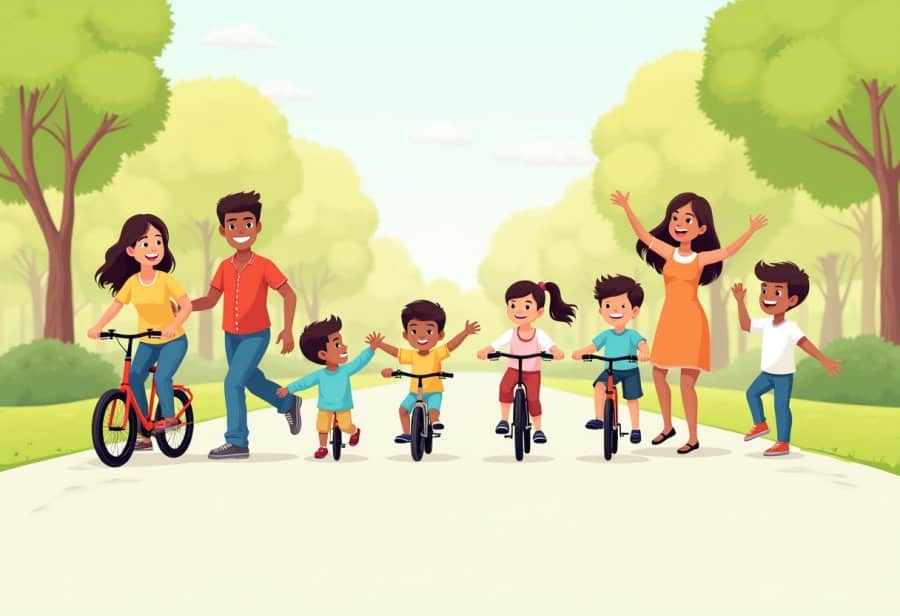
Reflecting on Growth: Future Possibilities and Lifelong Lessons from Learning to Ride
Learning to ride a bike is a milestone that stays with us long after childhood. It’s more than just balancing and pedaling; it’s about fostering confidence, resilience, and independence that shape how we face new challenges throughout life. As technology advances, exciting tools like smart bikes and interactive apps offer new ways to support young learners, making the process safer and more engaging. These innovations can help children overcome fears more quickly and enjoy the journey of learning with extra encouragement, but the core lessons remain unchanged.
The foundation of learning to ride is built on perseverance and emotional safety. Teaching children that setbacks—like wobbling or falling—are natural steps toward mastery encourages a growth mindset. When families celebrate effort rather than perfection, children develop resilience and understand that persistence leads to progress. This mindset not only accelerates their ability to ride confidently but also prepares them for future obstacles, both on and off the bike.
Community and environment play a vital role in shaping the riding experience. With cities becoming more bike-friendly and communities investing in safe, accessible routes, children have more opportunities than ever to practice in environments that promote exploration and independence. These settings help foster a love for cycling, making it a routine activity that integrates seamlessly into daily life, whether for commuting, play, or family outings.
Looking ahead, innovations like virtual or augmented reality could transform how kids learn to ride. Indoor practice with immersive technology might reduce fears and make learning more inclusive, especially for children who struggle with traditional methods. Such tools can help break down barriers, ensuring every child feels confident to take those first wobbly steps and eventually pedal away on their own.
The process of learning to ride also teaches a broader lesson about patience and embracing mistakes as part of growth. Every fall isn’t a sign of failure but a stepping stone toward confidence. When families focus on effort and celebrate small wins, children learn that setbacks are simply part of the journey—fueling their perseverance and teaching them that persistence ultimately pays off.
As children master their balance and coordination, they experience the true thrill of independence. This surge in confidence proves that effort is rewarding. Recognizing how the mind and body work together helps caregivers tailor their support, making the learning process more enjoyable and less frustrating. The wobble, the fall, and the triumph all weave into a bigger story of growth, connection, and the joy of taking that first solo ride.
In the end, learning to ride a bike isn’t just about cycling—it’s about developing a resilient mindset that can handle life’s many challenges. It’s a simple activity rooted in patience, support, and joy, shaping confident, adventurous individuals. Supporting children through their wobbling steps and celebrating their progress ensures that cycling remains a source of lifelong confidence, resilience, and happiness.
 yvieN
yvieN  patB
patB  quinW
quinW