
Permeable pavers are revolutionizing urban flood prevention by allowing rainwater to naturally seep into the soil, reducing surface runoff and easing pressure on stormwater systems. But can this innovative solution truly address the escalating climate challenges faced by growing cities? These eco-friendly surfaces not only mitigate flooding and support groundwater recharge but also enhance urban aesthetics and environmental health. As cities grapple with unpredictable storms and rising flood risks, permeable paving emerges as a critical tool for building resilient communities. While initial costs and maintenance pose challenges, ongoing advances in materials and smart technology promise greater durability and efficiency. Could widespread adoption transform urban landscapes into healthier, more sustainable spaces? The future of flood management hinges on embracing these nature-inspired solutions—integrating science, policy, and community engagement—to create cities that thrive amid environmental uncertainties.
Article Contents
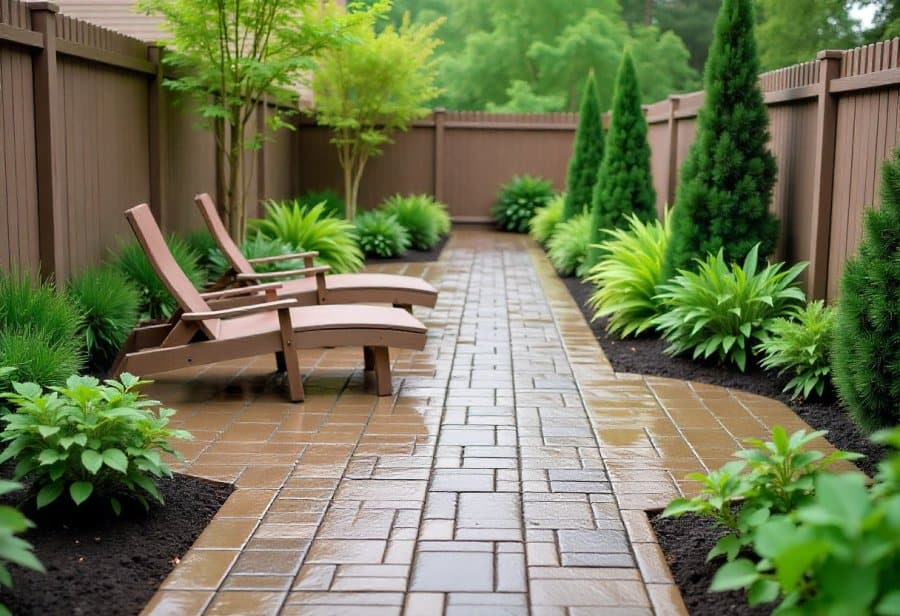
Transforming Urban Flood Prevention with Permeable Pavers
Permeable pavers are transforming how cities handle heavy rainfall and urban flooding. Unlike traditional concrete or asphalt, these specially designed surfaces let rainwater pass through, naturally seeping into the soil below. This process significantly reduces surface runoff, which is a primary cause of flooding in many urban areas. When rainwater can drain into the ground instead of pooling on paved surfaces, it eases the burden on stormwater systems and keeps streets clearer during storms.
This approach offers a practical, eco-friendly way to manage stormwater. By allowing rain to infiltrate through permeable pavers, cities can recharge groundwater supplies and help filter out pollutants from runoff. This not only prevents flooding but also supports healthier ecosystems and promotes sustainable urban growth. As climate change brings more unpredictable weather and intense storms, solutions like permeable paving become vital for building resilient cities.
Managing urban flooding involves more than just keeping streets dry. Flooded streets can cause property damage, disrupt daily life, and pose safety risks. Excess water can lead to soil erosion, contaminate water sources, and harm local habitats. Implementing permeable paving helps mitigate these issues by letting rainwater soak into the ground, reducing runoff and supporting ecological health.
Proper installation and maintenance are key to maximizing the benefits of permeable pavers. They require a well-prepared base—often a compacted gravel or crushed stone layer—to ensure effective water flow. Geotextile fabrics are typically used to prevent soil mixing, while joints filled with sand or small gravel help maintain permeability. When installed correctly, these systems can significantly cut down surface runoff, making urban areas safer and more sustainable.
Across different regions, the use of permeable pavers varies based on climate, urban design, and environmental priorities. European cities like Amsterdam and Berlin favor permeable surfaces in pedestrian zones and parking areas, appreciating their durability and aesthetic fit. In the U.S., cities like Portland and San Francisco incorporate permeable paving into green initiatives for stormwater management. Meanwhile, densely populated Asian cities like Tokyo and Singapore utilize permeable surfaces to address heavy rainfall and limited space, integrating them into high-rise developments and public spaces.
While permeable pavers offer clear advantages, some concerns remain, mainly regarding costs and ongoing maintenance. They tend to be more expensive upfront compared to traditional materials, and their performance depends on regular upkeep—like clearing debris and replenishing joint materials—to prevent clogging. Still, ongoing innovations in materials and installation methods are improving their durability and affordability, making permeable paving an increasingly viable solution for cities aiming to enhance flood resilience and sustainability.
Tracing the Evolution of Permeable Pavements: From Roots to Modern Innovation
The development of permeable paving technologies has roots that stretch back several decades, driven by a need to find smarter, more sustainable ways to manage stormwater in rapidly growing cities. Early solutions were simple and primarily experimental—using gravel surfaces or permeable concrete that allowed rainwater to seep through and be absorbed into the ground. These basic approaches aimed to mimic natural water absorption, preventing water from pooling on streets and sidewalks during storms. While primitive, they laid the groundwork for more sophisticated systems to follow.
As urban populations expanded and environmental concerns gained prominence, the limitations of these initial methods became clear. Gravel and early permeable concrete lacked the durability needed for heavy traffic or harsh weather, prompting engineers and researchers to explore new materials. This search led to the creation of specialized permeable pavers made from porous concrete, eco-friendly aggregates, and rubber composites. Designed to support urban demands while facilitating water infiltration, these innovations marked a significant leap forward.
Technological advances over time greatly improved the performance and versatility of permeable paving systems. Modern materials now offer higher water infiltration rates, greater resistance to wear, and better durability against weathering. Modular paving systems, which are easier to install and maintain, gained popularity and expanded the range of applications—from sidewalks and parking lots to plazas and green spaces. These improvements helped cities recognize permeable pavers as practical, long-lasting solutions for urban water management.
The influence of large-scale projects and supportive policies played a crucial role in this evolution. Cities like Portland, Oregon, and parts of the Netherlands pioneered extensive use of permeable paving in public spaces, often motivated by environmental goals and flood risk reduction. Government incentives, grants, and regulations increasingly mandated or encouraged the adoption of permeable surfaces, shifting perceptions from niche innovation to mainstream infrastructure. This policy-driven momentum helped permeable paving become a central component of sustainable urban planning.
Today, permeable pavers are integral to modern cityscapes around the world, demonstrating a successful blend of innovation and necessity. Ongoing advancements in materials science continue to enhance their durability, cost-effectiveness, and ease of maintenance. As climate change intensifies weather extremes and urban areas seek resilient solutions, the evolution from simple gravel surfaces to sophisticated permeable systems exemplifies how technology adapts to meet evolving environmental challenges.
Looking forward, continuous innovation promises even more durable, affordable, and intelligent permeable paving options. New materials and smart systems with embedded sensors could offer real-time monitoring of permeability and maintenance needs, making these solutions more accessible and reliable. This ongoing progress ensures that permeable paving will remain a vital tool in creating resilient, sustainable cities that can better withstand the impacts of climate change and urban growth.
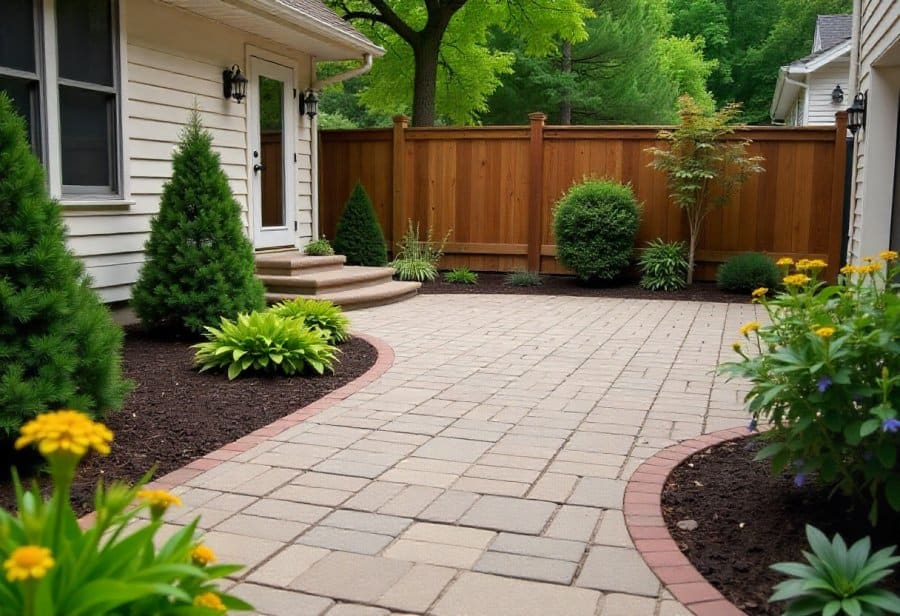
Current Trends: How Permeable Pavers Combat Flooding in Cities Today
Today, permeable pavers are increasingly common in urban landscapes as cities seek sustainable solutions to stormwater management and flood reduction. These surfaces come in a variety of forms — from porous concrete and interlocking modular systems to rubberized options — all designed to maximize water infiltration while supporting both pedestrian and vehicular traffic. Many municipalities are installing permeable paving in sidewalks, parking lots, and public plazas, recognizing their practical benefits and visual appeal.
Proper installation is crucial for optimal performance. It begins with a well-prepared base, usually a compacted gravel or crushed stone layer, which provides stability and promotes effective water flow. Geotextile fabrics are often laid beneath to prevent soil mixing, while joints filled with sand or small gravel help maintain permeability and prevent clogging. When installed correctly, these systems allow rainwater to pass through the surface and infiltrate the soil below, significantly reducing surface runoff and lowering flood risks.
Across different regions, the use of permeable pavers varies depending on climate, urban design preferences, and environmental priorities. Cities like Amsterdam and Berlin favor permeable surfaces in pedestrian zones and parking areas, valuing their durability and aesthetic compatibility with historic architecture. In the United States, cities such as Portland and San Francisco incorporate permeable paving into broader green infrastructure initiatives, aiming to manage stormwater more sustainably. Meanwhile, densely populated Asian cities like Tokyo and Singapore utilize permeable surfaces to address heavy rainfall and limited space, integrating them into high-rise developments and public spaces.
Despite their many advantages, some concerns about permeable pavers still exist. Upfront costs tend to be higher than traditional concrete or asphalt, which can deter adoption. Their performance heavily depends on regular maintenance, such as debris removal and joint replenishment, to prevent clogging and ensure continuous permeability. Fortunately, ongoing innovations in materials and installation techniques are improving their durability and affordability, making permeable paving an increasingly practical choice.
Policy support plays a significant role in expanding the use of permeable pavers. Many cities now include standards favoring permeable surfaces in new developments, especially in flood-prone zones. Incentive programs, like grants and tax credits, help offset initial expenses and encourage developers to choose eco-friendly options. Building codes are gradually evolving to integrate permeability requirements, further promoting sustainable urban water management.
The broader impact of permeable pavers extends beyond flood mitigation. They help create greener, more inviting spaces that blend functionality with aesthetics. By supporting groundwater recharge and filtering pollutants, these surfaces improve water quality and contribute to healthier ecosystems. Their capacity to alleviate pressure on aging stormwater infrastructure also reduces maintenance costs and extends system lifespan, making cities more resilient against climate extremes.
Looking ahead, technological advances promise to enhance permeable pavers even further. Innovations such as longer-lasting porous materials and smart systems with embedded sensors could enable real-time monitoring of permeability and maintenance needs. Such developments will address current challenges related to cost and upkeep, broadening adoption and ensuring these systems remain a vital part of sustainable urban planning.
As cities continue to adopt permeable paving solutions, they contribute not only to flood risk reduction but also to enhancing urban groundwater levels. Permeable pavers promote groundwater recharge and water filtration, playing a crucial role in maintaining healthy urban water cycles. Exploring innovative designs and materials can further optimize these benefits, ensuring sustainable and resilient city landscapes.
Real-World Impact: Flood Mitigation, Eco-Friendliness, and Aesthetic Enhancements through Permeable Surfaces
Permeable pavers deliver tangible benefits that go beyond aesthetics, making a real difference in flood prevention and environmental health. By allowing rainwater to naturally seep into the soil, they significantly reduce surface runoff, which is often the main cause of street flooding during heavy rains. This means streets stay drier and safer, easing the strain on stormwater systems and decreasing the risk of water pooling on roads and sidewalks. As a result, communities experience fewer flood-related disruptions and property damages, creating safer, more resilient neighborhoods.
One of the most immediate advantages of permeable pavers is their ability to mitigate flooding. Traditional surfaces like concrete and asphalt channel rainwater rapidly into drainage systems, which can become overwhelmed during storms. Permeable paving directs water into the ground, reducing the volume flowing into storm drains. This natural absorption not only lessens flood risks but also helps recharge groundwater supplies and filter pollutants from runoff, supporting a healthier urban ecosystem.
In addition to their flood-control function, permeable pavers enhance the visual appeal of public spaces. They create greener, more inviting environments—whether in parks, plazas, or walkways—that blend functionality with beauty. These surfaces promote community engagement, encouraging outdoor activities and making neighborhoods more attractive places to live. Their aesthetic versatility allows cities to incorporate sustainability seamlessly into urban design, fostering environments that are both practical and pleasing to the eye.
Another key benefit lies in their capacity to support water quality and ecosystem health. Rainwater passing through permeable surfaces filters out sediments, oils, and chemicals before reaching the soil, reducing pollutants in local waterways. This natural filtration process helps maintain cleaner water sources and supports healthier habitats. Moreover, promoting groundwater recharge ensures a sustainable water cycle within cities, especially crucial as climate change leads to more unpredictable and intense storms.
While permeable pavers require proper installation and regular maintenance—such as debris removal to prevent clogging—their long-term advantages outweigh these efforts. When maintained well, they perform reliably, contributing to reduced flooding, improved water quality, and a greener urban environment. As cities continue to seek sustainable solutions, permeable paving stands out as a practical, eco-friendly choice that strengthens community resilience and supports a healthier planet.
Transform Your Toronto Outdoor Spaces with Expert Landscaping Solutions
Discover how Toronto Landscape & Design can elevate your outdoor environment with our comprehensive services, including natural stone installation, water gardens, irrigation systems, and retaining walls. Our award-winning designers take everything into consideration to create a beautiful retreat that complements your property. Whether you’re aiming to reduce backyard flooding or craft a stunning landscape, our team ensures quality and innovation at every step. Serving Toronto residents, we prioritize sustainable and aesthetic solutions tailored to your needs. Contact us at https://TorontoLandscapeDesign.com or call 1.416.644.0499 to start transforming your outdoor space today.
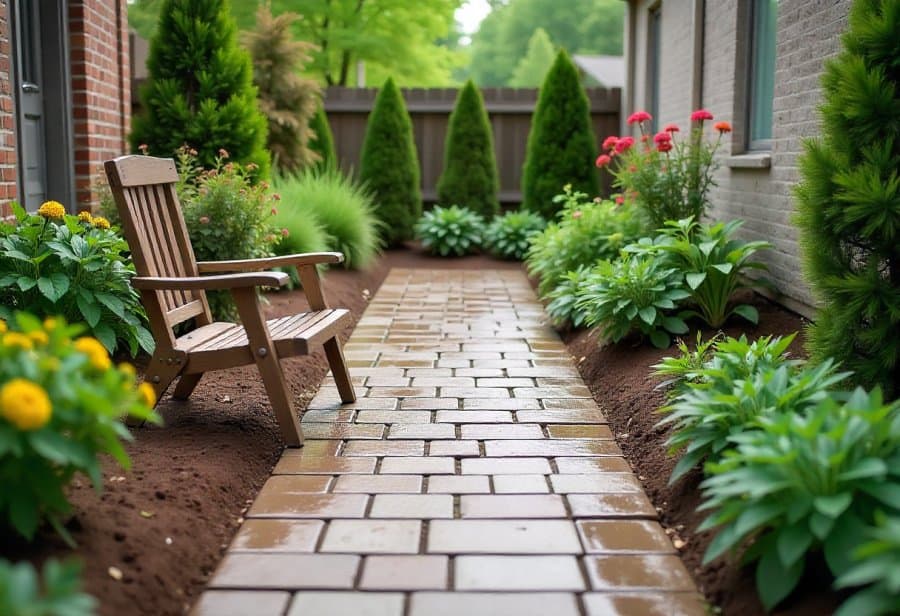
Paving the Way Forward: Future Innovations and the Resilient Urban Future of Permeable Paving
As cities expand and climate change introduces more frequent and intense storms, permeable pavers are becoming an essential tool for urban flood prevention and sustainable development. Their ability to allow rainwater to seep naturally into the soil reduces surface runoff, helping cities manage water more effectively and supporting groundwater recharge. By filtering pollutants and decreasing the burden on stormwater systems, permeable paving helps create resilient urban environments that can better withstand environmental stresses.
Looking ahead, innovations in materials science hold the promise of making permeable pavers even more durable and cost-efficient. New porous concrete formulations and smart paving systems embedded with sensors could enable real-time monitoring of permeability and maintenance needs. Such advancements would address current challenges like higher upfront costs and maintenance demands, making these solutions more accessible and reliable for a wider range of projects.
Policy support will play a crucial role in expanding the use of permeable paving. As awareness grows, regulations and standards are likely to evolve, encouraging or mandating greener infrastructure in new developments and renovations. Incentive programs, including grants and tax credits, can motivate municipalities and developers to adopt permeable surfaces, further integrating them into urban planning. These measures will accelerate the transition toward more sustainable, flood-resilient cities.
The broader impact of adopting permeable pavers extends beyond flood mitigation. They help foster greener, more inviting communities that support healthier ecosystems and water conservation. By reducing runoff, filtering pollutants, and promoting groundwater recharge, permeable surfaces contribute to cleaner waterways and a more balanced urban water cycle. This not only enhances environmental health but also improves the quality of life for residents.
As technology advances, the potential for smarter, more efficient permeable paving solutions grows. Embedded sensors and data-driven maintenance can optimize performance, reduce costs, and extend lifespan. These innovations will make permeability more reliable and easier to manage, encouraging widespread adoption even in regions with challenging climates or high traffic volumes.
Ultimately, integrating permeable pavers into urban landscapes represents a shift toward embracing nature-based solutions that work in harmony with natural processes. This approach supports climate adaptation by making cities more resilient to storms and flooding while fostering sustainable growth. It encourages a rethinking of infrastructure—prioritizing longevity, ecological health, and community well-being over short-term fixes.
Building a future where cities are safer, greener, and more adaptable hinges on continued innovation, supportive policies, and community engagement. As permeable paving becomes a standard component of urban design, its benefits will extend across environmental, economic, and social dimensions. Embracing these solutions today sets the stage for resilient, sustainable cities capable of thriving amid the challenges of tomorrow.
 patB
patB  quinW
quinW  jasmineB