
Cleopatra VII is often remembered for her beauty and dramatic alliances, but her true legacy lies in her exceptional intellect, strategic mind, and diplomatic finesse. As Egypt’s last pharaoh, she navigated a turbulent world dominated by Rome with resilience, multilingual diplomacy, and a deep passion for scholarship—supporting the legendary Library of Alexandria and engaging in philosophy, mathematics, and sciences. Her leadership was rooted in wisdom, cultural diplomacy, and adaptability, allowing her to forge alliances with Julius Caesar and Mark Antony that safeguarded Egypt’s independence. Yet, beyond her political acumen, Cleopatra redefined what it means to be a powerful female ruler—proving that influence stems from strategic thinking and resilience rather than superficial charm. Could her true strength be her mind? Her story challenges modern perceptions, inspiring leaders to value intelligence, lifelong learning, and strategic foresight as the keys to lasting impact—an enduring testament to the power of knowledge and adaptability in leadership.
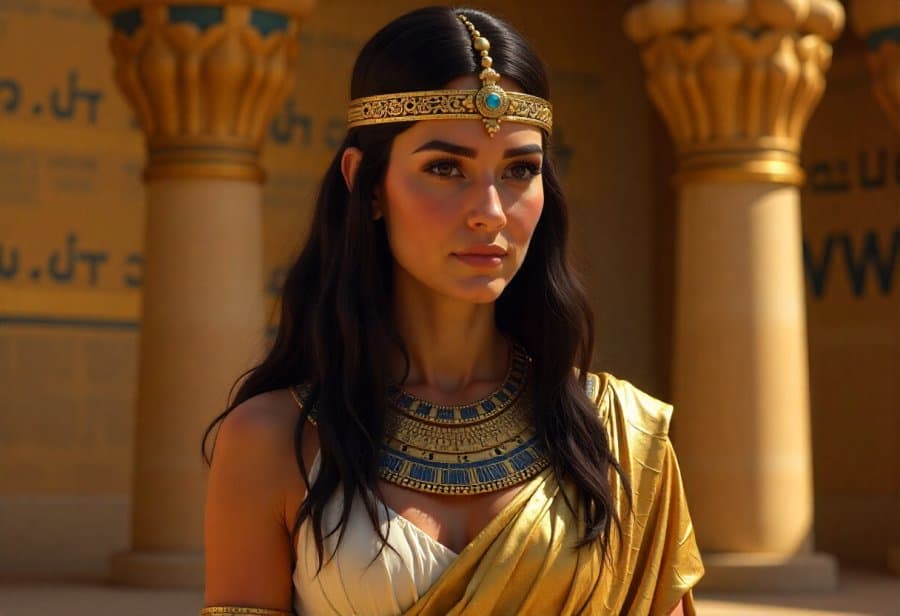
Unveiling Cleopatra VII: The Mind Behind the Majesty
Cleopatra VII is often remembered for her beauty and her dramatic alliances, but her true strength lay in her sharp mind and keen political insight. As the last active ruler of Egypt’s Ptolemaic dynasty, she challenged many stereotypes about female leadership in ancient times. Cleopatra was not just a figure of allure; she was a brilliant strategist, fluent in multiple languages, and deeply engaged in scholarly pursuits. Her reign showcased a remarkable intellect that helped her navigate complex political landscapes—from court intrigues to the rising power of Rome.
Far from being merely a glamorous figure, Cleopatra’s legacy is built on her ability to lead with wit, intelligence, and strategic thinking. She was a master diplomat who understood that influence often came from negotiation and cunning, not just military might. Her multilingual abilities allowed her to communicate directly with diplomatic leaders and scholars alike, giving her an advantage in internal and external politics. Her leadership was characterized by her capacity to think several steps ahead and her mastery of statecraft.
Her reputation as a scholar also played a crucial role in shaping her leadership style. Cleopatra was a patron of the arts and sciences, supporting the legendary Library of Alexandria, which was a hub of knowledge and innovation. She was well-educated in philosophy, mathematics, and literature, believing that wisdom and knowledge were fundamental to effective rule. Her commitment to scholarship was both personal and strategic, reinforcing her authority and fostering cultural exchange within her court.
What set Cleopatra apart was her ability to adapt her political approach to changing circumstances. She knew that flexibility and resilience were vital for survival in a turbulent era. Whether forging alliances with Rome’s powerful leaders or managing internal court rivalries, she navigated these challenges with a strategic mind. Her leadership was rooted in her ability to make informed decisions, craft alliances, and maintain Egypt’s independence amid external threats.
Her role as a pharaoh combined divine authority with practical governance. Cleopatra understood that her power depended on both religious legitimacy and political skill. She used symbols of kingship to reinforce her authority but relied mainly on her intelligence, diplomacy, and strategic thinking. This blend of spiritual and worldly leadership made her a truly formidable ruler, whose influence extended far beyond her time.
Setting the Scene: Egypt’s Turbulent Era and the Rise of Rome
Cleopatra VII’s era was marked by dramatic shifts in the political landscape of the Mediterranean. Egypt, once a powerful and independent kingdom, had been under Macedonian Greek control since Alexander the Great’s conquest. The Ptolemaic dynasty, founded by Ptolemy I, blended Greek governance with Egyptian traditions, creating a unique cultural hybrid. This meant Egypt was ruled by Greek-speaking elites who used Egyptian religious symbols and customs to legitimize their authority, forging a delicate balance between two worlds.
During her reign, the Mediterranean was undergoing a significant power transition. Rome was emerging as the dominant force, expanding rapidly and reshaping regional alliances. The growing influence of Rome threatened Egypt’s sovereignty, forcing Cleopatra to navigate a complex web of diplomacy and internal court politics. Her ability to adapt to these shifting tides was crucial for maintaining Egypt’s independence amid external pressures and internal rivalries.
Leadership in this turbulent environment depended on more than just military might. Cleopatra’s multilingual talents and her patronage of the legendary Library of Alexandria reflected her commitment to knowledge and strategic insight. Her education in philosophy, mathematics, and sciences wasn’t just personal enrichment—it was a vital tool for diplomacy and governance. Her understanding of diverse cultures and her mastery of language allowed her to communicate directly with foreign leaders and scholars, strengthening her influence both within Egypt and beyond.
The court itself was a melting pot of Greek influence and Egyptian tradition. After Alexander’s conquest, the Ptolemaic rulers worked to legitimize their reign through Egyptian religious symbols while maintaining Greek political structures. Cleopatra, as part of this lineage, inherited a kingdom that was a cultural crossroads. Her diplomatic skill lay in managing this complex identity, using cultural diplomacy and strategic alliances to stabilize her rule and foster loyalty among her diverse subjects.
Cleopatra’s personal interests in scholarship and learning set her apart from many rulers of her time. Her fluency in multiple languages and her patronage of the Library of Alexandria underscored her belief that wisdom and knowledge were essential for effective leadership. Navigating internal rivalries and external threats required her to be adaptable, informed, and always strategic. Her era was one of upheaval, but her ability to read her environment and act accordingly helped preserve Egypt’s place in history.
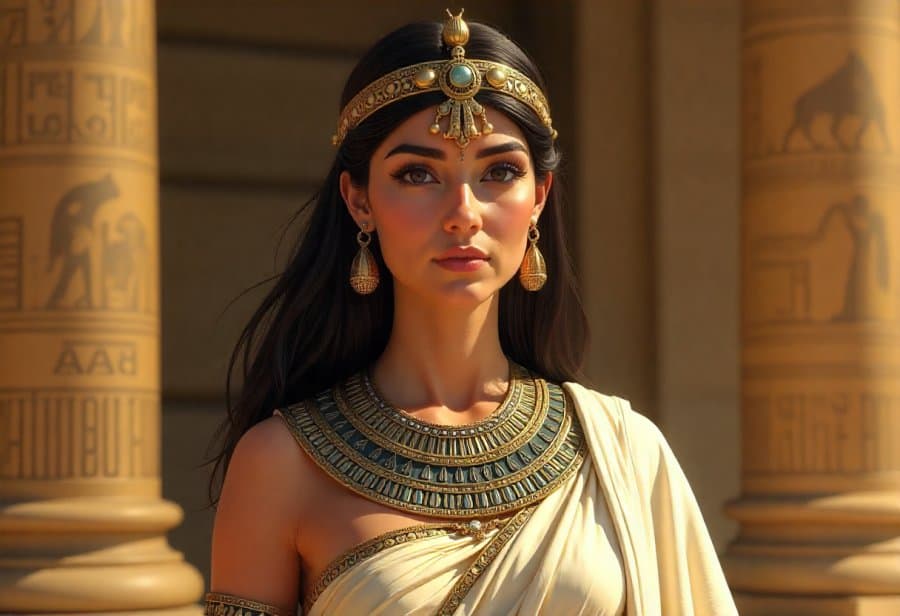
Mastermind of Power: Cleopatra’s Strategic Diplomacy and Enduring Legacy
Cleopatra’s leadership was defined by her exceptional strategic mind and diplomatic finesse. She understood that real power extended beyond the throne; it was about shaping alliances, managing rivalries, and staying adaptable in a constantly shifting political environment. Her mastery in forging and maintaining relationships with Rome’s most influential figures, like Julius Caesar and Mark Antony, highlights her talent for negotiation and long-term planning. These alliances weren’t based on luck or superficial charm—they were carefully calculated moves designed to strengthen her position and safeguard Egypt’s independence.
What set Cleopatra apart was her ability to think several steps ahead. She knew influence often came from behind-the-scenes diplomacy rather than overt displays of power. By keenly reading her opponents’ motives and leveraging her intelligence, she crafted strategies that kept her kingdom resilient despite external threats. Her resilience and flexibility allowed her to shift tactics as circumstances changed, whether by forming new alliances or using her scholarly knowledge to bolster her authority. This mental agility made her a formidable leader whose influence extended well beyond her borders.
Ancient sources consistently praise her remarkable intellectual abilities. Historians like Plutarch and Cassius Dio emphasize her education and linguistic skills, noting her fluency in Egyptian, Greek, Latin, and Aramaic. This linguistic prowess enabled her to communicate directly with diverse diplomatic and scholarly audiences, strengthening her credibility and influence. Her patronage of the Library of Alexandria underscored her deep commitment to knowledge, while her personal engagement with philosophy, mathematics, and sciences reflected her belief that wisdom was fundamental to effective leadership.
Her diplomatic skill was equally evident in how she managed internal court rivalries and external pressures. Cleopatra understood that influence was often built through subtle negotiation rather than force. Her alliances with Julius Caesar and Mark Antony were carefully crafted, not out of vanity, but as strategic moves to protect Egypt’s sovereignty. Her ability to read her rivals accurately, adapt her tactics, and use her intelligence to outmaneuver threats kept her in power despite Rome’s rising dominance.
Cleopatra’s authority was rooted in a blend of divine legitimacy and practical intelligence. While she embodied the sacred symbols of kingship, her true strength lay in informed decision-making, cultural diplomacy, and strategic alliance-building. She balanced spiritual authority with pragmatic governance, managing internal unrest and external threats with equal skill. This combination of spiritual and worldly leadership made her a ruler whose influence was driven as much by her mind as by her throne.
Her legacy endures because her influence stemmed from her intellect. Cleopatra demonstrated that leadership driven by wit, strategic foresight, and resilience could leave a lasting mark on history. She navigated one of the most turbulent eras of ancient civilization with resilience and ingenuity, proving that influence is often built behind the scenes through careful planning and cultural sensitivity. Her story continues to inspire modern leaders and women in power, emphasizing that true strength resides in intelligence and adaptability.
By showing that influence is cultivated through strategic thinking and cultural diplomacy, Cleopatra’s leadership offers timeless lessons. Her example underscores that enduring power relies on mental agility, continuous learning, and the ability to adapt to new challenges. Her legacy reminds us that genuine leadership isn’t about superficial traits but about the strength of the mind and the capacity to influence through careful, strategic action. Cleopatra’s story remains a powerful testament to the enduring importance of intellect in shaping history.
A Scholar-Queen’s Influence: Inspiring Modern Leadership Through Wisdom
Cleopatra’s scholarly pursuits and leadership qualities continue to reshape how we view female rulers today. She demonstrated that intelligence, strategic thinking, and resilience are the true foundations of lasting influence—traits often underestimated in traditional narratives. Her dedication to learning was more than personal curiosity; it was a strategic tool that reinforced her authority and broadened her diplomatic reach. Fluent in multiple languages, she could communicate directly with diverse audiences, strengthening alliances and asserting Egypt’s independence amid turbulent times.
Her patronage of the Library of Alexandria symbolizes her belief in the power of knowledge and cultural exchange. By supporting this center of learning, Cleopatra positioned herself as a champion of scholarship and innovation. Her engagement with philosophy, mathematics, and sciences wasn’t just for personal enrichment; it was integral to her leadership style, allowing her to make informed decisions and navigate complex political landscapes with confidence. This blend of intellectual curiosity and political savvy set her apart from many rulers of her era.
Cleopatra’s example underscores that scholarly pursuits are not mere personal interests but vital tools for strategic power. Her ability to leverage academic knowledge in diplomacy and governance highlights how education can serve as a foundation for resilience and influence. Today’s leaders, especially women seeking to break barriers, can draw inspiration from her example—using continuous learning, cultural understanding, and diplomatic finesse to build sustainable influence.
Her leadership redefines what it means to be a powerful female ruler. Cleopatra proved that resilience, intelligence, and strategic vision are the real sources of authority. Her capacity to stay focused amid chaos and her embrace of cultural and intellectual growth demonstrate that true strength resides in the mind. Her legacy challenges outdated stereotypes, emphasizing that leadership rooted in wisdom and knowledge can leave a lasting impact beyond superficial traits.
In modern times, Cleopatra’s example continues to inspire women and leaders across the globe. It reminds us that influence isn’t solely about appearance or charisma but about fostering a deep well of knowledge and resilience. Her life advocates for valuing education, strategic foresight, and cultural diplomacy as essential tools for effective leadership. Her story encourages a broader understanding of power—one that celebrates mental agility and lifelong learning as key to enduring influence.
Her legacy as a scholar-queen reshapes the narrative of female leadership. Cleopatra demonstrated that resilience, intelligence, and strategic vision are not just traits but the pillars of true authority. Her ability to balance spiritual legitimacy with pragmatic governance shows that influence built on wisdom can withstand the test of time. Her example continues to motivate those who believe that leadership is rooted in the strength of the mind and the courage to lead with purpose.

Final Reflections: The Lasting Power of a Leader Driven by Intelligence and Resilience
Cleopatra’s legacy teaches us that true leadership is rooted not in superficial charm or appearances but in the strength of the mind. Her ability to navigate one of history’s most turbulent eras through strategic thinking, resilience, and diplomacy set her apart from many rulers before and after her time. Her influence extended far beyond Egypt’s borders, demonstrating that power built on intellect and careful planning leaves a lasting imprint on history.
What made Cleopatra truly remarkable was her understanding that influence often stems from behind-the-scenes negotiation rather than overt displays of authority. Her mastery of statecraft and her talent for forging long-term alliances helped secure Egypt’s independence amid external threats. She knew that lasting power depends on informed decisions and adaptable strategies, qualities she consistently embodied throughout her reign.
Her deep engagement with scholarship and her patronage of the Library of Alexandria highlight her core belief that wisdom is a vital tool for effective leadership. Fluent in multiple languages and well-versed in philosophy, mathematics, and sciences, Cleopatra used her knowledge to communicate directly with diverse audiences. This intellectual foundation strengthened her authority and underscored her role as a champion of cultural exchange and innovation.
Throughout her leadership, Cleopatra demonstrated that resilience, intelligence, and strategic foresight are essential ingredients of enduring influence. Her ability to stay focused on her goals despite external chaos and internal rivalries underscores the importance of mental agility. She proved that leadership rooted in knowledge and adaptability can withstand the test of time and political upheaval.
Her story challenges modern perceptions of female rulers, emphasizing that resilience and strategic thinking are just as crucial as charisma. Cleopatra’s example shows that genuine influence depends on building a foundation of wisdom and continuous learning. Her legacy encourages today’s leaders—especially women—to prioritize education, cultural understanding, and strategic foresight as key to creating a lasting impact.
Reflecting on her life, Cleopatra’s greatest achievement was demonstrating that leadership driven by intellect and resilience shapes history. She navigated her era with ingenuity and grace, proving that influence is often cultivated through careful planning and cultural sensitivity. Her story remains a powerful reminder that the most enduring power comes from the strength of the mind, inspiring leaders across generations to lead with purpose and wisdom.
 antM
antM  patB
patB  evanW
evanW