
Learning to drive marks a pivotal moment in a teen’s journey toward independence, blending excitement with undeniable nerves. This rite of passage isn’t merely about mastering steering and traffic laws; it’s a profound emotional experience that tests resilience, patience, and self-confidence. As teens navigate their first drives—facing busy streets, parking challenges, and quick decisions—they confront internal struggles of fear and doubt. Yet, each stumble and small victory fosters growth, transforming nervous beginners into responsible, confident drivers. The journey incorporates modern tools like simulators and safety features, easing anxiety and reinforcing skills. However, the road to independence also involves emotional resilience, support, and setting achievable goals. What role does encouragement and self-awareness play in turning initial fears into lifelong confidence? This transformative process shapes not just drivers but resilient individuals ready to face future challenges with calm and competence.
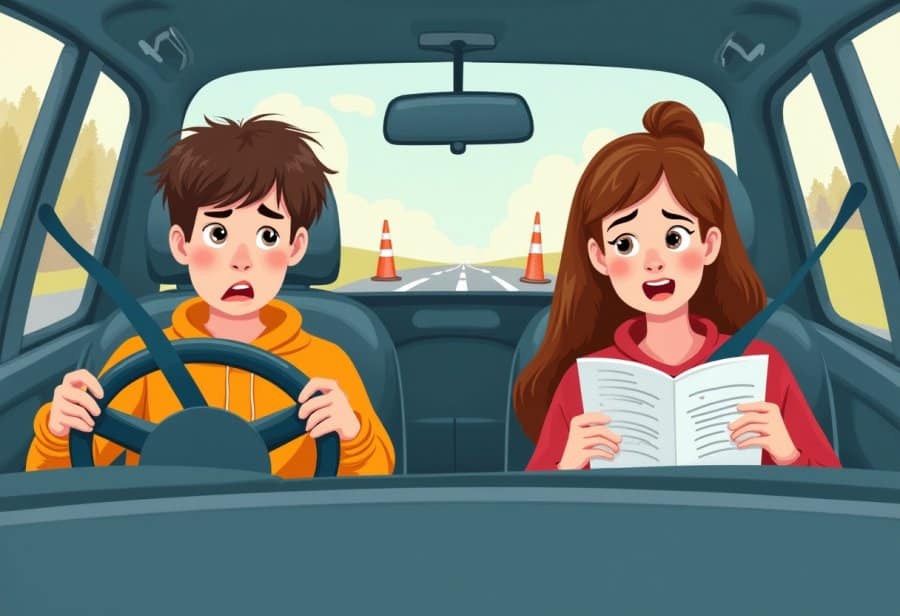
Embark on the Journey to Independence with Teen Driving
Learning to drive marks a defining moment in a teenager’s journey toward independence. It’s a milestone that symbolizes responsibility, freedom, and a step into adulthood. For many teens, the moment they sit behind the wheel feels like a leap into a new world—one where they finally have control over where they go and how they get there. It’s an exciting, sometimes nerve-wracking experience that shapes their confidence and sense of self-reliance.
But the road to becoming a confident driver isn’t just paved with technical skills. It’s filled with emotions: anticipation, nervousness, and sometimes even doubt. The first few drives can be a whirlwind of sensations—glancing nervously at mirrors, hesitating at intersections, and feeling the weight of responsibility. These feelings are natural and part of the learning process, even if they make the journey feel daunting.
This experience is about more than just mastering traffic laws or perfecting parking; it’s about developing resilience. Each practice session, mistake, and small victory helps teens build patience, focus, and decision-making skills. Over time, they start to see themselves as capable individuals who can handle responsibility—both on the road and in life. This gradual transformation from nervous beginner to confident driver becomes a key part of their personal growth.
Driving also offers a chance for self-discovery. Teens learn how they respond under pressure, manage stress, and make split-second decisions. Every trip, whether smooth or challenging, helps them understand their strengths and areas for improvement. These lessons build trust in their abilities and lay the groundwork for future independence.
It’s important to recognize that this process isn’t always straightforward. Nervousness and setbacks are common, but they serve as vital learning moments. With patience, support, and persistence, those initial fears often give way to genuine confidence. The journey may be filled with bumps and turns, but each one helps shape a more responsible, self-assured young driver ready to take on the world.
Laying the Foundation: Skills and Emotional Growth in Teenage Driving
Learning to drive isn’t just about memorizing traffic laws or practicing maneuvers; it’s a complex process that combines developing practical skills with emotional growth. For teenagers, this phase is crucial for building foundational abilities like steering, braking, accelerating, and parking. These skills are usually introduced gradually, starting with simple tasks and progressing to more challenging scenarios such as highway merging or night driving. The goal is to establish a solid base of competence that supports safe driving as they gain independence.
Along with mastering these skills, teens are also navigating emotional and cognitive development. Managing nerves, building confidence, and cultivating patience are just as vital as technical proficiency. During this period, self-doubt can surface, especially in unfamiliar traffic situations or under pressure to perform well. Developing emotional resilience helps teens cope with setbacks, turning frustrations into opportunities for growth. Support from parents, instructors, and peers plays a key role in fostering this resilience and confidence.
Psychologically, learning to drive becomes a journey of self-discovery. Each practice session offers insights into how teens respond to stress, make decisions, and stay calm under pressure. These experiences shape their self-awareness and sense of responsibility, reinforcing that they are capable of handling more than they might initially believe. Progress may be slow at times, but recognizing that mastery takes time encourages teens to stay persistent and patient with their development.
Patience and gradual progress are essential. Rushing or expecting perfection early on can heighten anxiety or lead to bad habits. Instead, consistent practice paired with realistic expectations helps build confidence at a comfortable pace. Recognizing that mistakes are part of the learning process transforms setbacks into valuable lessons, fostering a growth mindset that keeps teens motivated.
Modern driver education incorporates technology like simulators and driver-assistance systems to support skill development. These tools provide safe environments to practice decision-making and hazard recognition, reducing nerves and building confidence. Familiarity with safety features and virtual scenarios prepares teens for real-world challenges, making the learning process more comprehensive and less intimidating. Overall, this foundational phase is key to transforming nervous beginners into confident, responsible drivers ready for the road ahead.

Navigating Today’s Roads: The Current State of Teen Driving Confidence
Today’s landscape of teen driving education has evolved significantly over the past decade. Most teens now participate in structured programs that blend classroom instruction with supervised behind-the-wheel practice, emphasizing safety and incorporating modern tools like simulators to better prepare them for real-world driving. Despite these advancements, many young drivers still encounter familiar hurdles—such as navigating busy streets, managing nerves, and dealing with unpredictable traffic conditions.
Confidence levels among teens vary widely. Some feel well-prepared after completing their training, while others grapple with lingering anxiety or self-doubt. The thrill of newfound independence often comes paired with fears of making mistakes or causing accidents. Small victories—like merging onto a highway or parking confidently—can boost their belief in themselves, but setbacks are common and part of the learning curve. These moments highlight that becoming a confident driver is an ongoing process.
Different approaches impact how teens feel about driving. Those learning with parents might gain quick reassurance from familiar guidance, but professional driving courses expose them to a broader range of scenarios, reducing uncertainty. The increasing use of driving simulators helps teens practice decision-making in a safe environment, easing nerves and building confidence before they hit busy roads. Still, real-world driving remains intimidating for many, especially with heavy traffic and quick decision requirements.
Despite technological advances, emotional hurdles persist. Many teens worry about making mistakes or causing harm, which can slow their progress. Recognizing and addressing these fears early—through encouragement and support—helps foster resilience. As teens navigate these challenges, they learn to stay calm, adapt, and gradually transform nervousness into genuine confidence.
Safety features like automatic braking and lane departure warnings are now common in many vehicles, offering extra reassurance. These tools help teens recognize hazards and respond effectively, making them feel more in control. Virtual reality and simulator-based practice further prepare them for complex scenarios, reducing anxiety and reinforcing their ability to handle real-life situations.
While formal education plays a crucial role, emotional readiness and confidence develop through experience, patience, and support. Every teen’s journey is unique, but consistent practice and encouragement are key. Over time, these elements turn initial nerves into a solid foundation of self-assurance, shaping responsible drivers ready to face the road with confidence.
Budgeting for Independence: Financial Insights into Teen Driver Training
Learning to drive can be a significant financial investment for families, and understanding the costs involved helps in planning ahead. Professional driving schools typically charge between $300 and $800 for a complete package that covers classroom lessons and behind-the-wheel training. These programs are designed not only to develop driving skills but also to foster confidence and safety awareness, making them a popular choice for many parents seeking structured guidance for their teens.
In addition to instruction fees, teens and their families face licensing costs, which usually range from $20 to $100, along with expenses for permits, testing, and sometimes mandatory safety courses. While these upfront costs might seem substantial, investing in quality education can pay off in the long run through safer driving habits, fewer tickets, and lower insurance premiums. Responsible drivers tend to make fewer mistakes, reducing the risk of accidents and costly fines.
For families on a tighter budget, alternative options like parent-led practice sessions or community-based programs can offer valuable experience at a lower cost. Many local organizations, community colleges, and nonprofits provide affordable driver education courses, sometimes with subsidies or free opportunities for eligible teens. Online resources such as practice apps and instructional videos also serve as cost-effective supplements, helping reinforce skills and confidence without extra expenses.
Ongoing costs, particularly higher insurance premiums for new drivers, are another factor to consider. Many insurers offer discounts for completing approved driver education courses or maintaining good driving records. Comparing policies and shopping around can help manage these expenses and make the transition to independent driving more affordable over time.
While the initial financial outlay can seem daunting, it’s an investment in your teen’s safety, confidence, and independence. Proper training and preparation reduce the likelihood of costly mistakes and accidents, ultimately saving money and stress. Exploring a mix of professional instruction, community resources, and technological tools creates a balanced approach that makes learning to drive accessible and effective for families of all budgets.
Real-Life Rewards: How Driving Transforms Daily Teen Life and Confidence
Learning to drive can significantly transform a teen’s daily routine and sense of independence. Once they have their license, they’re no longer bound by parents’ schedules or the limitations of public transportation. Instead, they can manage their own time, whether it’s heading to school, working a part-time job, or hanging out with friends. This newfound freedom often boosts their confidence and helps them feel more in control of their lives.
Many teens share stories of how driving has helped them grow personally. Emma, a high school senior, recalls how earning her license opened doors to new opportunities. She started participating in after-school clubs and visiting friends more easily, which made her feel more connected and self-assured. For Jake, overcoming initial nerves behind the wheel became a personal victory, teaching him resilience and patience. These stories highlight that learning to drive isn’t just about mastering skills—it’s about building a stronger sense of independence and self-reliance.
Driving also teaches teens how to handle responsibilities. They learn to plan ahead, prioritize safety, and make quick decisions in unpredictable situations. These skills extend beyond the car, helping them become more organized and responsible in everyday life. Navigating tricky traffic or parking challenges fosters patience and problem-solving, reinforcing their ability to stay calm under pressure and adapt to change.
The experience of learning to drive often involves setbacks—like a rough parking attempt or a nerve-wracking highway drive. But each challenge offers valuable lessons. When teens face these moments, they learn to stay calm, assess the situation, and improve their skills. Over time, these small victories turn nervousness into genuine confidence, preparing them for more complex driving scenarios and life’s broader challenges.
The social landscape also shifts once teens can drive. They’re more likely to participate in social activities, explore new places, and develop better social skills. Being able to drive reduces reliance on parents for transportation, fostering a sense of independence that extends into other areas of their lives. This sense of freedom can be empowering, helping teens feel more capable and ready to take on future responsibilities.
In sum, learning to drive creates a ripple effect that influences many aspects of a teen’s life. It’s a milestone that shapes their confidence, independence, and resilience, equipping them with skills that go far beyond the road. These experiences set the foundation for responsible adulthood, making the journey of learning to drive a truly transformative chapter in their growth.

Empowering Teens: Strategies to Build Confidence, Resilience, and Self-Discovery Behind the Wheel
Empowering teen drivers goes beyond simply teaching them how to operate a vehicle; it’s about cultivating a mindset of confidence, resilience, and self-awareness that lasts well beyond their first drives. One effective strategy is encouraging teens to set small, achievable goals, like mastering parallel parking or merging smoothly onto a highway. Celebrating these milestones boosts their belief in their abilities and makes bigger challenges feel less intimidating.
Creating a safe space for mistakes is crucial. When teens know they won’t be judged harshly for errors, they become more willing to take risks and learn from setbacks. Parents and instructors should emphasize that errors are natural and valuable steps in the learning process. This perspective helps teens develop resilience, teaching them to recover quickly and see difficulties as opportunities for growth.
Reflective practice after each drive further builds self-awareness. Asking teens what went well and what could improve encourages them to recognize their strengths and identify areas for development. This habit not only sharpens their driving skills but also nurtures a growth mindset, making them more patient and persistent in overcoming challenges.
Driving offers a personal journey of self-discovery. Facing different traffic scenarios and decision-making moments reveals how teens respond under pressure and manage stress. Each experience—whether a success or a stumble—helps them understand their reactions and build trust in their judgment, fueling their confidence and sense of responsibility.
Support from trusted adults makes a significant difference. Consistent encouragement, patience, and constructive feedback from parents and instructors help teens see their progress clearly. Recognizing their efforts fosters a sense of competence and independence, transforming nerves into genuine confidence and making the journey toward safe driving more rewarding.
Modern tools like driving simulators and safety apps can accelerate confidence-building. These resources allow teens to practice hazard recognition and decision-making in controlled environments, reducing anxiety and reinforcing their sense of mastery. Familiarity with vehicle safety features further boosts their control, turning initial fears into empowerment.
Building confidence is a gradual process that requires patience and persistence. Recognizing that mastery takes time helps teens stay motivated and reduces pressure to perform perfectly. When mistakes are viewed as part of the learning journey, nerves can transform into lasting self-assurance.
By fostering a mindset of empowerment and resilience, we prepare teens not just to pass their tests but to become responsible, confident drivers. These qualities extend into their broader lives, equipping them to face future challenges with calmness and self-awareness. The path to confident driving is ongoing, but with the right support, teens can turn nervous energy into a foundation of independence that lasts a lifetime.
 yvieN
yvieN  patB
patB  quinW
quinW