
American fascination with charismatic figures who promise simple solutions reveals a deep-seated desire for certainty amid chaos. From 19th-century medicine shows to modern political rallies, spectacle and showmanship have long captivated audiences, offering emotional relief rather than genuine cures. Leaders like Clark Stanley and Donald Trump masterfully craft identities rooted in spectacle, blending authenticity with illusion to influence followers. But why do we willingly buy into these signs of confidence—are we seeking real change or comfort in easy answers? This pattern exposes a cultural craving for quick fixes, even when they come cloaked as snake oil. While spectacle energizes democratic engagement, it also risks diluting rational debate and fostering societal divisions. Recognizing the power of emotion-driven influence enables us to navigate charisma more critically, balancing appreciation for authentic leadership with vigilance against manipulation. Ultimately, understanding why we are drawn to spectacle can help preserve the integrity of democratic processes and foster a more informed, resilient society.
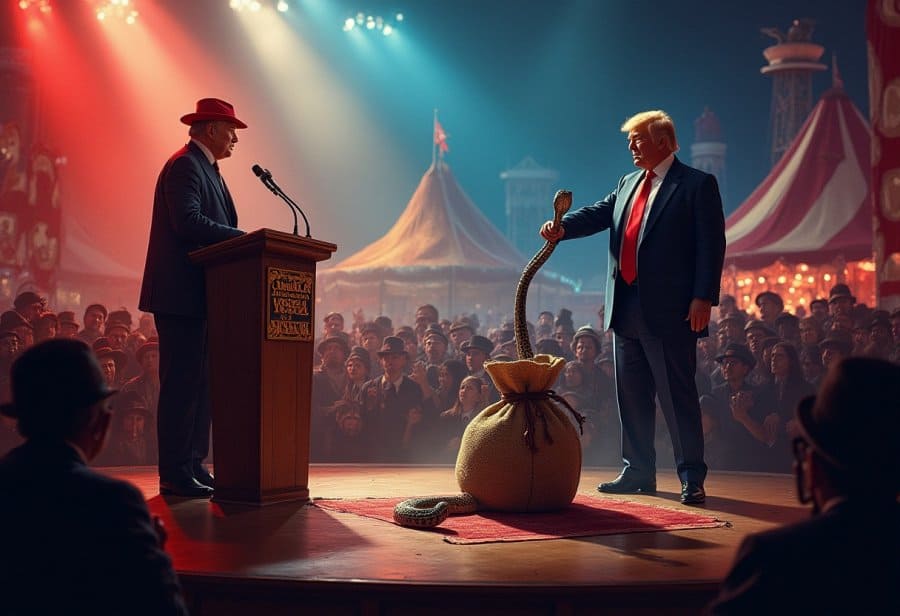
Unveiling America’s Deep-rooted Fascination with Charismatic Figures
Americans have a deep-rooted fascination with charismatic figures who promise simple, straightforward solutions to complex problems. This pattern isn’t new; it runs deep in the cultural DNA of the nation. During times of uncertainty—whether economic struggles, political upheaval, or social change—people instinctively seek hope and clarity. Leaders who can distill complicated issues into memorable slogans or bold promises seem to offer relief, a way to cut through the chaos and regain a sense of control.
This tendency extends beyond politics. It’s rooted in a broader cultural preference for quick fixes and easy answers. From 19th-century medicine men to modern populist leaders, the appeal remains the same: someone who appears confident, authentic, and able to deliver instant results. These figures craft identities that seem genuine, even if they’re built on illusion or spectacle. Their power lies in making followers feel seen, understood, and hopeful—no matter how fragile or fleeting that promise might be.
Throughout American history, showmanship has played a crucial role in shaping influence. Traveling medicine shows, for example, used theatrical tricks and emotional storytelling to sell dubious cures in an era when access to real medicine was limited. Today’s political rallies mimic this approach, transforming campaigns into entertainment spectacles designed to evoke strong emotional responses. Whether it’s a catchy slogan or a rousing speech, both rely on making complex issues feel simple and emotionally resonant.
The core appeal is the desire for certainty in an uncertain world. When faced with ambiguity, many prefer the comfort of a clear solution—no matter how unrealistic—that promises to fix everything quickly. Leaders who understand this instinct craft narratives that tap into collective fears and hopes, offering themselves as the only true remedy. This dynamic isn’t just about persuasion; it’s about identity, belonging, and the hope that someone finally has the answer.
At its heart, this fascination reveals something fundamental about American culture: a willingness to believe in miracle cures and quick fixes. It’s a reflection of optimism, resourcefulness, and sometimes naive faith. But it also highlights our collective struggle to accept the messy, slow, and often imperfect process of genuine change. As long as uncertainty exists, the allure of charismatic figures promising easy solutions will endure.
Decoding Charisma, Spectacle, and Persuasion in Society
Charisma is that intangible quality some people seem to naturally radiate—an almost magnetic presence that draws others in and fosters trust. It’s more than just charm or good looks; it’s a feeling that someone projects confidence and authenticity, making followers feel understood and inspired. Leaders who master charisma create emotional bonds that appear genuine, even if they are carefully crafted performances. This ability to connect deeply with an audience is what makes charisma such a powerful tool of influence.
When charisma is paired with spectacle—visual flair, theatrical gestures, or dramatic displays—it becomes even more compelling. Leaders who understand this dynamic craft emotional moments that resonate on a visceral level, transforming their messages into memorable stories or symbols. Spectacle elevates the message from mere words to shared experiences that evoke feelings like hope, pride, or fear. This emotional engagement often sustains loyalty and attention far beyond the substance of what’s being said.
Persuasion ties these elements together. It’s the art of influencing beliefs and actions through emotional appeals, storytelling, and symbols rather than relying solely on facts. Effective persuasion amplifies charisma and spectacle, blurring the lines between authenticity and performance. Leaders often craft personas that seem genuine—because the emotional response they evoke is what truly drives influence—regardless of the underlying truth. This combination makes it easy to sway public opinion with powerful, emotionally charged narratives.
Throughout history, charismatic authority has thrived on inspiring loyalty without formal legitimacy. Spectacle turns ordinary communication into a theatrical event, forging emotional bonds that make followers feel part of something bigger. Whether through political rallies, public demonstrations, or media appearances, this emotional resonance often outweighs rational understanding, making influence more about feeling than facts. Leaders become symbols, not just speakers, shaping collective identities and loyalties.
Understanding how charisma, spectacle, and persuasion operate together reveals why certain figures hold such sway. Their power lies in making followers feel connected, inspired, and part of a shared story—regardless of the reality behind the persona. Recognizing these dynamics helps us see beyond surface appearances, equipping us to engage more critically with influential figures and better understand the emotional underpinnings of societal influence.
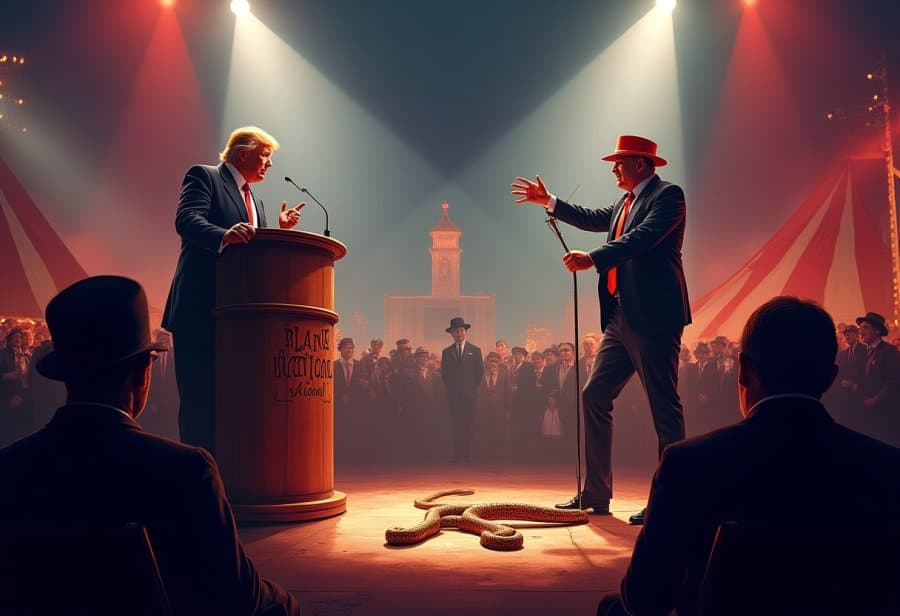
Why We Believe in Miracle Cures: The Cultural Psychology of Hope and Quick Fixes
Humans have a deep-seated tendency to seek quick fixes and miracle cures, especially when faced with uncertainty or distress. During moments of social upheaval or personal hardship, the desire for immediate relief often outweighs patience for gradual progress. This craving creates fertile ground for leaders and healers who promise instant results, weaving narratives that seem almost magical. These stories tap into a collective hope that complex problems—whether health issues, economic struggles, or social divisions—can be solved with a single, simple intervention.
This mindset isn’t a modern invention; it’s embedded in American cultural identity. Think of 19th-century medicine shows, where charismatic performers sold dubious cures through dramatic displays. These spectacles promised rapid healing, often using theatrical tricks to persuade audiences that happiness and health were just a bottle away. The emotional appeal of these shows was more compelling than their actual efficacy, reinforcing the idea that quick relief was always within reach. It’s a pattern rooted in our preference for instant gratification, reinforced by stories that seem to bypass the messiness of real progress.
Today’s political landscape echoes this tradition, with slogans like “Build the wall” or “Drain the swamp” offering simplified solutions to complex issues. These promises resonate because they align with our innate desire for certainty and control. When faced with ambiguity, many prefer a story with a neat ending—an easy fix that restores order and hope. Leaders who understand this instinct craft messages that evoke emotional responses, making big problems seem solvable with a decisive, almost magical, act. This taps into our psychological bias towards quick rewards, making their promises seem not just desirable but necessary.
Our brains are wired to favor immediate rewards, which makes us more susceptible to charismatic figures who offer quick salvation. Confirmation bias plays its part, as we tend to accept ideas that fit our hopes and fears—especially when they promise rapid results. During times of crisis, stories of instant healing or salvation become especially alluring, providing reassurance in an uncertain world. Leaders who tap into this dynamic craft narratives that feel personal and urgent, creating a kind of emotional addiction to the promise of overnight solutions.
This impulse to believe in miracle cures reflects a broader cultural tendency toward optimism and resourcefulness, but it also exposes a reluctance to accept complexity. Many Americans prefer stories with clear, quick resolutions over long, effortful processes filled with setbacks. This mindset fuels the allure of charisma, where leaders become symbols of hope—offering shortcuts that seem to bypass the messy realities of change. Recognizing this tendency helps explain why charismatic figures continue to thrive—they promise what many desperately want to believe: that transformation can happen overnight, even if reality tells a different story.
In the end, this belief in miracle cures reveals more about our collective hopes than our realities. It underscores a cultural yearning for simplicity in a complicated world, and a willingness to invest faith in those who promise to deliver it. Understanding this dynamic is key to navigating a landscape saturated with spectacle and emotional appeals, reminding us to stay vigilant and critical, even as we remain hopeful for genuine, lasting change.
This history of quick fixes and their illusion of legitimacy highlights how easily society can be fooled by charismatic promises. To truly understand the roots of these deceptive practices, exploring the story of how snake oil became a symbol of fraud offers valuable insight. For more on this, see Snake Oil Became a Symbol of Fraud.
The Spectacle of Politics: How Entertainment Shapes Voter Perception
Entertainment plays a crucial role in shaping how voters perceive and connect with political figures. When campaigns turn into spectacles—think dramatic entrances, catchy slogans, or emotionally charged rallies—they grab attention in ways traditional policy discussions often can’t. These moments create memorable experiences that make politics feel more personal and exciting, transforming what could be a dry process into a shared event that energizes supporters and captures the imagination of undecided voters. The emotional punch of spectacle helps a candidate’s message stick far longer than facts or figures ever could.
Leaders who understand this power craft their campaigns like performance art. They stage events that evoke strong feelings—hope, pride, or even fear—to forge a deeper emotional bond with supporters. A rally with lively music, visual flair, and dynamic visuals turns a politician into a symbol of something bigger, making followers feel part of a movement. This emotional resonance motivates supporters to vote, volunteer, and spread the message further, often more effectively than policy details.
Spectacle also simplifies complex issues, replacing dense explanations with vivid imagery or dramatic moments. Instead of bogging voters down in policy jargon, charismatic figures present their ideas through memorable symbols—like a border wall or fiery speeches—that become mental shorthand. These images evoke deep feelings and serve as rallying cries, unifying supporters around broad narratives that seem straightforward and urgent.
Modern campaigns increasingly resemble entertainment shows. Trump’s rallies, for example, are designed to energize crowds with theatrical staging, lively music, and viral moments. This approach turns voting into an event supporters anticipate and remember, elevating personality over policy. Media coverage amplifies this effect, transforming politicians into larger-than-life figures who dominate headlines with eye-catching visuals and memorable soundbites. Success depends more on the show than the substance.
However, this focus on spectacle raises questions about the future of democracy. When emotional appeals outweigh facts, voters may make decisions based on charisma rather than understanding, risking a less informed electorate. While spectacle energizes supporters, it can also distort democratic debate, prioritizing entertainment over meaningful discussion. Recognizing how entertainment influences perception helps us understand why charisma and spectacle continue to dominate modern politics.
Charismatic Deception’s Impact on Democracy and Social Unity
Charismatic deception has profound effects on democratic processes, often eroding trust and deepening societal divides. When leaders rely heavily on spectacle and emotional appeals rather than facts and policies, voters tend to base their decisions more on feelings than informed analysis. This shift weakens accountability, as loyalty becomes linked to a leader’s persona rather than their actual achievements or integrity. Over time, democracies risk turning into arenas where personality trumps policy, making it harder to hold leaders responsible for their actions.
Social cohesion also suffers when charismatic figures craft simple narratives that divide rather than unite. Leaders who emphasize “us versus them” rhetoric deepen societal rifts, fostering an environment where disagreement feels personal and emotional rather than rational. When allegiance hinges more on loyalty to a figure than on shared values or facts, communities become fragmented, mistrust grows, and dialogue becomes strained. This polarization hampers collective problem-solving and makes consensus increasingly difficult.
The broader impact extends into how society processes information. When spectacle and emotional storytelling overshadow substantive debate, citizens become more receptive to sensationalism and less critical of misinformation. This environment makes manipulation easier, as emotional appeals often override rational scrutiny. As a result, public discourse shifts from nuanced understanding to surface-level narratives designed to evoke strong feelings rather than promote genuine understanding.
Charismatic deception also distorts the democratic ideal of leadership. When elections become popularity contests driven by personality and spectacle, the focus shifts away from substantive policy solutions. Leaders who excel at showmanship often rise to power, even if their agendas lack depth or long-term viability. This trend threatens the integrity of democratic institutions, which rely on informed citizenry and transparent accountability to function effectively.
Fostering resilience against these risks requires cultivating critical engagement and media literacy. Citizens need tools to question motives, verify information, and recognize manipulative tactics. Building this awareness strengthens democratic health, ensuring that influence is rooted in authenticity and substance rather than illusion. Ultimately, safeguarding democracy means valuing genuine leadership over spectacle, encouraging communities to prioritize truth and integrity in their collective pursuit of a fairer, more cohesive society.
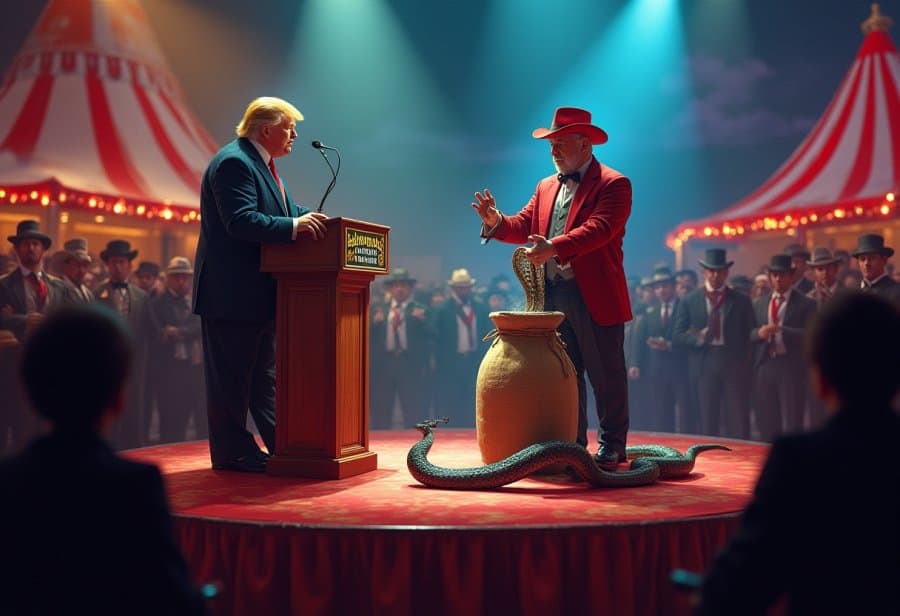
Mastering Critical Awareness: Navigating Charisma with Vigilance and Integrity
Navigating the world of charisma requires more than just admiration for captivating figures; it demands a vigilant and questioning mindset. Charismatic leaders can inspire and energize, but their influence often hinges more on emotional appeal and carefully crafted personas than on genuine substance. Recognizing this distinction helps us avoid being swept away by surface appearances and encourages us to look deeper into motives and motivations. Developing this awareness isn’t about dismissing charisma altogether but about engaging with it responsibly and critically.
Building critical engagement starts with understanding the mechanics behind spectacle and emotional manipulation. When we ask why a leader emphasizes certain messages or stages particular moments, we begin to see through the veneer of authenticity. Curiosity becomes a valuable tool, prompting us to question what lies beneath the surface. This habit of inquiry fosters a healthier relationship with influence, helping us differentiate between inspired leadership and manipulative showmanship.
Education plays a key role in strengthening this vigilance. Promoting media literacy and critical thinking equips us with the skills to verify facts, recognize emotional appeals, and spot tactics designed to sway opinions. When communities become more discerning, they can demand transparency and accountability, reducing the power of illusion. This collective effort to scrutinize influence helps preserve democratic values and ensures that genuine integrity takes precedence over spectacle.
Authentic leadership rooted in honesty and transparency stands as a vital counterbalance to superficial charisma. When communities prioritize integrity over showmanship, they create an environment where sincerity is valued and rewarded. Leaders who embrace this approach build trust not through performance but through consistent actions aligned with their principles. Encouraging such standards helps diminish superficial influence and fosters a political culture grounded in truth.
Striking a balance between appreciating true qualities and remaining alert to manipulation safeguards our collective capacity for informed judgment. By cultivating awareness and skepticism, we can be inspired without being deceived. When communities choose truth over entertainment, they strengthen the foundations of accountability and trust. This mindset benefits society by ensuring that influence elevates genuine leadership rather than undermining it, preserving the integrity of our democratic future.
 lissyY
  quinW
quinW