
Underground street racing is more than just a pursuit of speed; it’s a vivid testament to loyalty, brotherhood, and rebellion that thrives in the shadows of urban landscapes. Rooted in decades of history, this clandestine scene transforms everyday cars into symbols of identity and trust, forging bonds deeper than asphalt. As technology advances—from electric vehicles to digital tuning—racing communities adapt, maintaining their secrecy and resilience amidst increasing law enforcement pressures. This culture’s core remains unchanged: a fierce sense of kinship, shared risks, and an unyielding desire for freedom. But what drives these racers to risk it all—and how will innovation shape their future? In a world where legality tightens and borders blur, underground street racing persists because it fulfills an innate human need for connection, adrenaline, and belonging, turning rivals into lifelong family in the relentless pursuit of speed and loyalty.
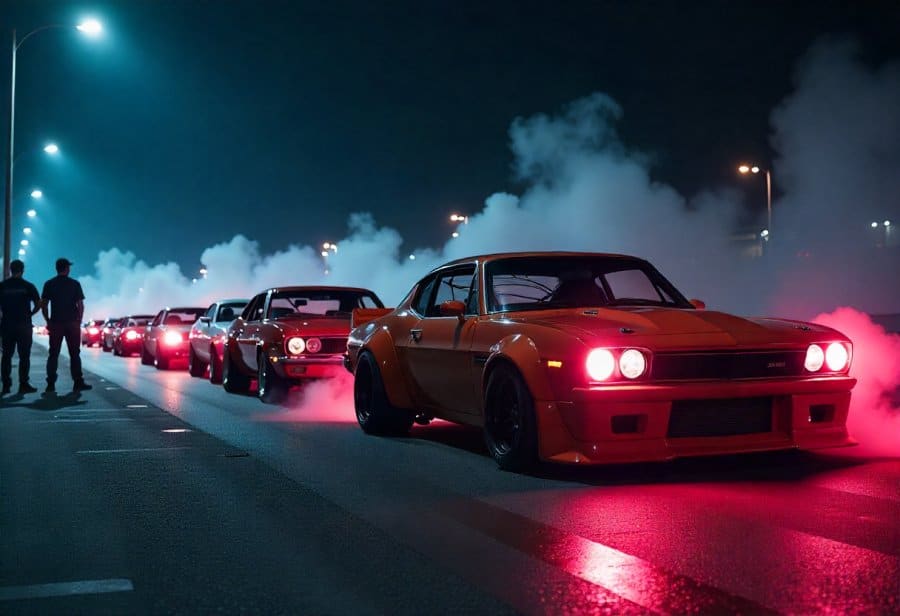
Unveiling the Hidden World of Underground Street Racing
Underground street racing isn’t just about fast cars and late-night thrills; it’s a vital thread woven into the fabric of many urban communities. When official racing tracks are too costly, inaccessible, or simply too crowded, enthusiasts turn to the streets—quiet alleys, empty parking lots, and deserted roads—to chase the adrenaline rush. These clandestine races create a hidden universe where speed, skill, and loyalty collide, offering a sense of freedom that mainstream motorsports rarely provide.
Over time, what began as spontaneous meetups has evolved into a structured subculture built on shared passion and mutual respect. Racers spend countless hours modifying their cars—swapping parts, turbocharging engines, and customizing for peak performance—transforming everyday vehicles into high-powered machines. Neighborhoods known for night racing become hubs of camaraderie, with crews bonding over their love for tuning, competition, and pushing limits in secrecy.
This underground scene fosters a unique sense of belonging. It’s more than just racing; it’s a community rooted in trust, loyalty, and brotherhood. Racers rely on each other for technical advice, safety tips, and moral support during risky night runs. The unspoken codes—about fair play, respect, and loyalty—help keep this culture intact despite constant threats from law enforcement. These bonds turn rivalries into lifelong friendships, creating a tight-knit family that thrives in the shadows.
Technological advances have only deepened these connections. Digital tuning tools, encrypted messaging, and social media platforms connect racers across neighborhoods and even borders. While authorities ramp up their efforts to curb illegal racing, the scene adapts—finding new secret spots and developing innovative ways to stay under the radar. This resilience ensures that underground street racing remains a vibrant expression of rebellion, community, and shared identity.
At its core, underground street racing is about more than speed; it’s about forging bonds that run deeper than asphalt. It’s a culture built on loyalty, adrenaline, and the thrill of defying expectations. Even as city streets evolve and laws tighten, this shadowy world persists because it fulfills a fundamental human need—to belong, to belong to something bigger, and to chase the ultimate freedom in the night.
Tracing the Origins and Evolution of Nighttime Rivals
Underground street racing didn’t emerge overnight; its roots stretch back decades to urban areas where formal racing tracks were scarce or too costly. In those early days, it was all about spontaneous gatherings—small crews meeting in empty parking lots or deserted streets late at night simply to test their cars’ limits. Driven by a rebellious spirit and a love of speed, these meetups offered an unmatched sense of freedom, allowing enthusiasts to push their vehicles beyond everyday boundaries without the constraints of mainstream motorsports.
As these informal gatherings persisted, they gradually evolved into more organized and competitive events. Racers began modifying their cars—installing turbochargers, swapping parts, and tuning engines—to gain a competitive edge. Neighborhoods known for night racing became hubs where crews formed around shared passions for tuning and high-speed challenges. Respect, loyalty, and a collective drive to push limits became the unspoken pillars that held these communities together, transforming casual meetups into a thriving underground scene.
The scene expanded significantly during the 1980s and 90s, fueled by legendary races like Los Angeles’ “Midnight Run.” These events not only showcased raw speed but also fostered a culture of community, identity, and defiance. Viral videos and local legends emerged, turning daring racers into icons within the scene. Despite the constant threat of law enforcement crackdowns, respect for a code of conduct—centered on fair play and loyalty—helped maintain cohesion among racers and keep the scene alive.
Technological innovation played a key role in its growth. Digital tuning tools and online forums connected racers across cities and countries, facilitating knowledge sharing and organization. Respect for trust and mutual support became even more essential as authorities stepped up surveillance, prompting racers to operate in smaller, more secretive groups. Encrypted messaging apps and hidden locations became standard tools to stay ahead of detection, allowing the culture to adapt and thrive despite mounting legal pressures.
Throughout its evolution, underground street racing has shown remarkable resilience. New modifications, like electric vehicles and smart tuning apps, are pushing the boundaries even further, while online communities continue to strengthen global bonds. These digital networks foster a sense of kinship that transcends local borders, ensuring that the core values of loyalty, respect, and adrenaline-driven brotherhood remain central. The scene’s ability to adapt has kept it vibrant, rebellious, and deeply rooted in a shared pursuit of freedom and connection.
From spontaneous midnight meetups to a complex underground culture, street racing’s journey reflects a universal desire for rebellion, camaraderie, and self-expression. Its evolution underscores a community that refuses to fade away, continuously reinventing itself while holding onto the bonds that define it. Despite legal challenges and changing technologies, underground street racing endures because it’s more than just cars—it’s about carving out a space where brotherhood and speed intertwine in the shadows of the city streets.
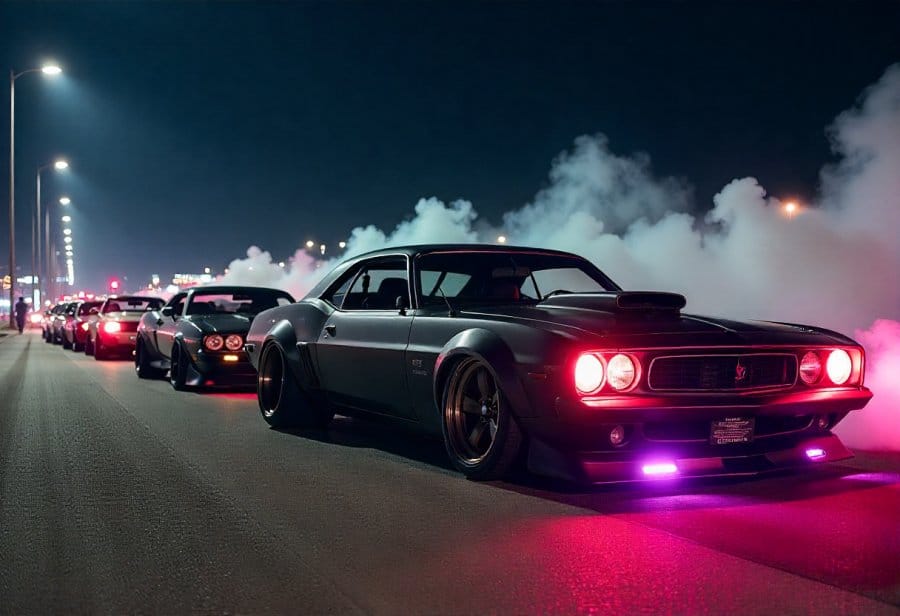
The Pulse of Today’s Underground Racing Scene
Today, underground street racing remains a lively and rapidly evolving scene, driven by passionate communities that connect through both online platforms and in-person meetups. Racers continue to push their cars to new heights with the latest modifications, from turbo upgrades to digital tuning, keeping the adrenaline alive and the competition fierce. Social media sites like Instagram and TikTok have become vital tools for sharing clips, building reputations, and organizing secret races, helping to sustain and grow the scene despite increasing law enforcement efforts.
The cars themselves reflect a mix of styles and influences. Japanese models like Nissan Skylines, Subaru WRXs, and Honda Civics often dominate, adorned with turbochargers, custom exhausts, and suspension tweaks. American muscle cars such as Ford Mustangs and Chevys also hold their ground, prized for their raw power and bold looks. Most races are straight-line drag contests, where precision timing and acceleration are everything, but head-to-head duels on quiet streets are still common. Racers are constantly finding new ways to stay ahead of the authorities, often operating in smaller, more hidden groups.
Online communities are at the heart of the current scene, with crews and forums facilitating the exchange of ideas, technical advice, and support. These networks allow racers to organize clandestine events across cities and even countries, creating a broader brotherhood that transcends local boundaries. Encrypted messaging apps and secret locations are standard tools, helping racers stay discreet and avoid detection while maintaining the camaraderie that defines this culture.
Loyalty and respect are the core values that keep these communities united. Crews develop their identities through decals, custom paint jobs, and shared modifications, turning their cars into symbols of allegiance. Building and maintaining these machines isn’t just about performance—it’s a way to demonstrate trust and pride within the group. These symbols of loyalty foster a sense of belonging, turning individual passion into collective identity and kinship.
Despite the mounting surveillance and crackdown efforts, the scene continually adapts. Smaller, more covert groups operate with shared secrets and unspoken codes of trust. Techniques like encrypted chats, operating in obscure locations, and timing races during less obvious hours help keep these activities alive. This resilience allows underground racing to persist as a form of rebellion, community, and personal expression, even in increasingly restricted urban environments.
Looking ahead, the scene is poised for further evolution. Electric vehicles and smart tuning applications are opening new possibilities for modifications, promising faster speeds and more sophisticated builds. The global online community will likely grow stronger, connecting racers across borders and fostering a sense of kinship that defies geography. Yet, at its core, the principles of loyalty, respect, and brotherhood remain unchanged, ensuring the culture’s survival amid technological and legal shifts.
In the end, underground street racing is more than just a pursuit of speed. It’s a space where bonds are forged in the shadows, where rivals become family through shared risks and victories. This culture’s resilience lies in its ability to adapt while holding onto its foundational values—trust, loyalty, and adrenaline. As long as city streets call out for speed and connection, underground racing will continue to thrive as a symbol of rebellion and kinship in the night.
Loyalty and Brotherhood Fuel the Shadowy Tracks
Underground street racing is about more than just cars and speed; it’s about the bonds that form when people share risks, victories, and setbacks in the shadows of the city. Loyalty is the backbone of these crews, built through countless late-night drives, shared secrets, and mutual support during dangerous races. When the authorities close in or rivals challenge their loyalty, it’s this unwavering trust that keeps them united. Knowing that your crew has your back—whether in technical help or in a tight spot—creates a sense of safety and belonging that can’t be found elsewhere.
These relationships often start simply, with friends united by a common passion for speed. Over time, they deepen through shared experiences—trusting instincts during high-stakes races, supporting each other after close calls, or exchanging parts and advice. These moments forge a brotherhood rooted in adrenaline and mutual respect. The bonds extend beyond racing—these crews become a second family, offering support in life’s challenges and celebrating each other’s successes with genuine pride.
Cars serve as more than transportation; they are symbols of loyalty and identity. Racers invest hours customizing their machines—adding decals, unique paint jobs, and performance upgrades—as a display of allegiance. These modifications often involve collective effort, reinforcing trust and shared purpose. When a crew’s signature symbols appear on a car, they broadcast their loyalty outward, turning the vehicle into a mobile badge of honor. Maintaining these machines becomes a ritual that strengthens the connection, transforming individual passion into a collective statement of kinship.
In an environment fraught with legal risks and dangers, this loyalty becomes essential to survival. It’s the glue that holds the scene together amid crackdowns and surveillance. Acts of trust—sharing secret locations, operating in smaller groups, or warning each other of authorities—are what sustain the culture. This deep-seated loyalty ensures that even when the streets grow quieter, the spirit of brotherhood remains alive, fueling resilience and ongoing defiance.
Night racing itself acts as a bonding ritual, where shared risks forge unbreakable ties. In the darkness, racers learn to read each other’s signals, trusting their skills and instincts. The close calls, victories, and escapes become stories that deepen their connection, turning rivals into family. These experiences create a collective identity rooted in adrenaline, loyalty, and the thrill of defiance, making the scene more than just a sport—it’s a shared life.
Ultimately, the brotherhood behind underground street racing embodies a profound sense of belonging. It’s a community built on trust, loyalty, and the relentless pursuit of freedom. Even as laws tighten and technology advances, these bonds endure, driven by a shared understanding that the true power lies not just in the cars, but in the people who race them. It’s this unshakable kinship that fuels the culture, turning rivals into lifelong family in the shadows of the streets.
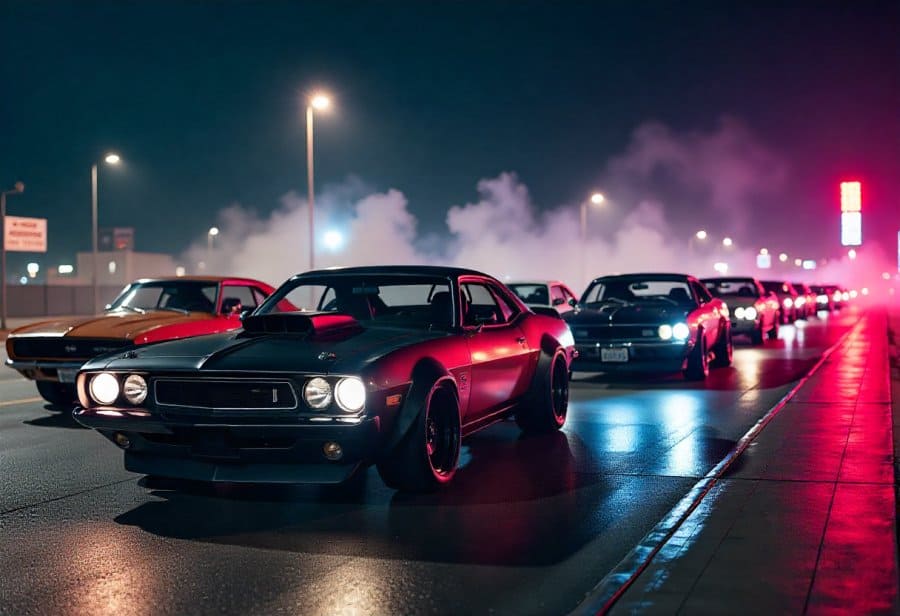
Gazing Into the Future of Underground Speed and Kinship
The future of underground street racing is set to be as dynamic and unpredictable as its history. Advances in vehicle technology, especially the rise of electric cars, are opening new frontiers for modifications that blend innovation with tradition. Electric motors offer incredible speed potential and quieter operation, making clandestine races more feasible and less detectable. Digital tuning apps and smarter vehicle control systems will enable racers to push their cars further, faster, and with greater precision, elevating the level of competition and technical skill involved.
At the same time, the online community continues to grow, serving as the backbone for organizing clandestine events and sharing knowledge. Platforms like Instagram and TikTok are not just tools for showcasing cars—they’re digital hubs for coordination, reputation-building, and community bonding. These connections foster a sense of kinship that extends beyond local borders, creating a global brotherhood of racers united by shared passion and mutual support. Yet, this digital expansion draws increased scrutiny from law enforcement, prompting racers to adopt encrypted messaging, operate in less obvious locations, and develop more sophisticated tactics to stay under the radar.
Legal pressures remain a significant challenge. Authorities are deploying advanced surveillance techniques—such as traffic cameras, social media monitoring, and data analysis—to crack down on illegal races. This forces racers into smaller, more secretive groups that rely heavily on trust and unspoken codes. Operating in hidden spots, timing races during off-peak hours, and using encrypted communications have become standard methods of evasion, ensuring the scene’s resilience despite mounting crackdowns.
Technological innovation doesn’t stop at electric power. Smart tuning tools, lightweight materials, and aerodynamic enhancements are pushing traditional concepts of speed and performance. These developments create a new breed of modified cars that combine raw power with digital precision, making races more intense and unpredictable. As electric and hybrid vehicles become more mainstream, a new wave of innovation will likely reshape the scene, blending eco-consciousness with the adrenaline rush.
Looking ahead, the scene is poised for further globalization. Online forums, encrypted channels, and virtual meetups will connect racers across countries, turning underground racing into a truly international kinship. This digital connectivity, combined with technological advances, will continue to foster innovation, camaraderie, and a shared rebellious spirit. Despite the challenges, the core values of loyalty, respect, and brotherhood will remain the driving force behind the evolution of underground racing.
Even as legal and safety concerns grow, the culture’s adaptability ensures it endures. The desire for freedom, connection, and adrenaline is too strong to fade away. New generations of racers will find creative ways to keep the spirit alive, transforming obstacles into opportunities for innovation and solidarity. The underground scene’s resilience stems from its ability to reinvent itself while staying true to its foundational bonds.
In essence, underground street racing’s future is a story of continuous evolution—driven by technology, connectedness, and an unbreakable desire for rebellion. It’s a culture that will keep pushing boundaries, forging deeper bonds, and redefining what it means to race in the shadows. As long as streets call out for speed and kinship, this high-octane brotherhood will persist, fueled by innovation, loyalty, and the relentless pursuit of freedom.
 yvieN
yvieN  ronT
ronT  antM
antM