
Few moments embody pure joy like a dog’s outdoor walk—tails wagging, noses twitching at new scents, and hearts brimming with trust and happiness. These routines are more than physical exercise; they’re gateways to emotional bonding, mental stimulation, and sensory exploration. But what makes these simple outings so profoundly meaningful for both pets and owners? As biochemical responses release feel-good hormones and exploration fuels confidence, outdoor walks transform into vital rituals of trust and discovery. Yet, the challenge lies in balancing safety, variety, and mindfulness to maximize their benefits. Could intentional, enriched routines deepen a dog’s well-being and strengthen the human-animal bond? This evolving understanding highlights that each walk is an opportunity—not just for movement but for shared adventure, emotional growth, and lasting memories. When owners recognize the science and instinct behind canine happiness, outdoor strolls become more than routine—they become cherished moments of life’s simplest joys.
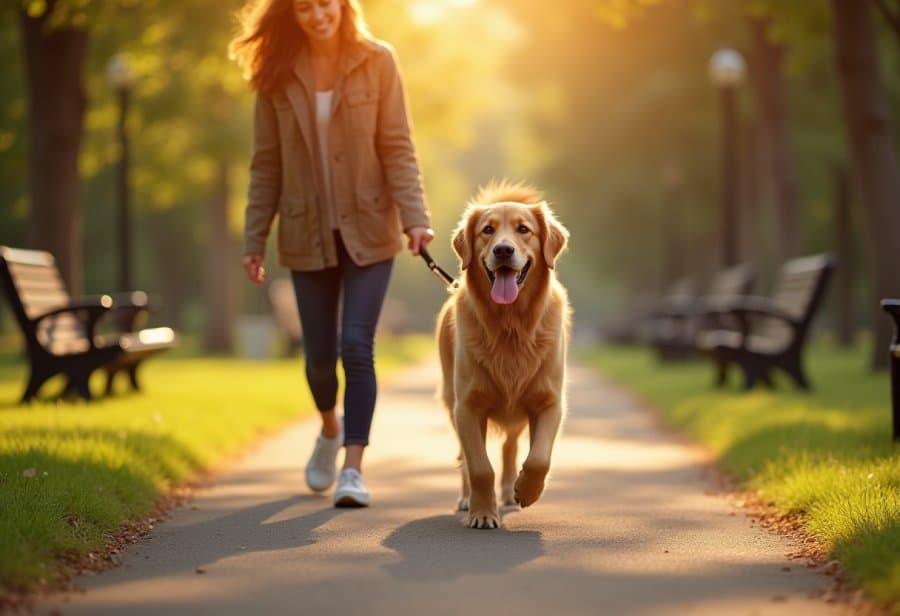
Discover the Pure Joy of Outdoor Walks with Your Dog
Few moments in a dog’s day bring more pure joy than a walk outside with their favorite person. It’s a simple routine, but one that transforms into a celebration of life for our furry friends. With tails wagging and noses twitching at every new scent, dogs experience the world through their senses, soaking in sights, sounds, and smells that make them feel truly alive.
For dog owners, these outings go beyond just exercise. They’re opportunities to bond, to take a peaceful break from daily stress, and to witness their pet’s unfiltered happiness. Watching a dog’s face light up at a squirrel’s scamper or a bird’s song reminds us how much pleasure can come from these small, everyday moments. It’s in that shared happiness that trust and connection deepen.
Outdoor walks create a world of discovery that appeals to dogs of all ages and lifestyles. Stepping outside allows them to explore their environment freely, satisfying their natural curiosity. Scenting new smells, feeling different textures under their paws, and hearing unfamiliar sounds stimulate their senses and boost their mood. These routines are vital for preventing boredom and anxiety, helping dogs feel confident and secure.
Beyond physical health, these walks nourish emotional well-being. As dogs navigate their surroundings alongside their owners, they develop a sense of security and independence. Each positive experience reinforces their trust and deepens the bond shared. When dogs are allowed to sniff, explore, and follow their instincts, outdoor walks become more than routine—they turn into meaningful adventures that enrich their lives.
Ultimately, the joy of outdoor walks lies in their simplicity and their power to connect us with our pets. They remind us that life’s most meaningful moments often happen in the quiet, unstructured hours spent together in nature. These walks aren’t just about movement; they’re about celebrating life, fostering trust, and creating memories that last a lifetime.
Uncover the Scientific Secrets Behind Your Dog’s Happiness
The happiness dogs feel during outdoor walks isn’t just a coincidence; it’s deeply rooted in their biology and natural instincts. When a dog begins exploring a new environment, their brain releases chemicals like endorphins and dopamine—those feel-good hormones that make us smile too. This biochemical response explains why a simple walk can instantly lift a dog’s mood and reinforce their sense of well-being. Their curiosity, driven by a keen sense of smell, hearing, and sight, fuels this excitement. Sniffing a new scent or hearing a distant bird triggers a wave of discovery that satisfies their innate need to investigate and learn.
Physical movement plays a vital role in this happiness. Walking, trotting, or even a gentle stroll helps release these mood-enhancing chemicals, supporting their mental and physical health. Regular activity keeps their muscles strong, maintains a healthy weight, and benefits their cardiovascular system. But the benefits go beyond the physical; these outings also stimulate their minds. Exposure to different sights, sounds, and smells keeps boredom at bay and reduces behavioral issues like excessive digging or chewing.
Emotionally, outdoor walks nurture trust and confidence. When dogs explore alongside their owners, positive experiences reinforce their feeling of safety and security. Every new environment or social encounter deepens their bond with their humans and boosts their independence. As confidence grows, dogs tend to relax more and enjoy future outings even more, creating a cycle of mutual trust and happiness.
A dog’s natural curiosity is a core driver of their outdoor joy. They are explorers by nature, driven to sniff, investigate, and learn from their surroundings. Allowing dogs to follow their noses and take their time exploring gives them a sense of control and autonomy, which reduces anxiety and builds trust. These moments of discovery aren’t just pleasurable; they are essential for their mental well-being, giving them purpose and satisfaction beyond basic exercise.
Interactions with other animals, people, and the environment add another layer of joy. Positive social encounters during walks help dogs develop better communication skills and confidence. Different settings—from lively parks to quiet trails—offer sensory variety that keeps their minds engaged and prevents routine boredom. This diversity encourages curiosity, making each walk an adventure rather than a chore, and helps dogs become more adaptable and resilient.
All these factors—biochemical responses, physical activity, emotional bonds, and sensory exploration—combine to make outdoor walks a fundamental source of canine happiness. When owners understand the science behind their dog’s joy, they can better design routines that maximize these benefits. Taking time to allow dogs to explore freely and safely transforms routine walks into meaningful experiences that nourish their body and spirit, deepening the bond and ensuring each outing is a moment of genuine happiness.

Deepen Your Understanding of What Truly Makes Dogs Happy Outdoors
Dogs find happiness outdoors through a rich tapestry of sensory engagement, exploration, and social interaction. Their highly developed senses are constantly stimulated by sights, sounds, and smells—bright flowers, passing animals, bustling people—that satisfy their innate curiosity. This sensory variety isn’t just pleasurable; it’s vital for their mental health, providing ongoing mental stimulation that helps prevent boredom and behavioral issues. When a dog sniffs a new scent or hears an unfamiliar noise, they activate natural instincts that create feelings of excitement and contentment, giving them a deep sense of discovery.
Physical movement during outdoor walks plays a key role in boosting their happiness. Whether trotting, running, or leisurely strolling, movement releases endorphins and other feel-good chemicals in their brains. This biochemical response supports their emotional well-being and physical health, helping to keep muscles strong, maintain a healthy weight, and improve cardiovascular health. The variety of environments they encounter—dappled woods, lively parks, quiet trails—adds to this joy by constantly engaging their senses and minds, reducing boredom and preventing destructive behaviors.
Beyond sensory and physical stimulation, outdoor walks strengthen emotional bonds between dogs and their owners. When dogs explore alongside trusted humans, they associate these outings with safety and positive experiences. As they become more confident in new settings, their sense of independence grows, making future adventures more relaxed and enjoyable. This cycle of trust and confidence deepens the connection, turning routine walks into meaningful moments of mutual happiness and trust.
A dog’s natural curiosity fuels their outdoor joy. Driven to sniff, investigate, and learn from their surroundings, they thrive on autonomy and discovery. Allowing them to follow their noses and explore at their own pace fosters a sense of control, reducing anxiety and building trust. These moments of autonomy aren’t just pleasurable—they’re essential for their mental well-being, giving purpose to each walk and reinforcing their confidence in unfamiliar environments.
Social interactions with other dogs, people, and wildlife add another layer of joy. Positive encounters during walks teach dogs social cues, boost confidence, and broaden their comfort zone. Different settings—busy parks, quiet trails—offer sensory diversity that keeps their minds sharp and engaged. This variety prevents routine boredom and helps dogs develop adaptability, resilience, and a more positive outlook on new experiences.
All these elements—biochemical responses, movement, social encounters, and sensory exploration—combine to make outdoor walks a core source of canine happiness. When owners understand and support these natural drivers, they can craft routines that maximize their dog’s mental and emotional well-being. Each walk becomes more than exercise; it transforms into a meaningful adventure that nurtures trust, curiosity, and joy, creating a bond that’s stronger with every step.
Transform Routine Walks into Enriching Adventures with Practical Tips
To make outdoor walks truly rewarding for your dog, start by selecting routes that match their age, breed, and energy level. Short, relaxed strolls suit older or less active dogs, while more energetic breeds thrive on longer adventures. Changing up your routes keeps things fresh—try parks, nature trails, or quiet neighborhoods—to stimulate their senses and prevent boredom. The variety of sights, sounds, and smells turns each outing into a new discovery, making walks more engaging for your furry friend.
Safety comes first. Use a well-fitting harness or collar and a sturdy leash that gives you control without causing discomfort. Carry essentials like water, especially on warm days, and watch out for hazards such as hot pavement, sharp objects, or busy roads. Pay attention to your dog’s cues—if they seem overwhelmed or tired, it’s okay to pause or cut the walk short. Consistency helps your dog feel secure and eager, transforming routine outings into moments they look forward to.
Vary your pace during walks. Sometimes, walk briskly to burn off energy; other times, slow down to allow your dog to sniff and explore. Exploring different environments—from lively parks to peaceful woods—adds sensory richness, deepening their curiosity and trust. This variety prevents routine boredom and helps your dog develop confidence in new settings, making each walk a mini adventure rather than just exercise.
Positive reinforcement enhances the experience. Reward your dog with treats, praise, or their favorite toy when they respond well—especially during encounters with new sights or sounds. Introducing unfamiliar areas gradually builds their confidence and makes the outing more enjoyable. Over time, these rewards create associations that encourage curiosity and calmness, making walks a source of joy rather than stress.
Planning ahead makes outings safer and more enriching. Check the weather—avoid walks during extreme heat or cold—and always have water available. If your dog has specific health needs, tailor the length and intensity of walks accordingly. Paying attention to these details ensures each adventure is safe and comfortable, reinforcing positive habits and trust.
Building a routine with small, consistent steps can turn walks into cherished rituals. Celebrate your dog’s small successes—like calmly passing other animals or exploring a new scent—and reinforce these moments with gentle praise. When your dog associates walks with positive feelings, they’ll become more eager and relaxed, transforming each outing into a meaningful experience that deepens your bond.
Patience and mindfulness are key. Keep an eye on your dog’s body language and mood, adjusting the pace or route as needed. A relaxed, confident dog is the goal, and that takes time. As you develop a routine that respects their natural instincts and preferences, each walk becomes more than just movement—it’s a shared adventure full of discovery and trust.
Finally, embrace the idea that outdoor walks are opportunities for connection and joy. By thoughtfully planning and tuning into your dog’s needs, you turn routine outings into meaningful moments. These walks strengthen your bond, nurture your dog’s curiosity, and create lasting memories—making everyday walks one of life’s simplest, yet most profound, pleasures.

Reflect and Innovate: The Future of Joyful Dog-Walking Practices
Outdoor walks have proven to be more than just routine activities—they are vital moments that nurture a dog’s happiness and strengthen the bond with their owner. As awareness of their broader benefits grows, many pet owners are approaching these outings with greater intention, seeing them as opportunities for mental stimulation, emotional connection, and sensory engagement. This shift reflects a deeper understanding that daily walks are foundational to a dog’s overall well-being, not simply a chore to be checked off the list.
Looking ahead, the future of dog-walking practices is increasingly personalized and innovative. Advances in technology, such as GPS trackers and scent enrichment tools, allow owners to tailor routines that cater to their dog’s unique needs and preferences. Incorporating mental challenges like scent puzzles or obstacle courses can turn ordinary walks into enriching adventures. Such approaches deepen trust and curiosity, transforming each outing into a meaningful experience that supports a dog’s confidence and resilience.
Environmental diversity will continue to play a crucial role in maintaining canine joy. Exploring different settings—be it a shaded woodland trail, a bustling city park, or a quiet neighborhood—introduces fresh stimuli that keep dogs mentally sharp and emotionally fulfilled. These varied experiences prevent routine boredom and foster adaptability, helping dogs feel comfortable and confident in new environments. When owners prioritize variety, outdoor walks become moments of discovery and excitement rather than mere exercise.
Understanding the science behind a dog’s happiness informs a more mindful approach to routine walks. Recognizing that biochemical responses, sensory exploration, and social interactions all contribute to their joy encourages owners to create routines that maximize these factors. This awareness promotes patience and attentiveness, ensuring each walk is not just beneficial physically but also enriching emotionally. It’s about crafting experiences that respect their natural instincts and foster trust.
As we refine our approach, it becomes clear that outdoor walks are a shared journey—an ongoing opportunity to nurture trust, curiosity, and love. When routines are designed with intention, they transform from simple daily tasks into cherished rituals. These moments of connection help dogs feel secure, understood, and loved, strengthening the human-animal bond in profound ways.
The ongoing evolution of dog-walking practices underscores a simple truth: these routines are about more than movement—they’re about creating a life of joy, confidence, and mutual respect. Embracing new ideas, tools, and environments ensures each walk continues to nourish both body and spirit. It’s a chance to turn everyday moments into lasting memories, fostering a sense of adventure and companionship that endures through the years.
In the end, the key lies in mindfulness and intention. By paying close attention to a dog’s cues and needs, owners can turn routine outings into meaningful experiences that support their pet’s mental and emotional health. The simple act of walking becomes an expression of love and care, a daily ritual filled with discovery and trust. As we look to the future, this mindful approach promises to keep outdoor walks a cornerstone of canine happiness—more than just steps, but moments that truly matter.
 yvieN
 ronT
 antM