
Imagine transforming chaotic walks into peaceful bonding moments—are you ready to master the art of calm dog walking? This guide reveals how patience, consistent training, and positive reinforcement can turn daily outings into harmonious experiences. Through real-life success stories and practical strategies, you’ll discover how to teach your dog to walk politely at your side, building trust and mutual respect. From understanding foundational principles to managing common challenges, the content delves into tailored techniques and the importance of the right resources. It also emphasizes the significance of effective planning and risk management, ensuring safety and confidence on every walk. By fostering a relaxed, focused demeanor, you not only enhance your dog’s behavior but deepen your bond, turning routine strolls into shared moments of joy. Are you prepared to unlock a new level of connection and make every walk a rewarding adventure?
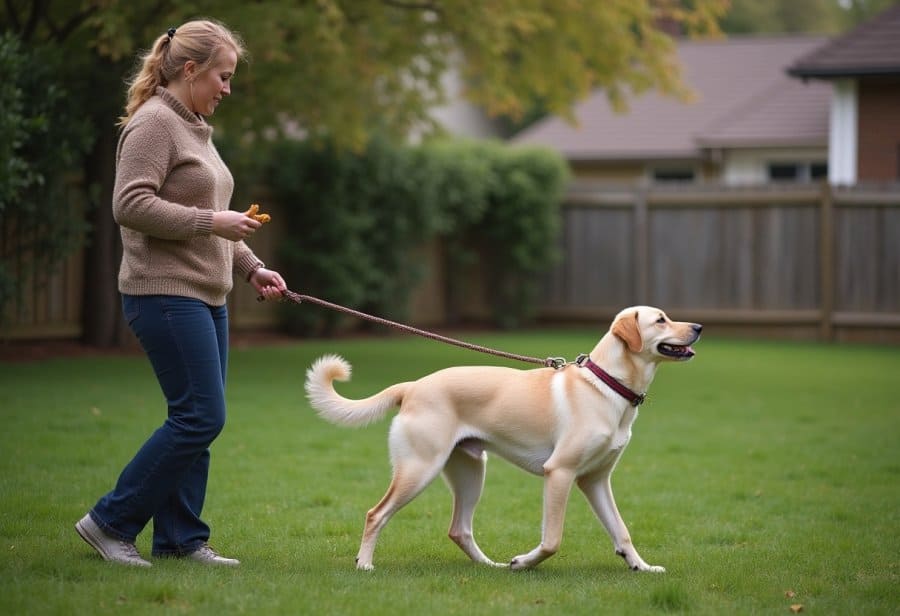
Transform Your Routine with Calm Dog Walking: A Guide to Peaceful Outings
Walking calmly with your dog might seem straightforward, but it’s a skill that can truly transform your daily routine. When your dog learns to walk in a relaxed, focused manner, outings become more enjoyable and less stressful for both of you. Peaceful leash training creates a shared sense of trust and understanding, turning what could be chaotic moments into opportunities for connection. It’s not just about good manners; it’s about building a bond where both of you feel confident and comfortable.
A calm walk helps reduce frustration caused by pulling or distraction. When your dog stays attentive and relaxed, you’re less likely to be pulled off balance or overwhelmed by their energy. This makes walks safer and more controlled, enhancing the experience for everyone involved. Plus, a dog that walks calmly is easier to manage, which means fewer surprises and greater peace of mind.
Beyond the practical benefits, peaceful walks deepen your emotional connection. When your dog is focused and relaxed, they trust you more, and you become more attuned to their cues. These quiet moments of companionship strengthen mutual respect and help develop a stronger bond. Over time, routine walks evolve into shared experiences that foster harmony and trust.
Learning to walk calmly isn’t just about training your dog; it’s about creating positive emotional moments for both of you. When your dog is calm and attentive, walks become a source of joy rather than frustration. This calmness can ripple into other areas of your relationship, making everyday interactions more harmonious and fulfilling.
This guide will introduce you to practical strategies that help your dog walk confidently by your side. You’ll learn techniques like mastering the heel command and building trust through positive reinforcement. By applying these principles, you’ll turn daily walks into peaceful, bonding adventures that strengthen your relationship and make every outing a pleasure.
Laying the Groundwork for Harmony: Principles of Calm Leash Training
Building a strong foundation for calm leash training begins with understanding the core principles that foster harmony between you and your dog. Clear communication plays a vital role; using consistent commands paired with positive reinforcement helps your dog grasp what’s expected without confusion. This approach creates a trusting environment where your dog learns that calm behavior is rewarded, making obedience feel natural rather than forced.
Patience is equally important. Training takes time, especially when establishing new habits and building trust. By remaining calm and persistent, you help your dog feel secure and more willing to learn. When your dog recognizes that relaxed walking leads to treats and praise, they become more attentive and focused during outings.
Your handling style and choice of words set the tone for successful training. Commands like “heel” or “let’s go” should be used consistently and paired with gentle guidance. This respectful approach replaces outdated dominance methods and nurtures mutual respect. Over time, your dog will associate these cues with positive experiences, reinforcing calm leash manners.
It’s also crucial to consider your dog’s individual needs. Factors such as breed, age, and temperament influence their responsiveness and learning pace. Tailoring your training strategies to suit their personality makes the process smoother and more effective, preventing frustration on both sides.
Modern leash training emphasizes kindness and positive reinforcement over corrections. Rewards like treats, praise, or toys for calm, focused behavior help your dog associate walking politely with good things. This method not only accelerates learning but also strengthens your bond through trust and mutual understanding.
Creating a calm environment for training sets the stage for success. Starting in quiet, familiar spaces minimizes distractions and helps your dog focus on your cues. As they improve, gradually introduce more stimulating settings to help them generalize calm behaviors across different situations.
By laying this solid groundwork, you set the scene for peaceful leash walks and a deeper bond. Clear communication, patience, and tailored strategies build trust and encourage your dog to walk beside you with confidence. This foundation ensures that every walk becomes a positive, bonding experience rooted in mutual respect and understanding.
Key Elements for Peaceful Walks: Building Trust and Mastering Commands
Achieving calm dog walking depends on several key elements working together smoothly. The heel command is fundamental; when your dog consistently walks at your side on cue, it creates a clear, shared understanding. Reinforcing this behavior with praise and treats helps your dog see walking politely as rewarding, making calmness feel natural rather than forced.
Building trust is equally vital. Positive reinforcement—rewarding your dog for focused, relaxed behavior—encourages them to stay attentive and reduces distractions. This approach turns walks into pleasant experiences, fostering confidence and cooperation over time. Patience and persistence are crucial, especially with energetic or easily distracted dogs, as progress is often gradual but steady.
Managing common challenges like pulling or lunging requires tailored strategies. Redirect your dog’s attention with treats or commands, and consider tools like no-pull harnesses or head collars to assist during training. These tools help control unwanted behaviors while maintaining a positive, stress-free environment. When your dog learns that calm walking results in rewards, they become more focused and relaxed, even in stimulating settings.
Creating an environment conducive to calm behavior is essential. Starting in quiet, familiar spaces reduces distractions and helps your dog learn good leash manners. As they improve, gradually introduce more stimulating areas to help them generalize their calm demeanor across different situations. This step-by-step approach builds resilience and confidence, making peaceful leash walking a natural part of your routine.
Consistency is the glue that holds these elements together. Using the same cues, rewards, and handling style across outings reinforces learning and prevents confusion. Regular practice solidifies good habits, transforming calm dog walking from an occasional effort into a dependable routine.
Ultimately, the harmony of clear communication, trust, tailored strategies, and consistent practice creates a peaceful walking experience. When all these components align, your dog learns to walk beside you confidently, turning every walk into a shared moment of joy and connection.
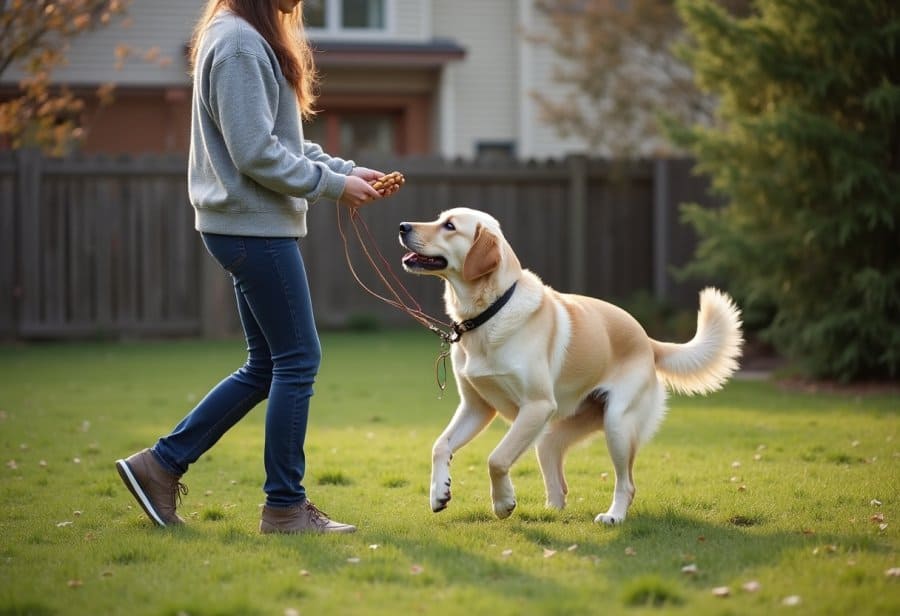
Success Stories in Calm Dog Walking: Real-World Strategies and Transformations
Real-world examples highlight just how much consistent training and patience can transform chaotic walks into peaceful bonding moments. Take Max, a lively Labrador who used to pull fiercely in busy parks. After dedicating time to the heel command and rewarding calm behavior, Max gradually learned to walk politely beside his owner, even amidst distractions. Now, their walks are relaxed, enjoyable, and a true reflection of the progress they’ve made together.
Similarly, Bella’s story shows how trust-building exercises can turn stressful outings into calming experiences. A rescue dog initially anxious and reactive to other dogs, Bella’s owner worked patiently with gentle redirection and positive reinforcement. Over time, her walks became calm and focused, strengthening their bond and reducing her reactivity. These stories prove that with tailored strategies and perseverance, meaningful progress is within reach, regardless of where you start.
Another example is Scout, a border collie prone to distraction and pulling on the leash. Through consistent reinforcement of the heel command and plenty of praise for focused behavior, Scout learned to stay attentive even in stimulating environments. Their walks shifted from tense to tranquil, demonstrating that small, deliberate steps can lead to lasting change and greater harmony.
Daisy’s journey as a rescue dealing with lunging and anxiety underscores the importance of patience and gentle guidance. Over weeks of steady practice, she gained confidence, and their outings became calmer and more predictable. These examples emphasize that dedication, tailored approaches, and positive reinforcement unlock the potential for most dogs to walk calmly, turning daily routines into shared successes.
These real-world stories aren’t just about training—they’re about strengthening your relationship with your dog. Starting in quiet spaces and gradually increasing distractions builds confidence and resilience. With consistent effort, peaceful leash walks become a shared achievement, deepening trust and transforming every outing into a bonding moment that you and your dog will cherish.
Equipping for Success: Resources, Budgeting, and Planning Your Dog Walks
Having the right resources in place makes a real difference when working on calm leash training. Investing in quality equipment, like a well-fitting harness or a gentle head collar, can improve control and keep your dog comfortable during walks. The right gear not only enhances safety but also boosts your confidence, making it easier to guide your dog through new behaviors. While these tools might seem like an upfront expense, they often pay off in smoother training sessions and more relaxed outings.
Budgeting wisely is key to staying consistent with your training plan. Treats, clickers, and toys for reinforcement are affordable and highly effective in motivating your dog to stay calm and attentive. If you’re considering professional help, local trainers or classes can accelerate progress, especially if your dog faces specific challenges. Although they might require a bit more investment, personalized guidance can make a noticeable difference in your results.
Planning your training schedule around daily routines helps turn practice into a habit. Short, regular sessions—around 10 to 15 minutes—are more effective than sporadic, longer ones. Consistency is vital; practicing in familiar, low-distraction environments first builds a solid foundation. As your dog progresses, gradually introduce busier settings to help them generalize calm behaviors across different situations, making peaceful walks more natural and reliable.
Utilizing community resources and online platforms can support your training efforts. Local shelters and pet organizations often offer workshops or affordable classes, while online tutorials and courses provide flexible learning options. Combining these resources allows you to craft a personalized plan that fits your budget and your dog’s needs, setting the stage for long-term success.
Finally, consider building a contingency fund for unexpected expenses. Whether upgrading gear or booking extra training sessions, having a financial buffer ensures your progress remains steady. Consistent investment in quality tools and guidance not only makes calm, joyful walks achievable but also deepens the bond you share with your dog every day.
Step-by-Step Strategies for Effective, Calm Routine Implementation
Establishing a clear and manageable training routine is essential for making consistent progress with your dog. Start by setting specific, achievable goals—like walking without pulling or maintaining focus for a certain time—and break them into smaller steps. This approach keeps both you and your dog motivated and prevents frustration. Begin with short sessions practicing the heel command in quiet environments, then gradually increase the duration and introduce more distractions as your dog gains confidence.
Consistency is the backbone of effective training. Practice at roughly the same times each day and in familiar places to help your dog understand what to expect. Use the same commands and rewards consistently to reinforce learning and avoid confusion. If multiple people are involved, ensure everyone adopts the same approach so your dog receives a unified message. Tracking your progress with a simple schedule or checklist helps maintain organization and highlights what works best.
Pay close attention to your dog’s responses during each session. If focus wanes or your dog becomes overwhelmed, adapt by shortening sessions or increasing rewards. Patience plays a vital role—remember that small, steady steps are more effective than rushing. Celebrating each small victory encourages your dog and builds a positive association with training.
Incorporate routines that fit naturally into your daily life, turning training into a habit rather than a chore. Practice in low-distraction environments first, then slowly introduce busier areas to help your dog generalize calm behaviors. This gradual exposure builds resilience and confidence, making peaceful walks a consistent part of your routine.
A flexible approach is key. Every dog learns at their own pace, so stay patient and keep a positive attitude. Regularly evaluate your methods and adjust as needed, ensuring training remains engaging for your dog and effective for you. With a solid plan and steady execution, peaceful, confident walks will become an enjoyable, shared achievement that strengthens your bond every day.
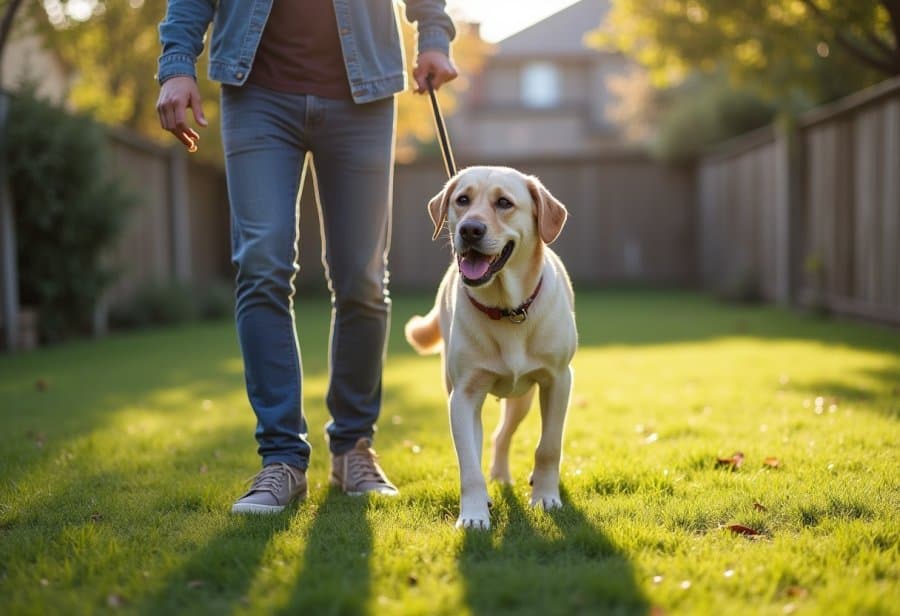
Staying Safe: Managing Risks and Overcoming Challenges During Walks
When walking your dog, staying alert to potential risks helps keep everyone safe. Busy streets, other animals, loud noises—these common distractions can suddenly unsettle your dog or cause unexpected pulls. Being aware of your surroundings allows you to choose safer routes and respond quickly if your dog reacts. Opting for quieter, familiar areas reduces stress and helps maintain control, making the walk more enjoyable for both of you.
Behavioral challenges like lunging or reactive barking often stem from fear, frustration, or overexcitement. Recognizing early warning signs enables you to intervene calmly. Redirect your dog’s focus with treats or commands and practice gradual desensitization in controlled environments. Consistent, gentle guidance helps your dog learn better responses over time, transforming stressful moments into opportunities for trust and calmness.
Environmental hazards such as uneven terrain, slippery surfaces, or sharp objects can pose hidden dangers. Always scan your route before heading out, especially in unfamiliar areas. Using a secure harness and maintaining a firm grip on the leash prevents sudden escapes or pulls, particularly on tricky terrain. Avoiding areas with obvious hazards ensures your walk remains safe and stress-free, especially while your dog is still mastering leash manners.
Unexpected incidents can happen even in the safest settings. If your dog reacts suddenly or pulls, stay calm and redirect their attention with commands or treats. Carry essentials like treats, a clicker, or calming aids to help manage surprises smoothly. Preparing for these moments keeps the walk enjoyable and reinforces your role as a responsible owner who can handle challenges confidently.
Having a clear emergency plan adds an extra layer of safety. If your dog shows signs of fear or aggression, calmly remove them from the situation before it escalates. Basic first aid knowledge for minor injuries or bites can be invaluable. Addressing risks proactively fosters a positive environment, allowing your dog to feel secure and confident during every walk.
 lissyY
 yvieN
 ronT