
Could true strength lie not in external conquests but in mastery over oneself? Marcus Aurelius’s life embodies this paradox, demonstrating that inner discipline—guided by Stoic virtues—can be the most enduring form of power. As Roman emperor and philosopher, he faced wars, plagues, and political intrigue, yet his true legacy rests in his unwavering self-control, patience, and moral clarity. His writings reveal a leader who believed that resilience and wisdom, cultivated through daily reflection and inner resilience, surpass external achievements. This timeless lesson challenges modern notions of success rooted in fame and material wealth, urging us to consider whether genuine authority stems from cultivating inner virtues. Marcus’s example offers a compelling blueprint: leadership grounded in self-mastery creates authentic influence, inspires trust, and leaves a legacy more resilient than any empire built on superficial power. In a world obsessed with external validation, his life asks: what kind of strength truly endures?
Quick Navigation
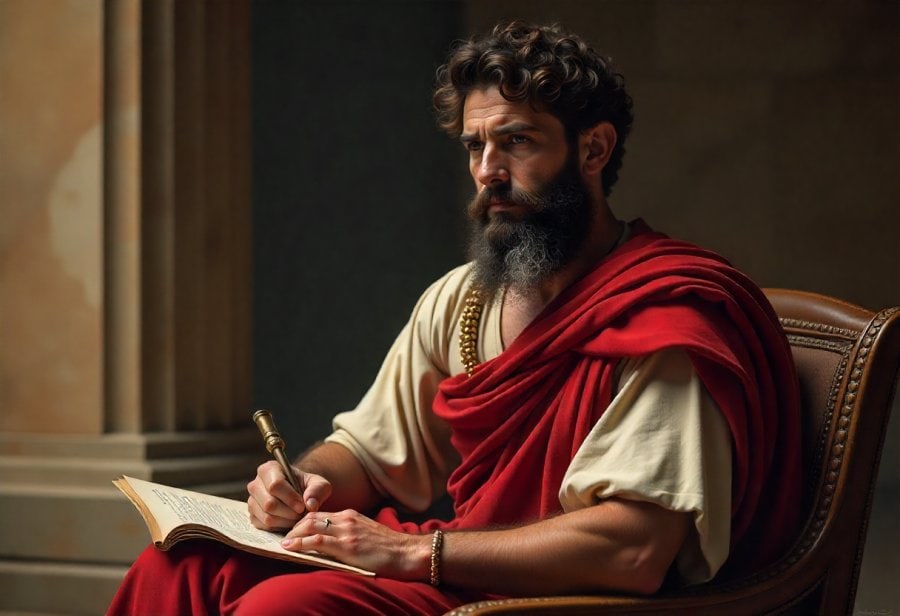
Inner Strength Over External Power: The True Mark of Great Leadership
What truly makes a great leader? Is it the ability to expand territories, command armies, or leave a lasting mark through external conquest? For many, power is measured by visible achievements—fortresses built, battles won, or empires stretched across continents. But beneath those outward displays lies a deeper question: what kind of strength endures over time? Could it be that the most lasting power comes not from what’s seen on the surface, but from within—through inner discipline, resilience, and wisdom?
This idea isn’t new. History offers countless examples of leaders who understood that true authority depends on mastering oneself. Marcus Aurelius, the Roman emperor and Stoic philosopher, exemplifies this perspective. Despite his role as a mighty ruler overseeing a vast empire, his real strength wasn’t in military victories or political influence. Instead, it was rooted in his ability to govern his own mind. His writings reveal a man committed to inner virtues—self-control, patience, and moral clarity—far more than external triumphs.
In today’s world, where success is often measured by external markers like fame, wealth, or status, the wisdom of Marcus Aurelius feels especially relevant. We tend to focus on achievements that are visible and tangible, overlooking the quiet resilience that sustains us through adversity. Yet, genuine strength—lasting and authentic—comes from within. It’s about remaining steady amid chaos, controlling our impulses, and acting with wisdom even when circumstances are challenging. These qualities, though unseen, shape the kind of leadership that leaves a true legacy.
The question then becomes: does inner discipline mean ignoring external challenges? Not at all. Instead, it emphasizes that our ability to face external difficulties depends on how well we can manage ourselves first. When leaders cultivate self-awareness and emotional mastery, they can respond thoughtfully rather than react impulsively. Marcus believed that true authority flows from this inner mastery, which provides a foundation that external power alone cannot sustain. Without it, even the greatest conquests can crumble.
Focusing on inner strength doesn’t diminish external achievements—it elevates them. Leaders who develop resilience and self-control act with consistency and authenticity, inspiring trust and loyalty. Their influence is rooted in moral integrity rather than superficial displays of dominance. Marcus Aurelius’s life reminds us that the most powerful rulers are those who recognize that the greatest empire they can build is within themselves. Inner discipline creates a lasting legacy that no external conquest can match.
Marcus Aurelius: A Philosopher King in a Tumultuous Empire
Marcus Aurelius ruled as Roman emperor from 161 to 180 AD, a period marked by both relative stability and significant challenges. His reign coincided with ongoing threats along the empire’s frontiers, especially from Germanic tribes and other barbarian groups pushing into Roman territory. Despite these external pressures, Marcus prioritized internal stability, wisdom, and philosophical reflection. His leadership unfolded during the Pax Romana, a time when peace allowed him to focus on governance and personal growth. Yet, even in times of peace, he faced plagues, economic strains, and political intrigue that tested his resilience and inner strength.
Growing up in a noble Roman family, Marcus received a rigorous education in rhetoric, literature, and philosophy. These early years laid the groundwork for his lifelong pursuit of Stoic ideals, which he found both practical and guiding amid chaos. Recognizing the importance of inner discipline, he embraced Stoic teachings early on, emphasizing self-control, resilience, and moral integrity. These principles became the foundation of his leadership, helping him respond to crises with calmness and clarity, setting him apart from many rulers of his era.
Throughout his reign, Marcus faced relentless military campaigns, notably along the Danube frontier against invading Germanic tribes. Balancing military strategy with moral reflection, he often contemplated the nature of duty and virtue amid chaos. Simultaneously, Rome was struck by devastating plagues that decimated populations and strained resources, challenging his patience and resilience. Navigating court intrigue and succession concerns, he maintained steady judgment and moral clarity, traits rooted in his philosophical training. His ability to stay centered amid such turmoil demonstrated that true strength stems from inner mastery.
The idea of a philosopher-king has roots in Plato’s writings, and Marcus exemplified this ideal. His dedication to Stoic virtues—wisdom, humility, and self-control—shaped his approach to leadership. His personal reflections, recorded in *Meditations*, reveal a man committed to moral integrity and rational judgment. He believed that a ruler’s greatest strength was not conquest or external power but mastery over oneself. His life and leadership continue to serve as a timeless example of how inner discipline can sustain a ruler through external chaos.
Marcus’s leadership was also shaped by the diverse and often restless empire he governed. Managing a sprawling territory required more than military might; it demanded inner resilience and moral clarity. His ability to remain true to Stoic principles amid external threats and internal unrest created stability and inspired confidence. This focus on inner strength allowed him to lead with authenticity, leaving a legacy rooted in wisdom and moral discipline that endures beyond his lifetime.
His external challenges, including invasions along the Danube and conflicts in the East, tested his resolve and strategic acumen. Yet, his responses were guided by calm and rationality, exemplifying how inner discipline can influence external actions. Marcus showed that effective leadership in wartime depends not just on force but on the strength of character and moral steadiness. His balanced approach underscored the core Stoic belief that true power begins within.
The influence of Marcus Aurelius’s Stoic philosophy extended far beyond his time, inspiring leaders across history. His emphasis on self-control, resilience, and moral clarity offers a blueprint for navigating chaos with dignity. His writings remind us that leadership rooted in inner virtues fosters genuine influence and trust, qualities that stand the test of time. Marcus’s life demonstrates that the greatest strength lies in mastering oneself, a lesson as relevant today as it was in ancient Rome.
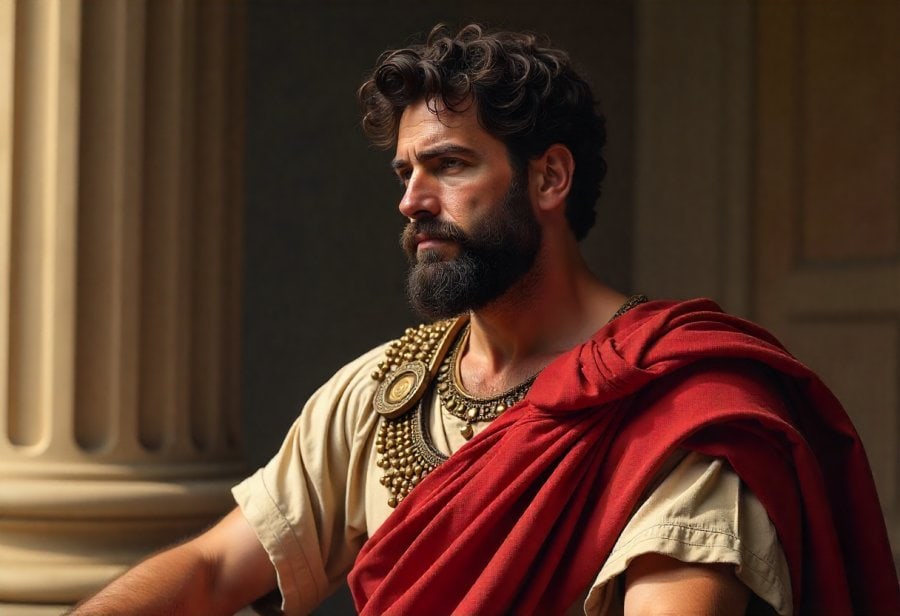
Stoic Virtues Unveiled: Building the Foundation of Inner Discipline
At the core of inner discipline lie the Stoic virtues that serve as guiding principles for mastering oneself. Self-control goes beyond merely resisting temptations; it’s about managing impulses and emotions so they do not override reason. Marcus Aurelius often reflected on the importance of maintaining a rational mind, acting in accordance with virtue even when passions threaten to cloud judgment. This discipline creates a mental space where decisions are made thoughtfully, helping leaders and individuals stay true to their principles.
Resilience builds on this foundation by providing the mental toughness needed to withstand setbacks without losing composure. It’s about cultivating a calm inner strength that remains steady amid chaos—whether facing war, loss, or personal hardship. Marcus’s daily reflections show that by embracing Stoic principles, he could confront adversity with patience and clarity. Resilience, then, isn’t about ignoring difficulties but viewing them as opportunities to practice virtue and strengthen inner resolve.
Wisdom, as the Stoics define it, extends beyond mere knowledge. It involves applying understanding to act morally and rationally in each situation. A wise person considers the long-term consequences rather than succumbing to fleeting impulses. Marcus believed that true strength came from aligning actions with reason and virtue. Cultivating wisdom requires ongoing learning, self-awareness, and humility—traits that keep inner discipline rooted in moral clarity and purpose.
These virtues don’t operate in isolation; instead, they reinforce each other. Self-control enables resilience by preventing emotional reactions from derailing judgment. Resilience supports wisdom by allowing us to remain calm and reflective during crises. Together, they create a resilient inner environment where growth and integrity flourish. Marcus’s writings reveal that developing this inner discipline is a continuous process—one that demands effort, patience, and daily reflection.
When these virtues are woven into daily life, they become powerful tools for leadership and personal development. Practicing small acts like pausing before responding or reviewing motives helps build the habit of self-mastery. Over time, these actions cultivate a resilient mindset capable of navigating life’s inevitable chaos. Marcus’s habit of journaling exemplifies this, as his reflections kept him grounded and focused on virtue amid turmoil.
Inner discipline fosters authentic leadership by encouraging actions rooted in moral clarity and patience. Leaders who embody these qualities inspire trust and respect, creating a culture of integrity that endures beyond superficial success. Acting from a place of inner strength makes decisions more consistent and morally grounded, leaving a legacy that’s built on genuine virtue. This internal foundation transforms external influence into something lasting and meaningful.
Ultimately, cultivating inner discipline is a lifelong pursuit. It involves daily effort and honest self-assessment, but the rewards are profound. A mind disciplined by virtue becomes a steady compass in turbulent times, guiding actions with clarity and purpose. Marcus Aurelius’s life demonstrates that true strength isn’t measured by external conquests but by mastery over oneself. This inner resilience and wisdom forge a legacy far more enduring than any empire—one rooted in the unshakeable power of self-control.
Harnessing Inner Strength: Practical Steps for Leaders and Individuals
Cultivating inner strength significantly shapes how leaders approach decision-making, handle crises, and inspire others. When someone develops a strong inner discipline, they tend to stay calm and focused, even when the pressure is intense. This steadiness allows for clearer thinking and more deliberate actions, replacing impulsive reactions with thoughtful responses. Leaders who embody this quality set a tone for their teams, demonstrating that true strength isn’t about dominance but about steady, authentic leadership.
Building resilience through inner discipline transforms setbacks into opportunities for growth. Instead of reacting with frustration or despair, those who practice self-control and reflection see challenges as chances to strengthen their inner resolve. They understand difficulties are part of the process and approach problems with patience and a problem-solving mindset. Over time, this resilience becomes a core trait, helping leaders and individuals navigate turbulent times with confidence and grace.
Self-awareness plays a crucial role in this process. Regular reflection on motives and actions helps leaders develop a clearer understanding of their true goals and values. This ongoing self-assessment prevents them from being swayed by fleeting emotions or external pressures, ensuring consistency and integrity in their decisions. Marcus Aurelius’s habit of journaling exemplifies how daily reflection can keep moral clarity front and center, reinforcing the habit of acting in accordance with virtue.
Inner discipline also nurtures authentic leadership. When actions are rooted in moral clarity and patience, followers naturally trust and respect their leaders. This creates a foundation of integrity that endures beyond superficial successes. Leaders who prioritize inner virtues cultivate cultures of honesty and mutual respect, inspiring others through moral example rather than external displays of power. Such influence is more enduring because it’s built on genuine inner strength.
Developing inner resilience isn’t a one-time effort but a daily practice. Simple routines like pausing before responding, revisiting motives, or setting clear intentions at the start of each day help reinforce self-mastery over time. Repeating these small acts cultivates a resilient mindset capable of withstanding external chaos. Marcus Aurelius’s habit of daily reflection kept him grounded, even amid turmoil, illustrating how consistent inner work builds mental fortitude.
As this inner discipline deepens, it naturally enhances personal growth and leadership effectiveness. Leaders become more patient, fair, and consistent, which fosters trust and strengthens their influence. Acting from a place of inner strength rather than external pressure ensures decisions are morally grounded and authentic. This internal foundation enables leaders to inspire genuine loyalty and leave a legacy rooted in wisdom and resilience.
In the end, cultivating inner strength transforms how we lead and live. It reminds us that true power begins within—through mastery over our thoughts, emotions, and impulses. When leaders focus on developing this inner discipline, they create a ripple effect, inspiring others to do the same. The result is a leadership style that endures beyond fleeting trends—firm, authentic, and profoundly impactful.
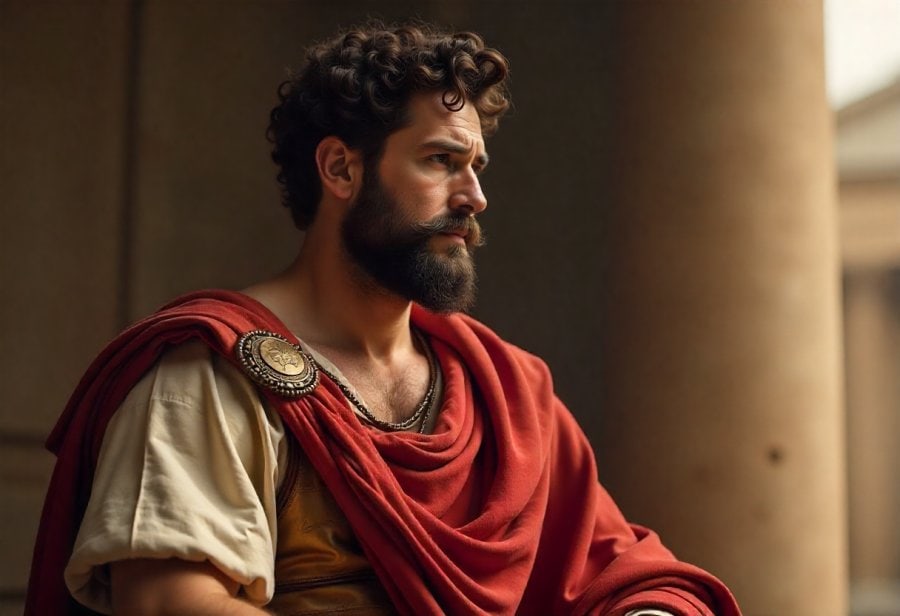
Legacy of Wisdom: How Marcus Aurelius’s Life Continues to Guide Modern Leadership
Marcus Aurelius’s life and writings continue to shape how we view leadership and personal strength today. His *Meditations* offer a timeless guide to those who prioritize inner discipline over external power. Instead of chasing conquest or fame, Marcus emphasized virtues like humility, patience, and moral integrity—qualities that foster genuine influence and lasting respect. Many modern leaders look to his example, understanding that true authority springs from self-mastery and resilience, not from superficial displays of dominance.
His approach encourages calm reflection amid chaos. Marcus believed that emotional regulation and self-control are the foundations of effective leadership. By maintaining composure and acting deliberately, leaders can navigate complex situations with clarity and purpose, gaining trust rather than fleeting admiration. This mindset shifts the focus from reacting impulsively to making thoughtful decisions rooted in virtue, which builds credibility and inspires loyalty over time.
Across history and disciplines, figures—from political leaders to entrepreneurs—have drawn inspiration from Marcus’s Stoic ideals. His emphasis on inner virtues as the basis of influence demonstrates that moral clarity and authentic strength are more sustainable than power based on fear or manipulation. When leaders govern themselves well, their actions become consistent and morally grounded, creating a ripple effect that elevates entire organizations or communities.
Marcus’s writings remind us that leadership is an ongoing journey of self-improvement. His reflections show that mastery over oneself isn’t a fixed achievement but a continuous effort requiring humility and discipline. This idea encourages leaders to invest in personal growth as a vital part of their role, recognizing that a well-disciplined mind is the true source of lasting influence. His example proves that genuine strength comes from within and can withstand external upheavals.
By embodying these virtues, leaders foster cultures built on integrity, patience, and moral clarity. Acting from inner strength, rather than external pressure, ensures decisions are authentic and morally sound. This internal foundation not only sustains influence but also leaves a legacy rooted in wisdom and resilience. Marcus Aurelius’s life exemplifies that the greatest power resides in self-control and moral virtue, shaping a leadership philosophy that endures beyond fleeting trends or superficial success.
 lissyY
  ronT
ronT  antM
antM