
What do ancient Greek heroism and modern comic-book vigilantes reveal about the societies that created them? This exploration compares Odysseus, the cunning king embodying strategic wit, loyalty, and endurance, with Batman, the morally complex hero driven by resilience and moral flexibility. Their stories serve as cultural blueprints, reflecting societal values—Greek virtues of wisdom and loyalty versus contemporary concerns about chaos and ethical ambiguity. As we delve into their strategies, resilience, and moral choices, we uncover how hero archetypes evolve yet remain rooted in universal human aspirations. These narratives not only inspire personal virtues like perseverance and moral clarity but also forge societal identity, shaping collective morals and virtues. Ultimately, Odysseus and Batman epitomize that heroism is about effort, adaptability, and moral strength—an ongoing journey that mirrors our deepest hopes, fears, and ambitions in an ever-changing world.
Quick Navigation
Unveiling Heroic Archetypes: Odysseus and Batman as Cultural Mirrors
Heroic archetypes have fascinated us for centuries, serving as symbols of human aspiration, resilience, and moral strength. These stories mirror the values, fears, and hopes of the societies that craft them, acting as cultural reflections across different eras. From ancient myths to modern comics, heroes embody traits that resonate deeply—traits that reveal what each society admires, fears, or seeks to uphold.
At their core, heroes face challenges that test their courage, intelligence, and morality. These qualities aren’t fixed; they evolve with societal changes. In ancient Greece, heroism often meant demonstrating strength, cleverness, and loyalty—virtues that upheld social order and personal honor. Today, heroism includes moral complexity and resilience, especially when heroes navigate ambiguous ethical landscapes. Comparing figures like Odysseus and Batman shows how these traits adapt to reflect their respective worlds.
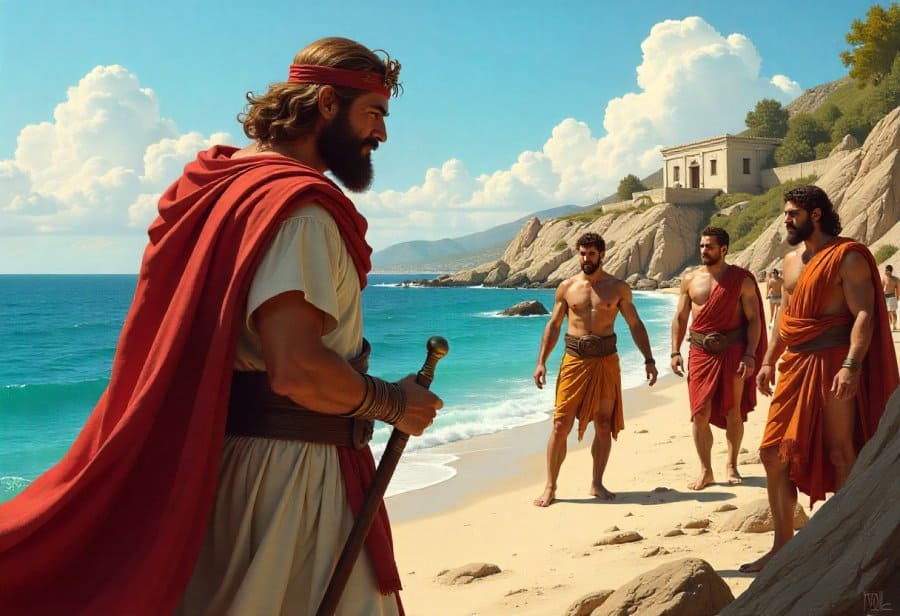
Odysseus, the cunning Greek king, exemplifies the archetype of the clever strategist. His journey is driven by wit, endurance, and loyalty—traits highly valued in his culture. Meanwhile, Batman represents a modern take on heroism—resilient, morally nuanced, and motivated by a deep sense of justice. His story responds to contemporary fears about chaos, crime, and moral ambiguity, illustrating how societal concerns shape hero archetypes.
Understanding these archetypes reveals that hero stories are more than entertainment—they are cultural blueprints. They reveal what societies prioritize, whether it’s wisdom and loyalty or justice and resilience. These stories inspire individuals and unify communities by reinforcing shared virtues. As times change, hero narratives evolve, but their fundamental role remains: to reflect societal hopes and fears through heroic figures.
Exploring hero archetypes across different contexts shows how deeply they are rooted in cultural values. Ancient heroes like Odysseus embody virtues that promote social cohesion—cunning, perseverance, and honor. Modern heroes like Batman highlight the importance of moral flexibility and psychological resilience in a world where chaos and moral gray areas dominate. Both serve as models for navigating adversity, whether in myth or reality.
By examining these archetypes, we gain insight into how societies shape their heroes to embody their ideals. Odysseus’s cleverness and loyalty mirror Greek virtues, emphasizing moral integrity and strategic thinking. Batman’s adaptability and moral nuance reflect modern concerns—highlighting resilience and moral agency in a complex world. Their stories offer a window into the collective psyche, revealing what each society values most in its heroes.
In the end, hero archetypes are more than characters—they are expressions of human ambition and societal identity. They inspire us to face our own challenges with courage, wit, and moral strength. Whether rooted in ancient myth or contemporary fiction, these stories remind us that heroism is a reflection of who we are and who we aspire to become. They serve as enduring guides, encouraging resilience and virtue on our ongoing journey through life.
Foundations of Heroism: Defining Virtues and Evolving Traits
Heroism is a complex and layered idea that captures qualities like bravery, resilience, morality, and strategic thinking. At its core, a hero is someone who confronts challenges head-on, often risking their safety for a greater purpose. These traits aren’t fixed; they evolve depending on the society and the era. In ancient cultures, heroism often meant demonstrating strength, cunning, and loyalty—virtues that upheld social order and personal honor. Today, heroism also includes moral complexity and resilience in the face of difficult ethical choices, as seen in modern heroes like Batman.
Bravery and resilience stand out as the most recognizable traits of heroism. They describe a hero’s capacity to face danger, endure hardships, and keep moving forward despite setbacks. Strategic thinking is equally vital, as heroes often need to outsmart enemies or navigate tricky situations. Morality acts as a moral compass, guiding their actions—whether it’s loyalty to loved ones or a sense of justice. These qualities combine to create characters who inspire others and embody the virtues most valued by their cultures.
Odysseus exemplifies these core values vividly. His legendary cunning and strategic mind highlight the Greek admiration for wit and resourcefulness. His loyalty to his crew and homeland reflects the importance placed on social bonds and honor. Perseverance through endless hardships illustrates the Greek ideal that true heroism involves both mental and moral resilience. These qualities aren’t just about physical strength—they’re about wisdom, loyalty, and unwavering resolve, which mirror Greek cultural ideals emphasizing intelligence and virtue.
In contrast, Batman’s creation was shaped by modern fears—crime, chaos, and moral ambiguity. His story reflects a society deeply concerned about moral decay and the limits of law enforcement. Batman’s resilience manifests in psychological endurance—persisting despite personal loss and ethical dilemmas. His moral code is more flexible, often walking a fine line between right and wrong to protect Gotham. This flexibility shows a society grappling with complex issues where black-and-white morality no longer fits, emphasizing resilience, adaptability, and moral nuance.
Overall, hero archetypes are more than just characters in stories—they serve as cultural blueprints. They reveal what societies prioritize: whether it’s ancient Greek virtues of wisdom and loyalty or modern concerns about justice and moral complexity. Recognizing these qualities helps us understand how different cultures define virtue and what they see as essential traits in their heroes. These traits guide individuals and communities alike, inspiring virtues like resilience, morality, and strategic thinking that continue to shape our ideas of heroism across generations.

Contrasting Legends: Strategy, Resilience, and Morality of Odysseus and Batman
Odysseus and Batman exemplify the importance of intelligence and strategic thinking in heroism, yet their approaches reveal the values and concerns of their respective societies. Odysseus’s legendary wit is famously demonstrated through clever tricks like the Trojan Horse, a deception that turned the tide of war. His ability to outsmart enemies and navigate treacherous situations highlights Greek admiration for cunning as a heroic virtue, emphasizing mental agility alongside strength. Conversely, Batman’s intelligence manifests in his mastery of technology, detective skills, and quick improvisation. He stays a step ahead of Gotham’s villains by leveraging gadgets and psychological insight, illustrating how adaptability and sharp thinking are central to modern heroism.
Resilience is a defining trait for both heroes, but their forms differ. Odysseus’s perseverance through endless hardships—stormy seas, monsters, and temptations—embodies the Greek ideal that true heroism involves unwavering endurance. His journey underscores mental and moral resilience, showcasing persistence as a virtue worth cultivating. Batman’s resilience is primarily psychological; he endures personal loss and ethical dilemmas, maintaining his mission despite emotional and physical setbacks. His ability to withstand moral ambiguity and personal grief keeps him committed to justice, reflecting a society that values emotional endurance and moral flexibility.
Morality shapes their actions in ways that reveal societal priorities. Odysseus’s decisions are guided by loyalty, honor, and duty to family and homeland. His morally gray choices—deceiving friends and foes alike—are accepted within his cultural context, where social bonds and reputation are paramount. Batman’s morality, however, is more fluid; he often walks a fine line between right and wrong to protect Gotham. His methods are ethically ambiguous—using fear and bending rules—but serve a higher purpose. These differences mirror the shift from collective honor in ancient Greece to individual moral complexity in modern society.
The strategies employed by each hero further reflect their cultural environments. Odysseus’s plans depend on wit, disguise, and understanding human nature, emphasizing the value of cleverness and social insight. His moral code underscores loyalty and resourcefulness as essential virtues. Batman’s tactics are high-tech and psychological—relying on gadgets, surveillance, and fear—highlighting the importance of innovation and understanding the environment. Whether on the battlefield of Troy or in Gotham’s shadows, both heroes demonstrate that strategic thinking is crucial for overcoming complex challenges.
Their stories also reveal contrasting ideas about heroism’s purpose. Odysseus’s journey focuses on returning home and restoring personal honor, embodying virtues that reinforce social cohesion and legacy. Batman’s mission is broader—aimed at societal protection and order—showing a hero driven by a sense of justice that extends beyond individual reputation. These differing aims reflect how each society’s values inform their hero archetypes, from the Greek emphasis on virtue and loyalty to the modern focus on resilience and moral agency.
Ultimately, Odysseus and Batman serve as mirrors for their cultures’ fears and aspirations. They demonstrate that heroism involves more than physical strength; it’s about strategic thinking, resilience, and moral nuance. Their stories inspire us to develop these qualities in ourselves, emphasizing that heroism is a dynamic, ongoing pursuit shaped by societal values and human ambition. In their contrasting yet interconnected ways, they remind us that true heroism is rooted in the strength to adapt, persevere, and act with moral clarity amid chaos.
Understanding these cultural influences can deepen our appreciation of their stories and the enduring appeal of their heroism. For a more in-depth exploration of how ancient Greek values are reflected in Odysseus’s character, you can read a detailed comparative analysis of odysseus and batman’s heroism traits.
Impact of Hero Archetypes: Shaping Society and Personal Identity
Hero archetypes extend their influence far beyond the realm of stories, shaping societal values and personal identities in subtle yet powerful ways. These narratives act as mirrors of collective beliefs, reinforcing virtues like resilience, loyalty, and justice that communities hold dear. When we see heroes overcoming obstacles through cleverness or perseverance, it encourages us to develop similar traits in our own lives—whether facing personal setbacks or working to strengthen our communities. These stories inspire resilience not just as endurance, but as a vital component of growth and moral strength.
On a societal level, hero stories foster a shared sense of identity. They provide symbols that embody core virtues, helping to forge social cohesion by reminding us of what we collectively aspire to. As societal fears and hopes evolve, so do these narratives, reflecting shifting priorities while still motivating and uniting people around common ideals. Heroes serve as cultural touchstones, offering reassurance and a blueprint for how to confront adversity with courage and integrity.
Furthermore, hero narratives function as moral lessons, illustrating the importance of virtues like loyalty, bravery, and adaptability. They show that true heroism often involves making tough choices and navigating complex moral gray areas rather than simply showcasing physical bravery. In a world that grows increasingly complicated, these stories help us understand that morality isn’t black and white but layered with nuance. They encourage us to cultivate resilience and moral clarity, qualities essential for tackling today’s ethical dilemmas.
Engaging with hero archetypes also prompts us to reflect personally. We might identify which traits resonate most—be it strategic thinking, perseverance, or moral integrity—and consider how to embody these qualities. In doing so, these stories motivate us to become better versions of ourselves, fostering a mindset rooted in resilience and virtue that can ripple outward into our communities. This internalization helps reinforce the societal importance of heroism as an ongoing journey of moral and personal development.
Despite the vastly different worlds of Odysseus and Batman, their stories reveal universal themes that continue to resonate. They show us that heroism isn’t about perfection but about effort—facing chaos with courage, making morally complex decisions, and persisting despite setbacks. These archetypes serve as enduring symbols of human ambition and resilience, reminding us that heroism is a dynamic process rooted in our collective desire to confront adversity and strive for a better future.
In the end, hero archetypes shape not only individual lives but also the moral fabric of society. They motivate collective effort, inspire personal growth, and foster shared virtues that help communities thrive amid challenges. By internalizing these stories and their lessons, we carry forward a tradition of resilience and moral strength—values that continue to define who we are and who we aspire to become in an ever-changing world.
Lessons from Heroes: Embracing Resilience, Virtue, and Moral Complexity
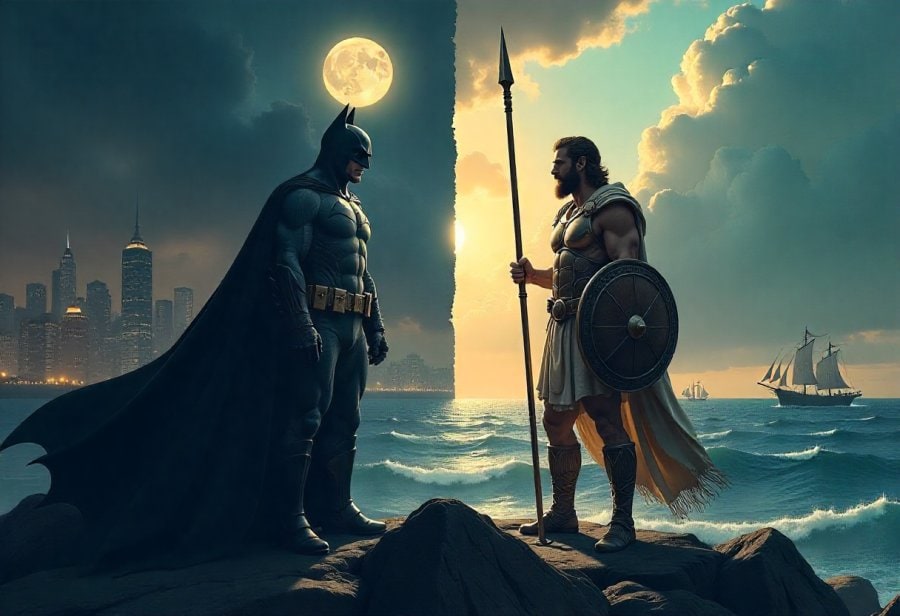
Heroes like Odysseus and Batman remind us that heroism mirrors the deepest values, fears, and hopes of their societies. Their stories endure because they embody universal qualities—resilience, strategic thinking, and moral complexity—that resonate across generations. Whether facing physical dangers or moral dilemmas, these heroes show that perseverance and integrity are essential for overcoming adversity. Their narratives serve as blueprints for our own lives, inspiring us to develop inner strength and moral clarity amid chaos.
By examining these archetypes, we see how deeply they are shaped by cultural context. Odysseus, grounded in ancient Greek ideals, emphasizes wisdom, loyalty, and endurance—traits that reinforced social bonds and moral virtue during turbulent times. Batman, molded by modern concerns, highlights resilience, moral flexibility, and justice in a world riddled with chaos and moral ambiguity. Both serve as reflections of their societies’ hopes and fears, guiding individuals to embody virtues that foster personal growth and community stability.
Hero stories teach that heroism isn’t about perfection but about effort—facing challenges with courage, making morally complex decisions, and persisting despite setbacks. Odysseus’s cleverness and unwavering loyalty show that resilience and strategic thinking are just as vital as physical strength. Batman’s navigation of ethical gray areas underscores the importance of moral agility and emotional endurance. Their journeys remind us that true heroism involves ongoing effort, adaptability, and a commitment to higher ideals.
These archetypes shape more than individual identities—they influence the moral fabric of society. They inspire collective effort, reinforce shared virtues, and motivate communities to face difficulties together. Internalizing their lessons encourages personal growth rooted in resilience and virtue, fostering a culture that values perseverance and moral strength. In a world that continues to evolve, these stories remain vital, offering guidance and hope.
In the end, Odysseus and Batman exemplify that heroism is a reflection of human ambition and resilience. Their stories challenge us to confront chaos with courage, make morally nuanced choices, and persist in the pursuit of a better future. By embracing these timeless lessons, we carry forward a tradition of moral clarity and inner strength—values that help us navigate not only personal struggles but also societal challenges. Their enduring influence reminds us that heroism is an ongoing journey, rooted in our collective desire to grow, adapt, and strive for a more resilient world.
 yvieN
yvieN  ronT
ronT  antM
antM